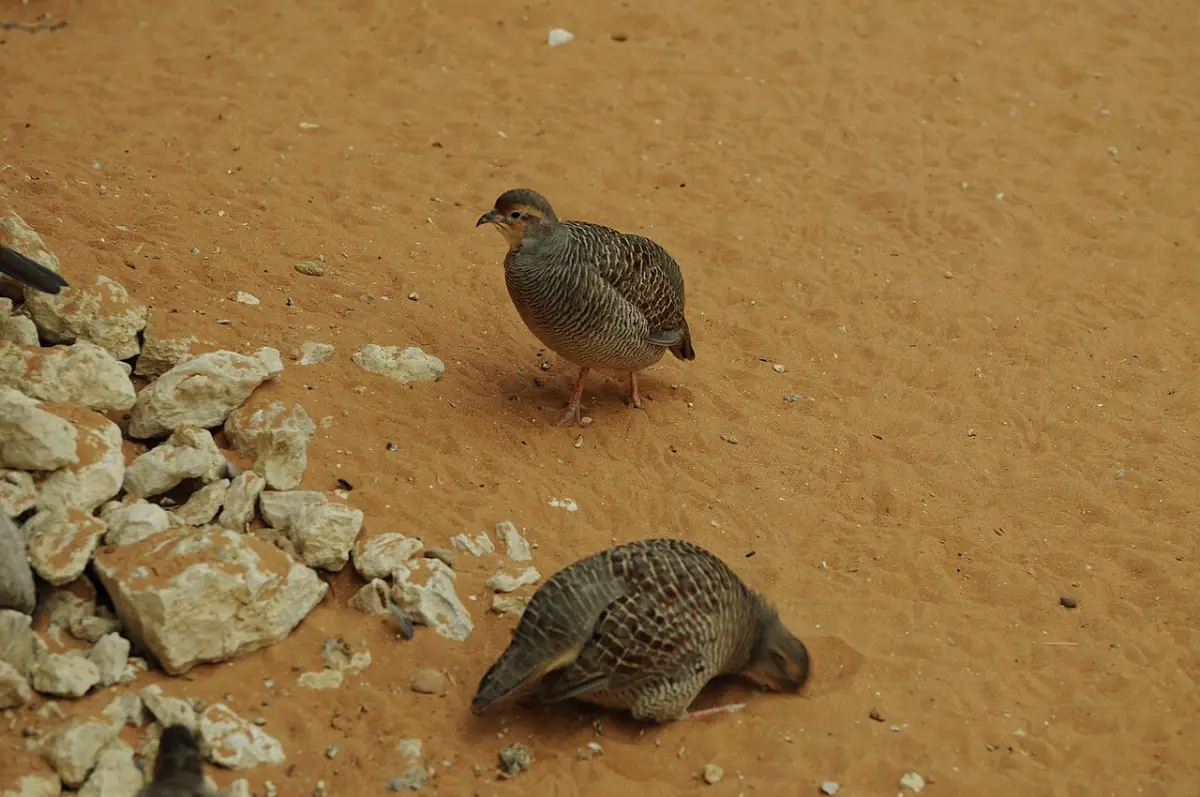
I get some version of “wait, is this even legal?” in my inbox more than any other question, usually from someone who already has a brooder plugged in and eggs on the way. So let’s answer it properly: whether quail are legal in your city depends on three separate rulebooks, and most guides online only check one of them.
Here’s the short version. Your state’s wildlife agency decides whether you need a game bird permit. Your city or county zoning code decides whether backyard poultry is allowed on your lot at all. Your HOA, if you have one, can ban quail outright even if the first two say yes. You have to clear all three, not just the one that’s easiest to Google.
Why your state’s game law probably doesn’t apply to your birds
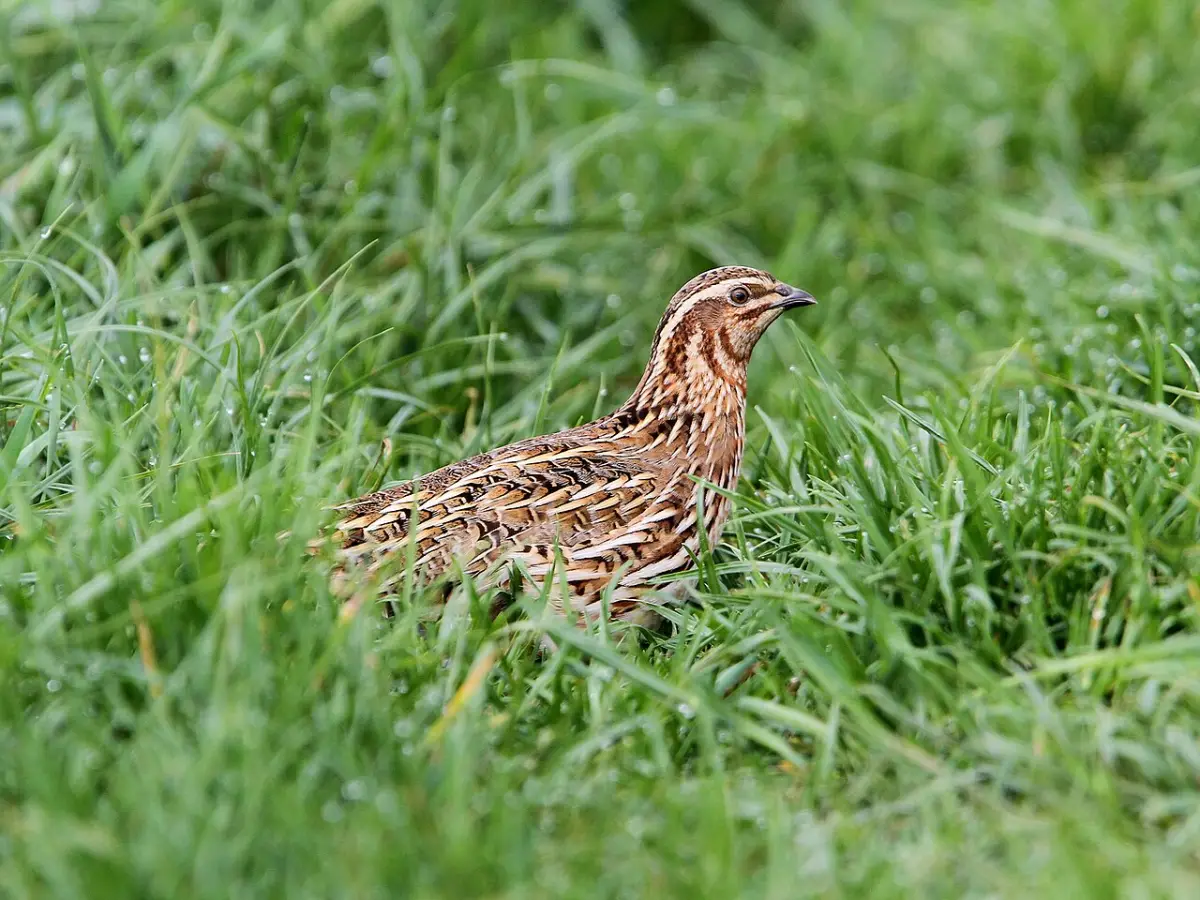
This is the part almost every backyard-quail article gets muddy, so I want to be specific about it. Most state wildlife permits for quail are written for native, wild game species, things like bobwhite quail, mountain quail, or Gambel’s quail that actually live in that state’s woods and fields. The coturnix quail most of us keep for eggs (also called Japanese quail) isn’t native anywhere in North America. It’s a domesticated bird that’s been raised in captivity for around a thousand years, closer in legal terms to a parakeet than to a wild bobwhite.
That distinction shows up directly in the rules I checked. Maryland’s Game Husbandry License covers “native game bird species” by name, bobwhite quail, ring-necked pheasant, wild turkey, ruffed grouse, and regulated waterfowl, and coturnix isn’t on that list. Oregon’s game bird propagation rule (OAR 635-044) spells out permit requirements for several bird families and then adds one line: “Permit is NOT needed for Coturnix japonica (Japanese quail).” California is the clearest example. Its Domesticated Game Breeder’s License applies to species that “normally exist in the wild” in the state, meaning its three native quail (mountain, California, and Gambel’s). California Fish and Wildlife has said outright that because coturnix don’t exist in the wild there, the department “does not manage the species as a game bird” at all.
Is it legal in your state? Four real examples
I picked four states where I could verify the rule directly from the state agency instead of a forum post. Your state may land anywhere on this spectrum, so use this as a “here’s what to look for,” not a substitute for checking your own.
| State | Native wild quail | Coturnix (Japanese) quail | Source |
|---|---|---|---|
| California | Domesticated Game Breeder’s License required | Not managed as a game bird, no license needed | California Dept. of Fish and Wildlife |
| Oregon | Propagation license required for sale | Explicitly exempt by name in the rule | Oregon Dept. of Fish and Wildlife |
| Maryland | Game Husbandry License required | Not listed, not covered by the permit | Maryland Dept. of Natural Resources |
| Indiana | Game breeder’s license required for bobwhite | Explicitly exempt by name, no license needed | Indiana DNR |
Even in the friendliest states on that list, a state exemption only clears the wildlife-law hurdle. It says nothing about whether your city allows poultry-type animals on a residential lot, which is the question that actually kills most backyard setups.
Checking your city or county zoning code
Your municipal code is where most quail keepers actually run into trouble, and it’s the layer state-focused articles skip entirely. Start with your city or county’s website and look for “municipal code,” “code of ordinances,” or “zoning ordinance.” Search that document for “poultry,” “fowl,” or “livestock,” since almost no code mentions quail by name. If your property is zoned agricultural or rural residential, you’re usually fine. Standard single-family residential zoning is where it gets specific: some cities cap the number of birds, some require a minimum lot size, some ban roosters and crowing birds outright (which, worth noting, does not include female coturnix, since only males make real noise), and some require a permit or a minimum setback from property lines.
If the code is unclear or you can’t find poultry mentioned anywhere, call the zoning or code enforcement office directly and ask a specific question: “Am I allowed to keep a small number of quail at [your address]?” Vague questions get vague answers. A specific address and bird count usually gets you a real one, sometimes in writing if you ask for an email confirmation.
What your HOA can override, and what it can’t
If you’re in an HOA, this is the layer that actually decides things most of the time. HOA governing documents are private contracts, and they’re allowed to be more restrictive than city law. If your city permits backyard poultry but your HOA’s covenants ban “livestock” or “farm animals,” the HOA rule controls on your property. Pull your CC&Rs (they’re usually in your closing paperwork or available from the management company) and search for “livestock,” “poultry,” “animals,” or “pets,” since quail sometimes slip through if the document only names dogs and cats. Some states have passed laws limiting HOA authority over specific animals like solar panels or clotheslines, but backyard poultry protections are far less common, so don’t assume a state right-to-farm law overrides your HOA without checking.
The noise and nuisance question
Even where quail are technically allowed, a neighbor’s nuisance complaint can still cause you headaches. Female coturnix are genuinely quiet, closer to a soft chirp than anything that carries. Males crow, and a crowing male is audible well beyond your yard, similar in character to a much smaller rooster. If you’re on a small suburban lot with neighbors close by, keeping female-only groups or capping your rooster count sidesteps most complaints before they start. Odor and cleanliness matter here too. A small, well-managed cage produces far less smell than people expect, but a neglected one is exactly the kind of thing that generates a call to code enforcement, permit or no permit.
What to do if the answer is no
If your city or HOA says no, you have more options than giving up on quail entirely. Some keepers move enclosures indoors, in a garage, shed, or basement, since indoor animals often fall outside outdoor-livestock ordinances (check that assumption too, some codes cover “animals kept on the premises” regardless of location). Others petition their HOA board directly, since boards can grant variances or amend covenants, especially for a quiet, low-visibility setup with photos to show what it actually looks like. If neither works, a quick search for your state’s “right to farm” law is worth doing, though most of these protect agricultural zones rather than standard residential lots.
The quick answers
So, are quail legal in your city? For coturnix specifically, usually yes at the state level, and the real answer comes down to your local zoning code and your HOA.
State wildlife permits for quail are usually written for native species like bobwhite, not domesticated coturnix.
California, Oregon, Maryland, and Indiana all exempt coturnix (Japanese) quail from their state game bird permits.
City and county zoning codes, not state wildlife law, are where most backyard quail setups actually get blocked.
HOA covenants can ban quail even in cities where the zoning code allows backyard poultry.
Female coturnix are quiet; male coturnix crow audibly and are the more common source of neighbor complaints.
Always confirm the current rule with your own city, county, and HOA directly, since codes change and this isn’t legal advice.
If you’ve cleared the paperwork and you’re ready to actually set up a cage, how to raise coturnix quail walks through the basics, and raising quail in the city digs deeper into small-lot and apartment setups specifically. For sizing your flock before you talk to the zoning office, how many quail should you start with will give you a realistic number to put in that email.