I burned through three different beddings in my first year of keeping quail before I figured out there isn’t one answer to the best bedding for quail question. There’s a best bedding for your setup, your climate, and how often you’re willing to clean. I’ve used straight sand, cheap pine shavings, and hemp hurd in the same stack of cages, sometimes in the same month, and I can tell you exactly where each one falls apart.
This is the short version of a year of trial and error, so you don’t have to buy four kinds of bedding to find out what I already know.
What quail bedding actually has to do
Before comparing materials, it helps to know what the job actually is. Good quail bedding needs to do four things at once: soak up moisture from droppings and spilled water, keep ammonia smell down, stay dry enough that your birds’ feet and feathers stay clean, and not hurt the birds if they peck at it (and they will peck at it).
Miss any one of those and you’ll know within a week. Wet bedding smells like ammonia by day three. Dusty bedding leaves your quail sneezing and your cage covered in a fine film. And bedding that clumps in a crop can genuinely kill a bird, which is why the material you’d use for a pet hamster isn’t automatically safe for quail.
Sand: great for dust baths, bad as the only bedding
Sand is the material new keepers reach for first because it looks clean and it’s cheap at any hardware store. In practice, sand alone as cage-floor bedding is a mistake. It doesn’t absorb liquid, so wet droppings just sit on top and turn the surface into a paste. In a brooder or a cage with a solid floor, that paste gets tracked everywhere and dries into a crust that’s a pain to scrape off.
Where sand earns its place is the dust bath, not the cage floor. Quail dust bathe daily if you let them, working loose material through their feathers to strip excess oil and smother mites. Skip the dust bath and you’ll see it in their feather condition within a month.
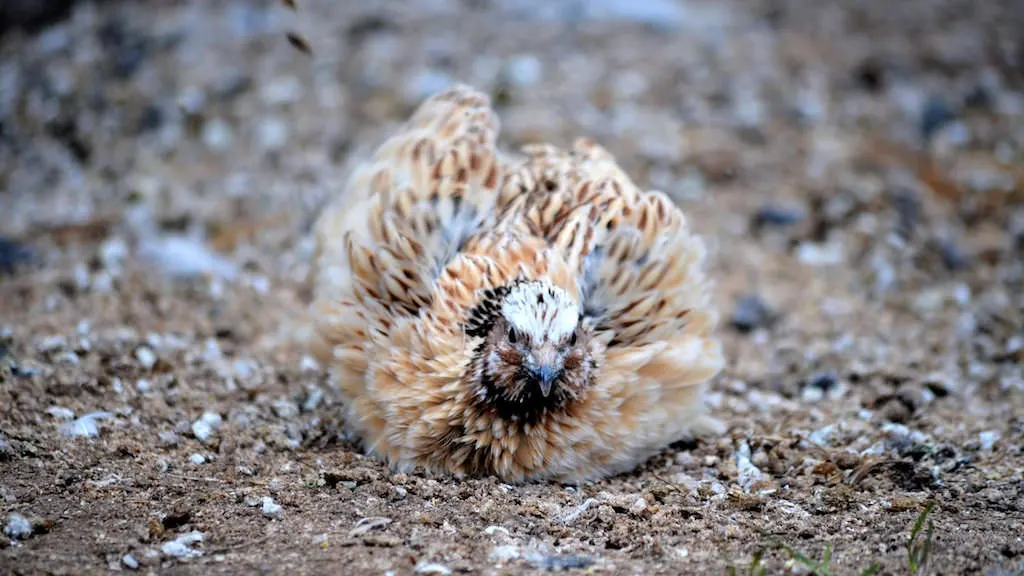
 For dust bath minerals I add a scoop of zeolite refresher to the sand, which cuts ammonia smell between full sand changes and gives the birds calcium-rich grit as a side benefit.
Pine shavings: the reliable baseline
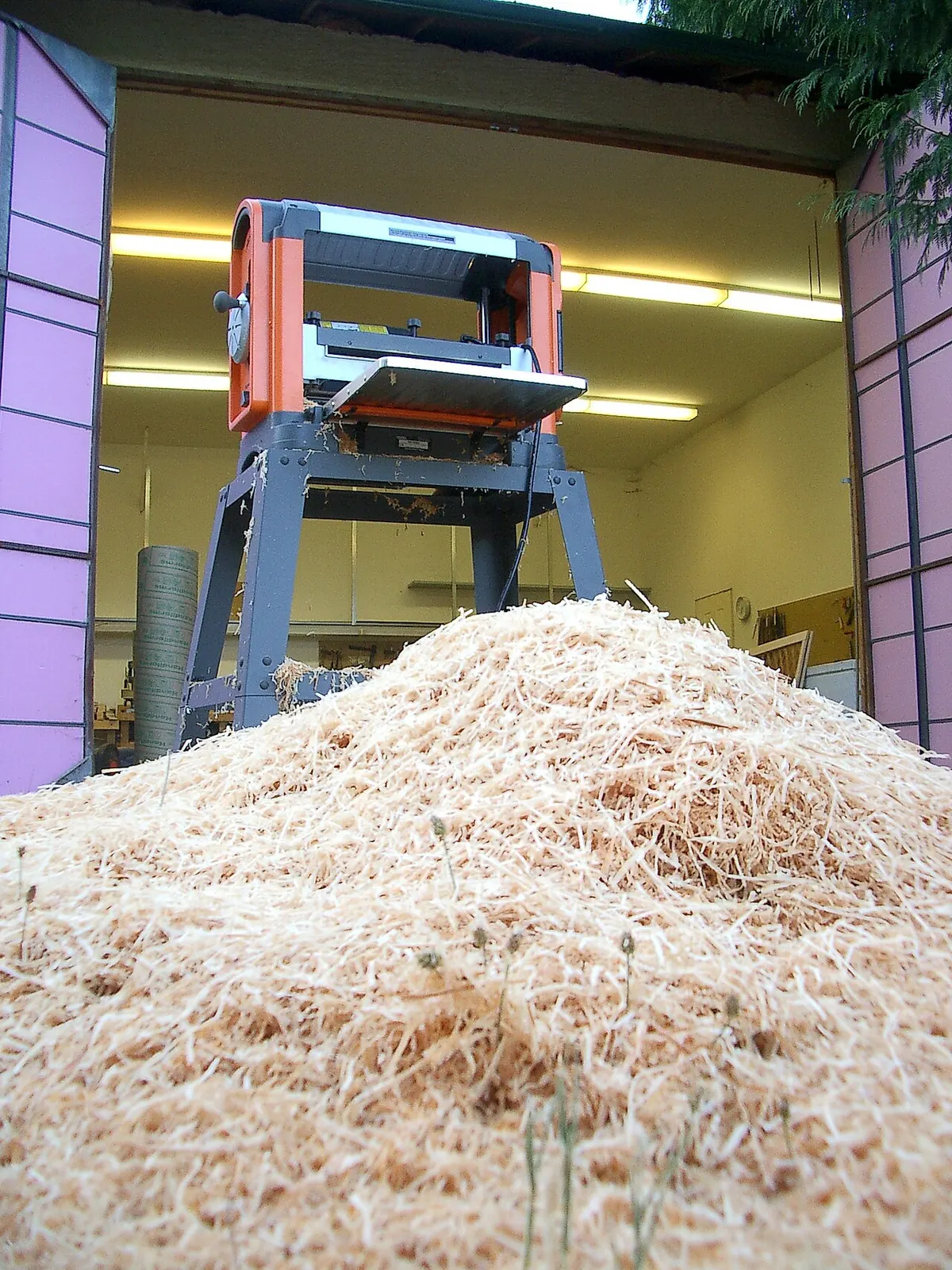
Pine shavings are what most feed stores stock, and for good reason. Kiln-dried pine (make sure the bag says kiln-dried, not green or air-dried) has the aromatic phenols cooked out, so it’s safe in a ventilated coop, absorbs decently, and keeps a cage floor dry for 4 to 7 days under a small group of birds before it needs a full change.
The downside is size. Fine pine shavings track everywhere and coat everything in dust when you fluff the bag. Large flake shavings solve the dust problem but young quail chicks will sometimes peck and eat the bigger flakes, which is a real risk in a brooder. For chicks under three weeks, I skip pine shavings entirely and use paper towel or a fine pine pellet litter that expands into sawdust texture once wet.
 For adult cages, a mid-size kiln-dried pine shaving strikes the right balance between absorbency and dust. I keep a bag of this on hand as the default floor bedding in every grow-out cage.
Hemp bedding: the best all-around option, if you can find it
Hemp hurd bedding is the one I keep coming back to for indoor and garage setups. It’s more absorbent than pine, close to dust-free, and it does a noticeably better job holding down ammonia smell between cleanings. I’ve stretched a hemp change to 10 days in a two-bird cage with no smell at nose level, something I’ve never managed with pine.
The catch is availability and price. Hemp bedding costs roughly two to three times what pine shavings cost per pound, and it isn’t stocked at every feed store, so you’re often ordering it online. If you’re keeping a small number of birds indoors where smell matters more than it would in an outdoor hutch, the extra cost is worth it. If you’re running a dozen cages in a barn, the price difference adds up fast.
 This is the hemp hurd I use in my indoor grow-out cages. It's noticeably lower dust than any pine shaving I've tried, which matters if the cages are in a room you actually spend time in.
Best bedding for quail: the side-by-side comparison
| Material | Absorbency | Dust level | Odor control | Cost per month (2 to 4 birds) | Safe if pecked/eaten |
|---|---|---|---|---|---|
| Sand (alone) | Poor | Low | Poor | $3 to $5 | Yes, in small amounts |
| Pine shavings, kiln-dried | Good | Medium | Good | $6 to $10 | Yes, avoid large flakes for chicks |
| Hemp hurd | Excellent | Very low | Excellent | $12 to $18 | Yes |
| Sand, dust bath only | Poor as floor bedding | Low | Poor | $2 to $4 (topped off, not fully changed) | Use construction sand, not play sand |
Cost estimates are based on a two-cage setup with four to six adult birds and a weekly to 10-day change cycle, priced from typical feed store and online rates as of mid-2026. Your numbers will move with local pricing and how often you actually change the bedding, which matters more than which material you pick.
The setup I actually run
Right now every cage in my rack gets pine shavings on the floor and a rotating sand pan for dust baths, with hemp reserved for the two cages in my spare room where smell control matters more than cost. That combination covers absorbency, cost, and the birds’ need to dust bathe without me buying three different products for every cage.
If you’re just getting your quail cage setup together for the first time, I’d start with pine and a sand pan. It’s the cheapest way to learn your birds’ habits before you commit to a pricier bedding you might not need. Once you know how often you’re actually cleaning, upgrading a cage or two to hemp is an easy call.
Do quail eat their bedding, and should you worry?
Some, yes. Quail peck at almost everything in their cage out of curiosity, bedding included. Fine pine shavings and hemp hurd pass through without issue in the small amounts a bird incidentally swallows while foraging. The real risk is large pine flakes and clumping play sand, both of which can contribute to a crop impaction if a bird eats enough of it. Stick to fine, non-clumping materials and this isn’t something you need to lose sleep over.
The quick answers
Pine shavings are the cheapest reliable floor bedding for quail, running $6 to $10 a month for a small setup.
Hemp hurd bedding controls odor and dust better than pine but costs roughly two to three times as much.
Sand should never be the only bedding in a cage. It doesn’t absorb moisture and turns to paste under wet droppings.
Quail need a dedicated dust bath of coarse construction sand, not play sand, refreshed weekly.
Kiln-dried pine shavings are safe for quail; green or air-dried pine is not, because it retains aromatic oils.
Large pine flakes and fine play sand are the two bedding-related choking or crop-impaction risks worth avoiding.
Mississippi State University Extension’s poultry litter management guide backs this up from the commercial side: pine shavings remain the most widely used bedding material because of their absorbency and availability, and keeping litter dry is the single biggest factor in ammonia control. Virginia Tech Extension’s rundown on environmental enrichment makes the same point about dust bathing from the welfare side: birds are highly motivated to perform the behavior, and providing it improves feather condition and reduces stress regardless of what floor bedding you choose.
For more on getting the rest of the setup right before your birds arrive, my quail cage setup checklist and best quail cages guide cover the equipment side, and my real numbers on the cost of raising quail post breaks down where bedding fits into the bigger monthly budget.