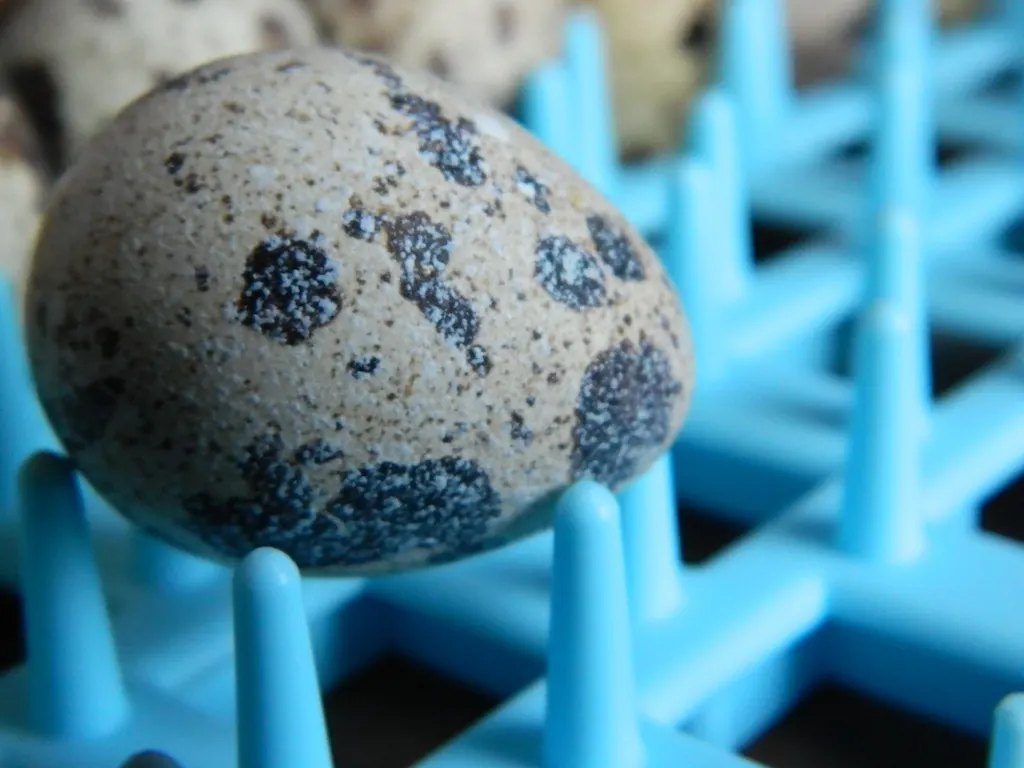
My first incubator cost less than a bag of feed. It also cooked half a batch of eggs because the thermostat swung four degrees every time my furnace kicked on. So when people ask me if a budget quail incubator can actually work, my answer is yes, but only if you know which corners the manufacturer cut and how to work around them. Under $100 there are exactly three machines I’d put coturnix eggs in, and one famous name I’d now skip on price alone.
If you want the full field including the $150 and up machines, I ranked everything in my best quail egg incubators roundup. This article is just the cheap seats: what works under $100, what fails, and the one habit that decides your hatch rate more than the machine does.
What do you actually give up under $100?
Cheap incubators all cut the same three corners, so you should know what you’re signing up for.
First, thermostat precision. A budget thermostat can drift or swing a degree or two around its set point. Coturnix are forgiving compared to most poultry, but the Mississippi State Extension incubation guide lists steady temperature as the single most important factor in any hatch, and they’re right. See their important incubation factors page for the full list.
Second, humidity control. Under $100 you get either a humidity display with manual water topping, or no display at all and you’re guessing. You will not get automatic humidity pumps at this price.
Third, build life. These are plastic tubs with small fans. Treat a sub-$40 unit as a machine you’ll replace after a few seasons of regular use, not a decade appliance.
None of that stops a good hatch. It just moves the responsibility from the machine to you.
Which budget quail incubator should you buy?
Three picks, in order of how I’d rank them for coturnix eggs.
The best under $100: MATICOOPX 30
This is the one I’d hand a beginner. It holds temperature at 99.5°F, shows humidity on the display, has an external water port so you don’t dump your heat every time you top up, and the turner stops automatically three days before hatch. Owners report hatch rates in the 90 percent range on full trays, which is strong for this price class. One caveat from the review threads: some units read a degree or so off, and one owner had to bump his set point up 1.5°F after checking with a separate thermometer. That’s normal for this class. Verify, adjust, move on.
 MATICOOPX 30 Egg Incubator. Humidity display, built-in candler, external water refill, and a turner that auto-stops before lockdown. It is the most machine you can get at the budget end.
The smaller version: MATICOOPX 20
Same feature set, smaller tub. If you’re hatching for a backyard covey of 6 to 10 birds rather than a meat pipeline, the 20 makes sense and usually costs less than the 30. Everything I said above about calibration applies here too.
 MATICOOPX 20 Egg Incubator. The same humidity display and candler in a smaller footprint. Right-sized for hobby hatches where 30 chicks at once would be a problem, not a win.
The absolute cheapest that works: OBI-12
The OBI-12 is a dozen-egg tub at the very bottom of the price range. It has automatic turning every 90 minutes, digital temperature control, and humidity control, and not much else. Think of it as the minimum viable incubator: a cheap way to find out whether you enjoy hatching before you commit real money.
Be honest with yourself about the trade. In one long forum thread a keeper ran about 45 quail eggs through one across two batches and hatched 6. That wasn’t the machine alone, humidity guessing did most of the damage, but it shows the floor when you fly blind. If you buy this one, buy a separate thermometer-hygrometer the same day to double-check it.
 OBI-12 Egg Incubator. Holds a dozen chicken eggs, more quail, with automatic turning every 90 minutes and humidity control. The cheapest machine worth putting eggs in, and still worth pairing with a separate hygrometer to check its reading.
What about the Kebonnixs 12?
For years the Kebonnixs 12 was the default budget answer, and it was a good machine: humidity display, candler, external water fill. The original listing is no longer available on Amazon, so it is off this list. The MATICOOPX 30 above covers the same ground.
How do the three compare side by side?
| Model | Typical price | Capacity (chicken eggs) | Humidity display | Auto turner | Built-in candler |
|---|---|---|---|---|---|
| MATICOOPX 30 | $109.99 (save $15.00, 12%) as of Oct 11, 2026 | 30 | Yes | Yes, auto-stops for lockdown | Yes |
| MATICOOPX 20 | Under the 30, varies | 20 | Yes | Yes, auto-stops for lockdown | Yes |
| OBI-12 | Lowest in this list | 12 | Yes | Yes | No |
Quail eggs are much smaller than chicken eggs, so real-world quail capacity runs higher than the chicken number on the box. Check the tray and rail spacing before you load; tiny eggs can sit loose in rails sized for chicken eggs.
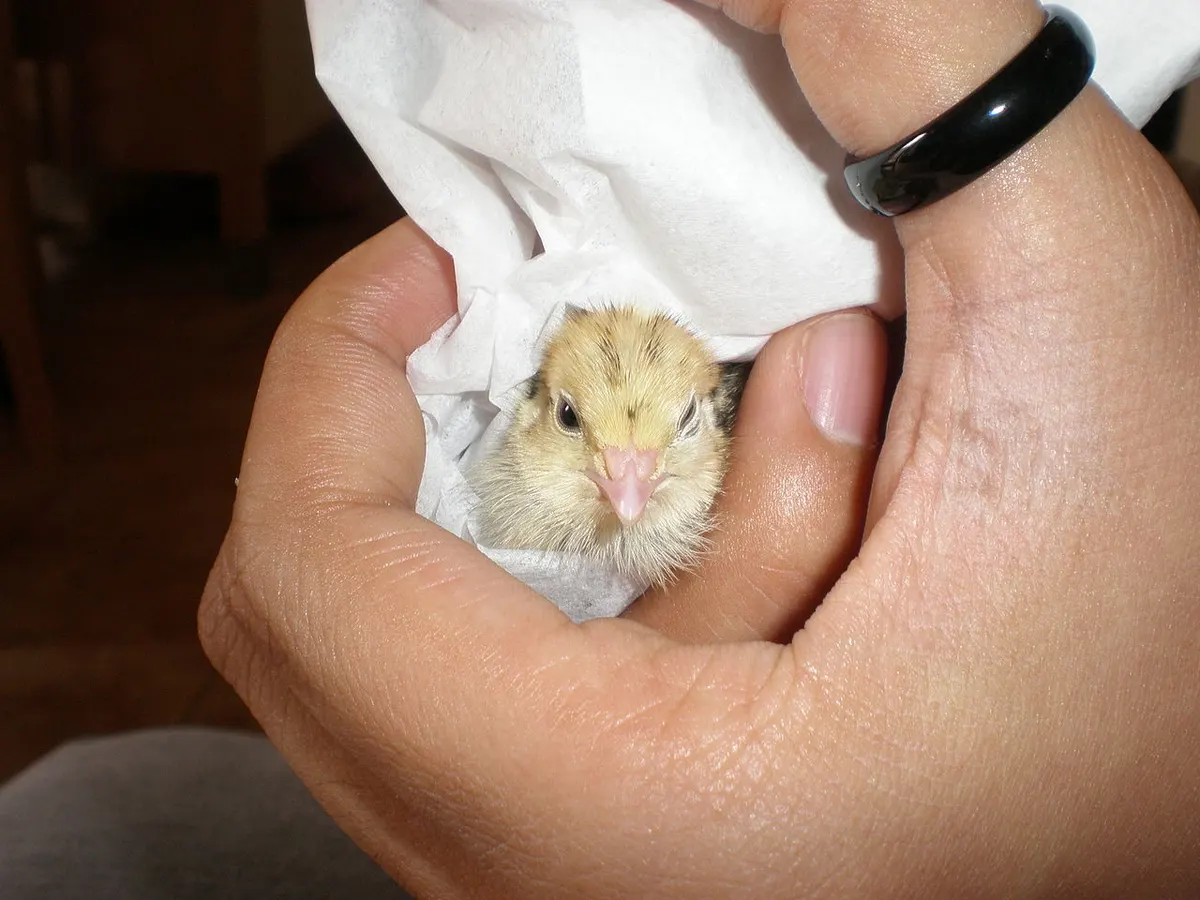
Can a cheap incubator really hatch quail eggs?
Yes, and the fix for every budget machine’s weakness costs about $12: a separate digital thermometer-hygrometer placed at egg level inside the tub.
Run the incubator empty for 24 to 48 hours in a draft-free room before any eggs go in. Compare the built-in display against your independent thermometer. If the machine reads 99.5°F but your probe says 98°F at egg level, adjust the set point until the probe reads right and ignore the factory display forever after. This one habit is the difference between the 90 percent hatches and the horror stories in the one-star reviews. Same machine, different operator.
What settings do quail eggs need?
Coturnix eggs want 99.5°F in a forced-air incubator, which all three picks are. Humidity around 45 to 55 percent for days 1 through 14, then bump to 65 percent or higher for lockdown. Coturnix hatch on day 17 or 18. Stop the turner and stop opening the lid from day 14 on. If your machine has no humidity display, that’s your cue to add the hygrometer before the eggs, not after a bad hatch.
Brief dips happen. Coturnix embryos tolerate short excursions between 97 and 102°F better than most species, which is exactly why they’re the right bird to learn on with cheap equipment. Long stretches outside that band are what kill hatches.
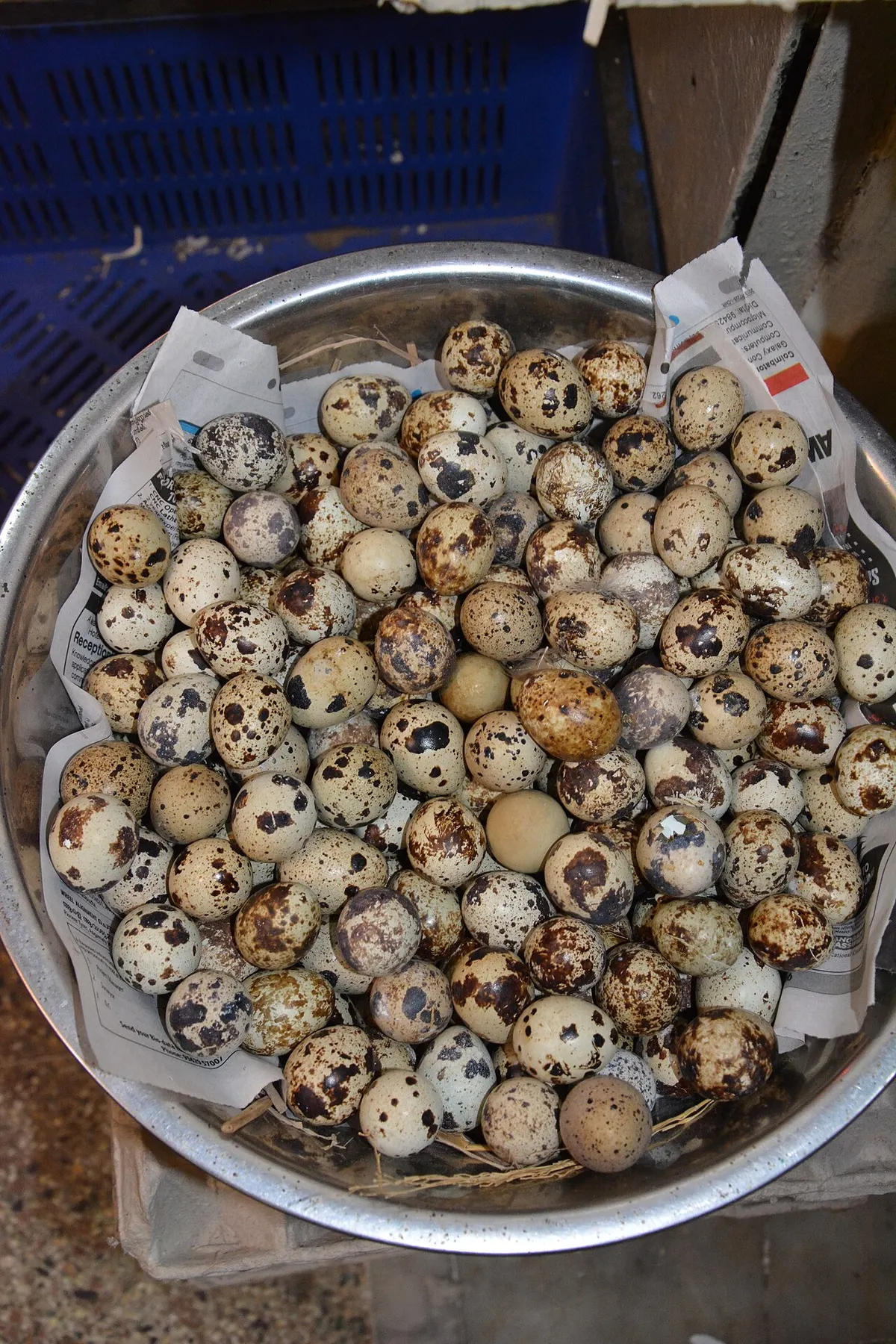
When should you spend more than $100?
Two situations. First, if you’re hatching on a schedule, selling chicks, or restocking a meat pen, step up to a Nurture Right 360. It holds 34 quail eggs on the stock tray, and aftermarket quail rails push that to 48 or more. I priced out that math in my cost of raising quail breakdown, and the upgrade pays for itself fast once you’re hatching monthly.
Second, if you’ve already lost a batch to humidity guessing and hated the stress, pay for better instrumentation. A machine that shows you humidity at a glance is worth $40 more than one that makes you guess, every single time.
If you’re still deciding whether to hatch at all versus buying started birds, my how to raise coturnix quail guide covers that fork in the road, and how many quail you should start with will tell you what size hatch to aim for in the first place.
The quick answers
- The best budget quail incubator under $100 is the MATICOOPX 30: humidity display, built-in candler, external water refill, and reported hatch rates around 90 percent.
- The cheapest workable incubator for quail is the OBI-12, a dozen-egg tub with auto turning and humidity control. Add a separate hygrometer to double-check it.
- Coturnix quail eggs incubate at 99.5°F in a forced-air incubator and hatch in 17 to 18 days.
- Run humidity at 45 to 55 percent for days 1 to 14, then raise it to 65 percent or more for lockdown on day 14.
- Always verify a budget incubator with an independent thermometer at egg level for 24 to 48 hours before setting eggs; factory displays commonly read 1 to 2 degrees off.
- A 12 egg budget incubator fits more quail eggs than its chicken rating suggests because it takes 3 to 4 quail eggs to match one chicken egg.
A budget quail incubator is not a worse decision than an expensive one. It’s the same decision with more homework attached. Do the calibration, watch the humidity, and a $50 tub of plastic will hand you a drawer full of cheeping proof that the homework was worth it.