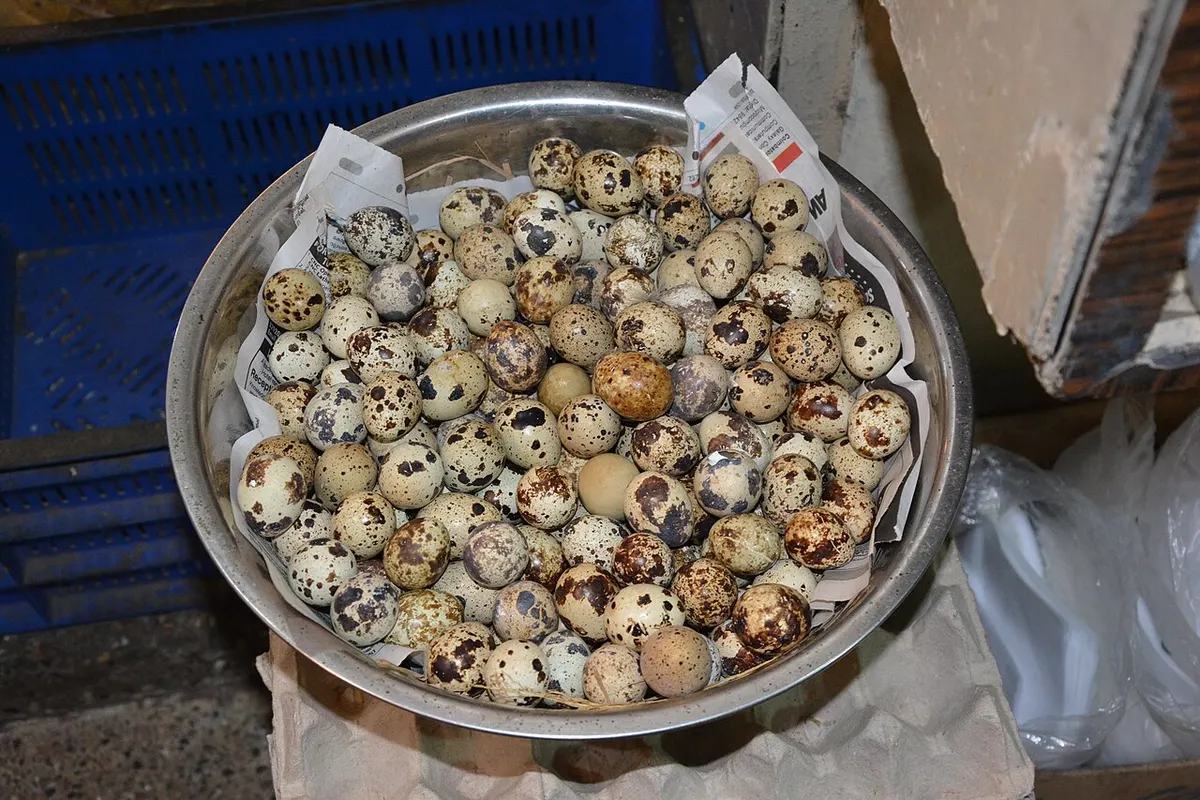
My first batch of quail eggs went into a $40 styrofoam incubator I bought used from a Facebook group, and I candled them every single day because I didn’t trust myself. Six hatched out of eighteen. My second batch, with a real thermometer and a schedule taped to the wall, was fifteen out of eighteen. The eggs didn’t change. What I understood about them did.
If you’re wondering how to incubate quail eggs and get a hatch rate you’re proud of, the process breaks into four things you control: temperature, humidity, turning, and the discipline to leave the incubator alone during the last three days. None of it is complicated, but small drift in any one of them is why so many people quit after a bad first hatch.
What you need before you set a single egg
You need an incubator (still-air or forced-air), a separate thermometer and hygrometer you trust more than the incubator’s built-in readout, an egg turner or the patience to turn by hand three times a day, and a scale if you want to track weight loss. That’s the whole list. Everything else is optional.
I still keep a cheap separate thermometer and hygrometer sitting on the egg tray next to whatever incubator I’m using. Built-in sensors read air temperature near the vent, not always at egg height, and a few degrees of difference across 17 days is the gap between a good hatch and a quiet one.
Getting the temperature and humidity right
Coturnix (Japanese) quail eggs want 99.5°F in a forced-air incubator, measured at egg height, or about 101°F in a still-air unit where heat isn’t circulated. Hold that within half a degree for the whole run. Humidity is where people split into two camps, and both work if you run them correctly.
| Method | Days 1 to 14 humidity | Lockdown humidity (day 15+) | Best for |
|---|---|---|---|
| Standard incubation | 45 to 50 percent | 65 to 70 percent | Beginners, humid climates, first hatch |
| Dry incubation | 25 to 35 percent | 65 to 70 percent | Experienced hatchers tracking weight loss, dry climates |
Dry incubation runs lower humidity on purpose, because the goal isn’t a humidity number, it’s getting the egg to lose close to 13 percent of its starting weight by day 14 through evaporation. Weigh a sample of eggs on day 1 and again on day 14; if they’ve lost less than 10 percent, drop the humidity further, and if they’ve lost more than 15 percent, raise it. Standard incubation skips the math and just holds a target percentage, which is the easier place to start if this is your first hatch.
The day-by-day timeline
Days 1 to 3: Set eggs pointed-end down or on their sides, start turning three times a day (or switch on the auto-turner), and leave them alone otherwise. This is when the embryo forms; opening the lid to peek does nothing but cool the eggs.
Days 4 to 9: Keep turning. You can candle around day 7 to confirm you’re seeing veining and a dark, moving spot rather than a clear or blood-ringed egg. Pull anything clear; it was never fertile or it stopped developing early.
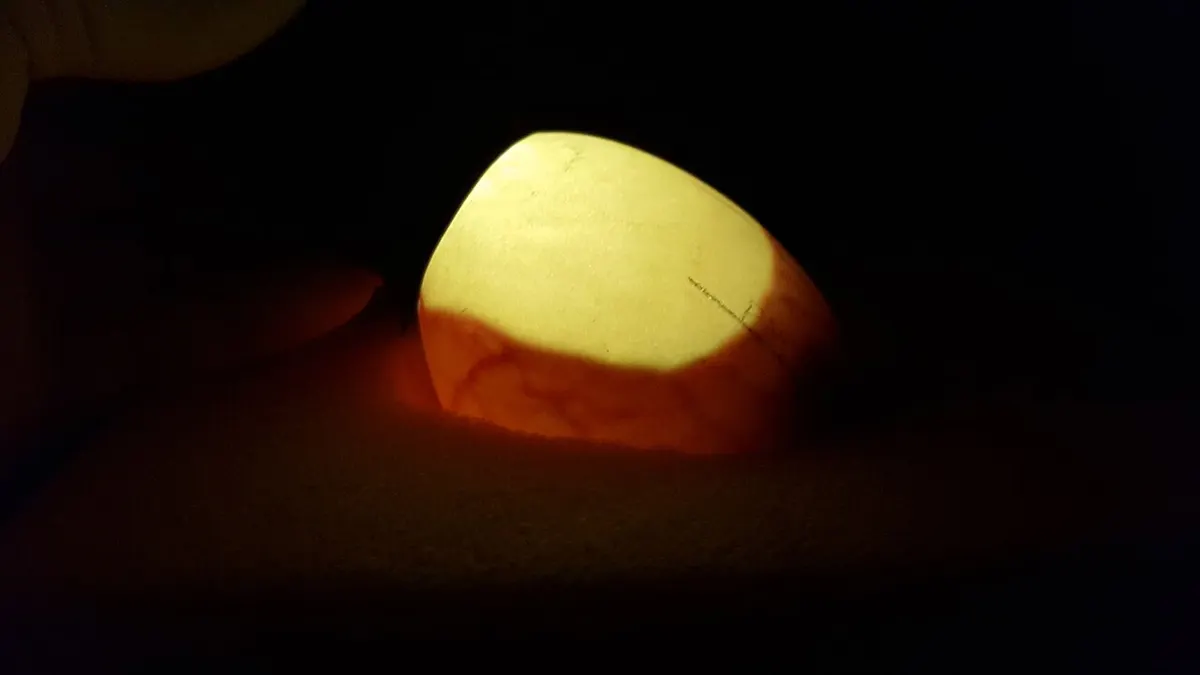
Days 10 to 14: Candle again around day 10 to 14 to check air cell size. A properly shrinking egg shows a growing air cell tilted at the fat end. Too small an air cell means humidity’s been too high; too large means it’s been too low. Adjust before lockdown, not after.
Day 14 to 15: This is lockdown. Stop turning by hand or switch off the auto-turner, raise humidity to 65 to 70 percent, and close the lid. Don’t open it again until chicks are dry and fluffed.
Days 16 to 18: Most coturnix hatch on day 17, with stragglers on day 16 or 18 being completely normal. You’ll hear peeping through the shell a day before the first pip. Once a chick pips, it can take 12 to 24 hours to fully zip out and emerge; this is normal and not a sign of trouble.
Why lockdown discipline matters more than perfect numbers
I’ve hatched eggs with humidity that drifted a few points off target and still gotten 80 percent hatch rates. I’ve also lost most of a hatch because I opened the lid twice during lockdown to “just check.” The humidity spike from opening the lid during active hatching does more damage in ten seconds than a day of slightly-off humidity does over two weeks. If you take one thing from this guide, let it be that the incubator stays shut from day 15 until chicks are dry.
Why won’t my quail eggs hatch?
Most failed hatches trace back to one of four things: temperature that drifted high or low for more than a few hours, humidity that never let the eggs lose enough weight before lockdown, eggs that were turned unevenly or not enough during the first 14 days, or fertility problems that had nothing to do with the incubator at all (old roosters, an off ratio of hens to males, or eggs stored too long before setting). Candling at day 7 and day 14 catches most of this early enough to fix it before you’re guessing after the fact. A peer-reviewed study on egg pigmentation, shine, and shape index found measurable differences in hatch rates tied to shell quality alone, which is a good reminder that not every failed hatch is an incubator problem.
The quick answers
Coturnix quail eggs incubate for 17 days, with a normal range of 16 to 18 days.
Set forced-air incubators to 99.5°F and still-air incubators to about 101°F at egg height.
Run humidity at 45 to 50 percent for days 1 through 14, or 25 to 35 percent if you’re doing dry incubation and tracking weight loss.
Raise humidity to 65 to 70 percent at lockdown, which starts on day 14 or 15.
Turn eggs at least three times a day through day 14, then stop turning entirely for lockdown.
Quail eggs should lose about 13 percent of their starting weight by day 14.
Never open the incubator during active hatching; humidity loss can shrink-wrap a chick still inside its shell.
If you’re setting up your first hatch, our guide to the best quail egg incubators covers which models make this easier, and the budget incubator roundup has options under $100 if you’re not ready to commit. Once chicks start hatching, how many quail to start with and our full beginner’s guide to raising coturnix will get you through the brooder stage and beyond.