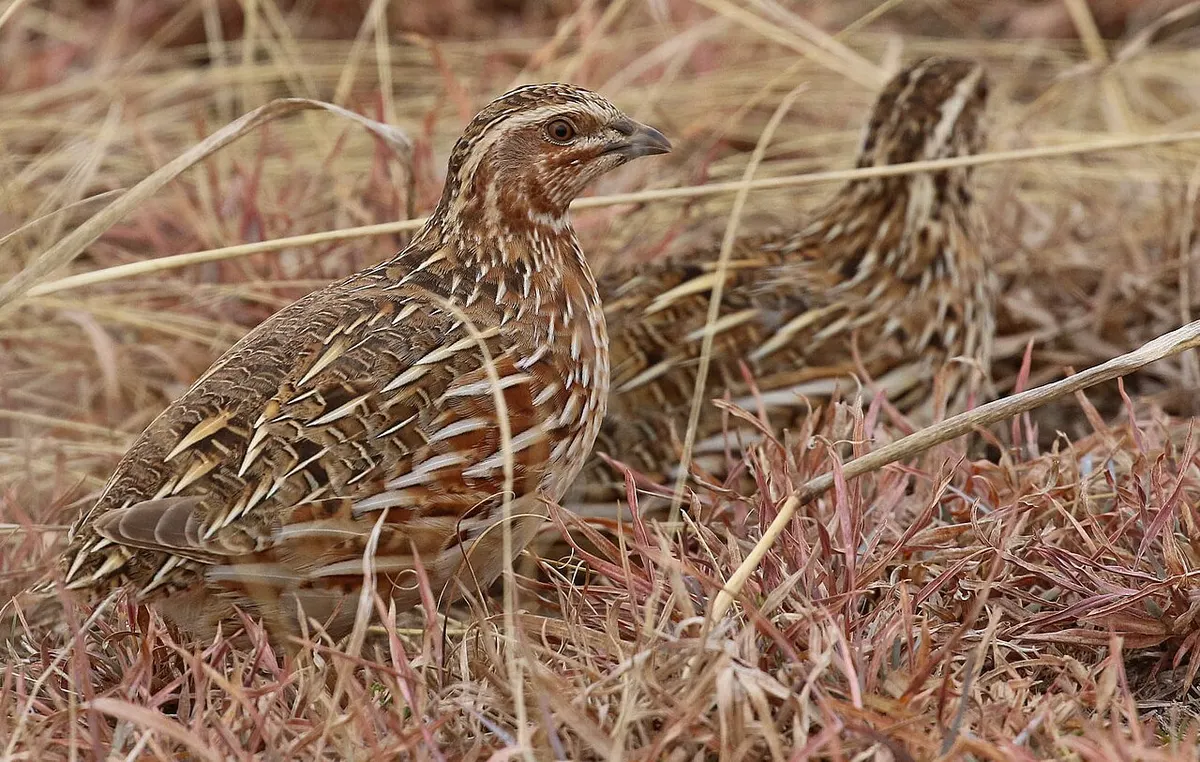
I got a message last month from a reader whose six hens went from six eggs a day to zero in about a week, no warning, no obvious trigger. She’d checked the feed, checked the water, and was starting to worry something was actually wrong with all six birds at once. Turned out it was the clocks. Daylight saving time had shifted her coop light’s schedule by an hour and knocked her artificial lighting below the threshold her hens needed. One timer adjustment later, she was back to five or six eggs a day within the week.
That’s the thing about quail that stop laying. It’s almost never mysterious once you know where to look, and it’s almost never just one cause. I’ve kept coturnix for years now and I’ve hit at least eight of the twelve things on this list myself. Here’s the full rundown, roughly in order of how often I actually see each one.
1. Not enough light, the top reason quail stop laying
This is the single most common reason healthy quail stop laying, especially from September through February. Coturnix hens need 14 to 16 hours of light a day to keep their reproductive cycle running. Once natural daylight drops below that, egg-laying tapers off fast, sometimes within days.
The fix is a timer-controlled light in the coop or cage area, set to bring total light (natural plus artificial) up to 14 to 16 hours. Don’t go past 16 hours and don’t cut it once birds are in production. According to Penn State Extension’s management guide for laying flocks, reducing light on birds that are already laying will stop production, sometimes for good.
 BN-LINK Digital Light Timer, 7-Day Programmable. This is the timer I run on my own coop light. Two independent outlets means I can put the light on one and a small heater on the other, both on their own schedule, and it holds the program through a power blip.
2. They’re just not old enough yet
Coturnix hens can start laying as early as 6 weeks, but the average is closer to 8 to 9 weeks, and some hens on the slow end don’t start until 10 weeks. If your birds are young and you’ve been waiting past 6 weeks with nothing, you’re probably not looking at a problem, you’re looking at normal variation. Give it to 9 or 10 weeks before you assume something’s wrong.
3. They’re molting
Quail molt once or twice a year, and while they’re doing it, their bodies redirect protein and energy from egg production into growing new feathers. Laying usually stops or slows hard during a molt and picks back up two to six weeks after it finishes. Bumping protein to 20 to 24 percent during a molt helps hens come back into lay faster, but there’s no way to skip the pause entirely.
4. Not enough protein in the feed
Laying hens need at least 18 to 20 percent protein to keep producing at a normal clip. If you’re on a chicken layer crumble instead of a real gamebird layer feed, or you’re stretching feed with too much scratch grain or table scraps, protein intake drops below what the hens need and laying slows or stops. I’ve written more on this specific mismatch in why chicken feed falls short for quail, and our current feed picks if you need to switch brands.
5. Not enough calcium
Calcium builds eggshell, and quail laying almost daily burn through it fast. Without a steady calcium source, hens either lay thin, cracked, or shell-less eggs, or their bodies pull back on laying rate entirely to protect their own bone reserves. A free-choice calcium source alongside a proper layer feed fixes this in most flocks within a week or two.
 Eaton Pet & Pasture Crushed Oyster Shells, 5 lb. I keep a separate small dish of this next to the feeder, free choice, so hens can take what they need without it diluting the rest of the flock's regular feed ratio.
6. Dehydration or water access problems
Quail drink more relative to their body size than most people expect, and a laying hen is even thirstier than a non-laying one since eggs are mostly water. A knocked-over cup, a frozen waterer, or a nipple line that’s clogged will drop egg production within a day or two, often before you notice anything else is wrong. Check water access before you troubleshoot anything else on this list, it’s the fastest thing to rule out.
7. Too many roosters in the pen
A ratio heavier than about one rooster to three or four hens means the hens get overbred. That means constant chasing, feather loss on the back and head, and enough chronic stress that laying drops. I go into ideal ratios and what overbreeding actually looks like in our male-to-female ratio guide, but the short version is: if your hens look ragged and stressed, count your roosters before you look anywhere else.
8. Stress from noise, predators, or handling
Quail are prey animals and they take stress seriously. A dog that keeps circling the pen, a hawk shadow overhead, kids banging on the wire, even moving the cage to a new spot, any of these can shut laying down for days while the flock settles. There’s usually not much to “fix” here beyond removing the stressor and giving the birds a week or two of calm to recover.
9. Temperature extremes
Quail lay best in a fairly narrow comfort range, roughly 55 to 80°F. Below freezing, birds put more energy into staying warm and less into laying, which is the main reason production drops hard in winter even with good lighting. Above about 90°F, heat stress does the same thing from the other direction. If you’re dealing with a cold snap, our winter care guide covers what actually helps versus what’s a waste of effort.
10. Illness or internal parasites
A hen fighting an infection or a heavy worm load puts her limited energy into survival, not eggs. Watch for other symptoms alongside the missing eggs: lethargy, puffed-up feathers, discharge from the eyes or nose, or noticeably thin body condition. If you see any of those, that’s a vet or at minimum a targeted dewormer situation, not a lighting or feed fix.
11. Egg binding
This one’s less common but more urgent. A hen straining, sitting low and hunched, or with visible swelling near the vent may have an egg stuck and unable to pass, often from a calcium shortfall or an oversized egg. A warm, humid space (a steamy bathroom works in a pinch) can help relax the muscles enough for her to pass it. If she hasn’t within a couple hours, or she’s clearly in distress, get her to an avian vet. Left untreated, egg binding can be fatal within a day or two.
12. Natural age-related decline
Coturnix hens peak between about 2 and 12 months old, laying close to one egg a day at their best. After 12 to 18 months, production naturally tapers even with perfect light, feed, and care, and most hens are down significantly by age 2. If your flock is older and everything else checks out, you may just be looking at a hen who’s past her peak. That’s not a problem to solve, just something to plan around when you’re deciding whether to add younger birds to the pen.
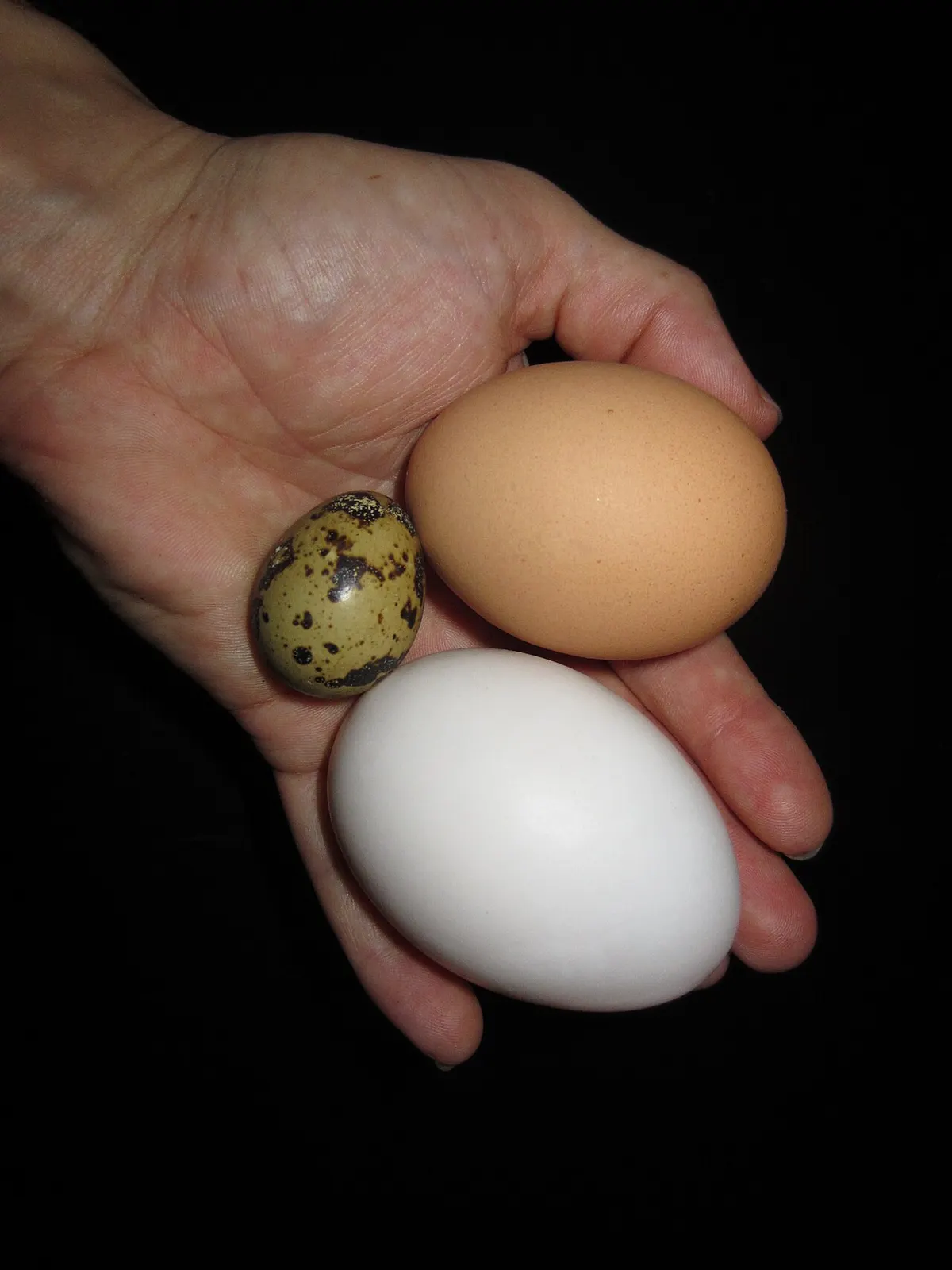
The 12 causes at a glance
| Cause | How fast it shows up | Fix time once corrected |
|---|---|---|
| Insufficient light | 3 to 7 days | 1 to 2 weeks |
| Too young | N/A, just wait | Starts on its own by 9 to 10 weeks |
| Molting | Immediate | 2 to 6 weeks |
| Low protein | 1 to 2 weeks | 1 to 2 weeks after switching feed |
| Low calcium | 1 to 2 weeks | 1 to 2 weeks |
| Dehydration | Same day | 24 to 48 hours |
| Too many roosters | Days to weeks | 1 to 2 weeks after re-ratio |
| Stress | Immediate | Days to 2 weeks |
| Temperature extremes | Days | Varies with season |
| Illness or parasites | Varies | Depends on treatment |
| Egg binding | Immediate, urgent | Hours, needs intervention |
| Age-related decline | Gradual, over months | Doesn’t reverse |
The quick answers
The most common reason quail stop laying is insufficient light, since hens need 14 to 16 hours a day to keep producing. Coturnix typically start laying between 6 and 10 weeks old, so young birds simply may not be there yet. Molting pauses laying for 2 to 6 weeks while the hen regrows feathers. Laying hens need 18 to 20 percent protein and a free-choice calcium source like crushed oyster shell to sustain daily egg production. Dehydration can drop laying within a single day, so check water first when production suddenly stops. A ratio heavier than one rooster to three or four hens causes overbreeding stress that reduces laying. Quail lay best between 55 and 80°F and slow down outside that range. A hen straining or hunched near the vent may be egg bound, which needs warm humid air or a vet visit within hours, not days. Coturnix production naturally declines after 12 to 18 months of age even with ideal care.
If you’re just getting your flock started and want the full setup rundown, how to raise coturnix quail from beginner to laying hen is the place to start, and what quail actually eat at each life stage pairs well with the feed and calcium points above. For a deeper look at winter-specific drops in production, see our full winter quail care guide. The Mississippi State University Extension guide to managing egg-producing hens is a solid reference if you want the underlying poultry science behind the lighting and nutrition points here.