
People ask me this more than anything else: are quail hard to raise? I get it. Chickens have a reputation for being easy, and quail are the weird cousin nobody’s uncle kept growing up. So before I answer in the abstract, I actually timed myself. For four weeks I ran a stopwatch every time I touched my cages. Here’s what quail really cost me in minutes, not vibes.
Are quail hard to raise? The short answer
No, quail are not hard to raise, but they are unforgiving of skipped days in a way chickens aren’t. A chicken coop with a big waterer can coast for two days if you oversleep. A quail cage with a cup waterer that tips cannot. The work itself is simple. The margin for error is just thinner.
What I actually timed, one month, 24 birds
I keep 24 Coturnix in two stacked rollaway cages in my garage. Here’s the real average, logged on my phone:
| Task | Frequency | Average time | Monthly total |
|---|---|---|---|
| Morning feed and water check | Daily | 4 minutes | 120 minutes |
| Egg collection | Daily | 2 minutes | 60 minutes |
| Dropping tray scrape | Every 3 days | 6 minutes | 60 minutes |
| Full bedding change | Weekly | 15 minutes | 60 minutes |
| Deep clean (hose, disinfect, refill grit) | Monthly | 45 minutes | 45 minutes |
| Total | 345 minutes (5.75 hours/month) |
That works out to about 11 minutes a day on average, spread across two check-ins. Some mornings it’s closer to 3 minutes. Deep clean weeks it’s more like 20. Either way, it’s less time than I spend walking my dog.
Why people assume quail are harder than chickens
Three things drive the reputation, and only one of them holds up.
They’re small and feel fragile. A quail is about a third the size of a laying hen. New keepers handle them like they might snap, which makes every interaction feel tense. They don’t snap. Coturnix are surprisingly tough birds bred for commercial production, not ornamental delicacy.
Cup waterers fail quietly. This is the real one. A tipped cup or a clogged nipple can leave a cage dry by afternoon, and quail dehydrate faster than chickens because they’re smaller and often kept at higher stocking density. I lost two birds in my first year to a waterer I didn’t check before leaving for a weekend. That mistake is why I switched to a larger gravity-fed reservoir system and now test every setup for 48 hours before trusting it unsupervised.

The internet conflates “exotic” with “difficult.” Quail still get filed next to parrots and reptiles in people’s heads, something delicate that needs a specialist. In practice they’re closer to a finch than a falcon. Feed, water, shelter from drafts and summer heat, and they do the rest.
The daily routine, step by step
Here’s the actual sequence I run every morning, in order:
- Visual check first, before touching anything. I look for birds that are puffed up, hiding, or not coming to the front of the cage when I approach. A healthy Coturnix flock reacts to you. A quiet, still flock is the first sign something’s wrong.
- Water. Confirm the reservoir is full and the cups or nipples are actually dispensing, not just present. I run a finger under each nipple once a week to confirm flow, since a clogged one can look fine from a distance.
- Feed. Top off the trough, checking that nothing’s gone damp or moldy from a water drip overnight.
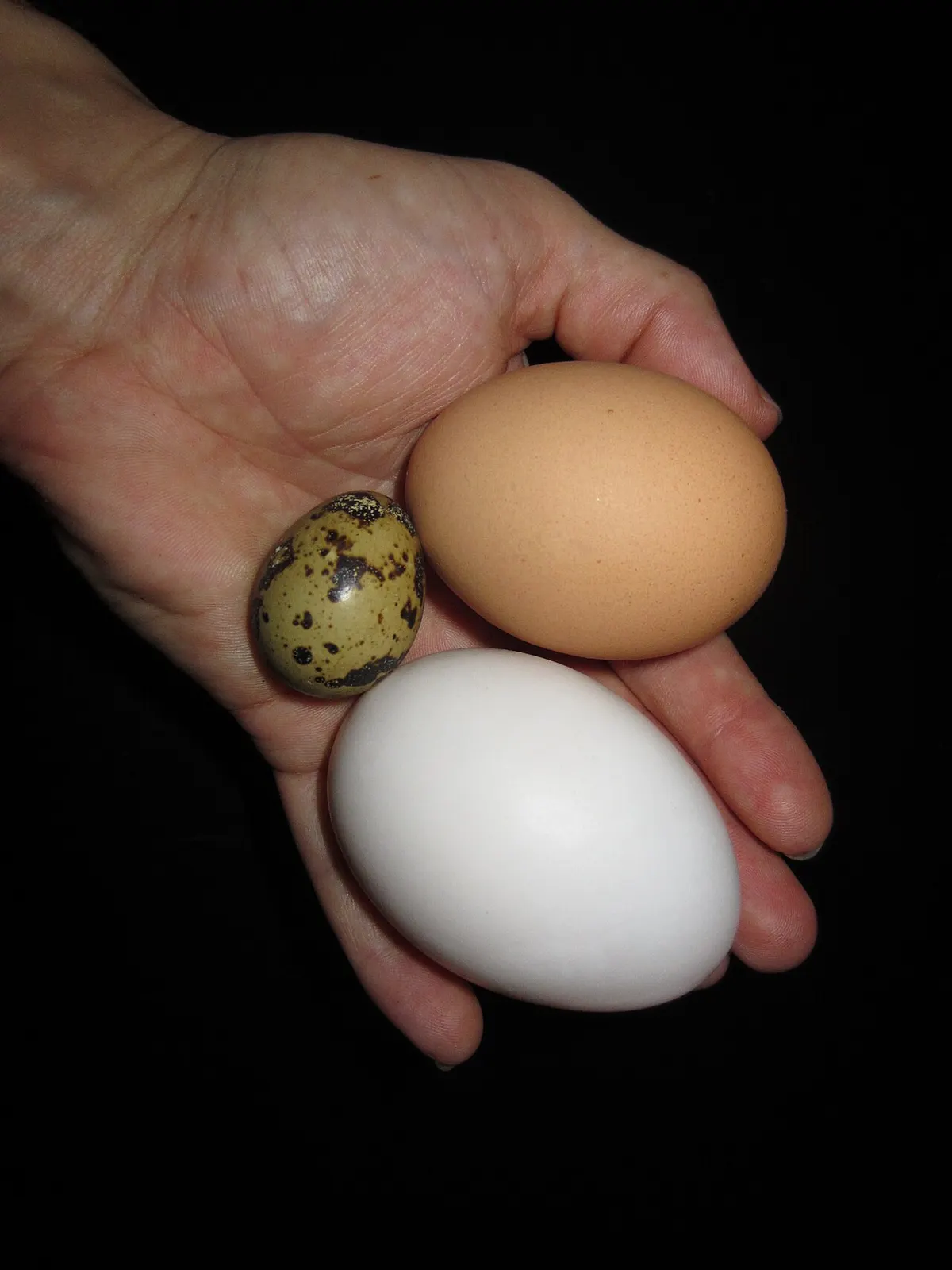
- Eggs. Coturnix hens lay close to daily, so a 24-bird cage usually means 18 to 22 eggs sitting in the collection tray by morning. I pull them before the birds start walking on them.
- Evening pass, optional but worth it. A quick look before dark catches anything that developed during the day, like a feather-picking squabble or a feeder that ran dry faster than expected.
What happens if you skip a day
This is the part nobody sponsors you to say out loud. Quail can handle one missed check if the setup is solid. A full gravity waterer and a waste-free feeder can realistically carry a small flock for several days, which is exactly why I rebuilt my system around a larger reservoir instead of daily-topped cups. But “can handle a missed day” is not the same as “ignore them for a week.” Build in a buffer, test it before you actually travel, and have a neighbor or a timer-fed backup plan for anything longer than two or three days.
Is the egg payoff worth the chore time?
For me, yes, by a wide margin. Twenty Coturnix hens in lay will put a dozen quail eggs in your hand most mornings for about 11 minutes of daily work. If you’re only after eggs for the table, that’s a better time-to-protein ratio than most backyard chicken setups I’ve run. If your hens stop producing the way you expect, the fixes are almost always environmental, not mysterious; I cover the full troubleshooting list in why aren’t my quail laying.
The quick answers
Here’s the short version if you’re skimming:
- Daily quail care averages about 10 to 15 minutes for a small flock of 20 to 30 birds, split between a morning and optional evening check.
- The single biggest daily task is water, not feed, because a failed waterer causes problems faster than a late feeding does.
- Quail are not more fragile than chickens; they’re just less forgiving of equipment failures because of their smaller size.
- A full bedding change takes 10 to 15 minutes and is typically needed weekly, with lighter spot-cleaning in between.
- With a properly tested gravity feeder and large reservoir waterer, a small flock can go a few days unattended, but daily care is still the standard and the safer baseline.
- Most of the “quail are hard” reputation traces back to one failure mode: a water system that looked fine but wasn’t actually delivering water.
For broader husbandry standards beyond my own setup, Texas A&M AgriLife’s guide to quail production for home consumption is a solid, non-commercial reference point.
So, are quail hard to raise? No. They’re fast, not hard. The whole routine fits into the time it takes to make coffee. Just don’t trust a waterer you haven’t tested.