I get asked this one almost as often as “what do I feed them.” Do quail need grit, and do they need oyster shell too, or is a bag of game bird crumble enough on its own? The short answer is that it depends on what else they’re eating and whether any of them are laying, and the two supplements aren’t interchangeable even though people lump them together constantly.
Grit and oyster shell do completely different jobs. Mixing them up, or assuming one covers the other, is how you end up with a flock quietly short on calcium while you’re convinced the grit dish you refill every week has that covered.
What grit actually does in a quail’s gizzard
Quail have no teeth. Whatever they swallow goes to the gizzard, a muscular part of the stomach that grinds food down using small stones the bird has eaten. Insoluble grit, usually crushed granite, is what supplies those stones. Without it, a bird eating anything other than fine commercial feed has a harder time breaking that food down, and digestion suffers.
That’s the entire function. Grit has no nutritional value itself. It’s a mechanical tool sitting in the gizzard, not a supplement that gets absorbed.
Do quail need grit if they’re only eating crumble or pellets?
This is where most of the confusion starts, because the answer genuinely changes based on the rest of the diet.
A bird eating nothing but a fine commercial crumble or pellet doesn’t strictly need grit, since that feed is already broken down to a size the gizzard can handle without help. The moment you add anything whole, scratch grains, mealworms, cracked corn, garden greens with stems, or let birds free range and peck at seeds and bugs, the gizzard needs stones to process it.
| Diet | Needs insoluble grit? | Why |
|---|---|---|
| Commercial crumble or pellets only, no treats | Not strictly | Feed is already fine enough to digest without grinding |
| Crumble plus occasional treats (mealworms, greens, cracked corn) | Yes | Whole or chunky treats need gizzard grinding |
| Free ranging or pecking at a dirt or grass run | Yes | Seeds, bugs, and plant matter picked up outside are not pre-ground |
| Mostly ground scratch or whole grains as a base feed | Yes, and more of it | A whole-grain diet relies on grit for most of its digestion |
My own flock gets crumble as the base but also gets garden scraps and the occasional handful of mealworms, so I keep grit available at all times rather than trying to track which days they technically need it. It’s a cheap dish to keep filled and one less thing to think about.
Does oyster shell matter for quail, and who actually needs it?
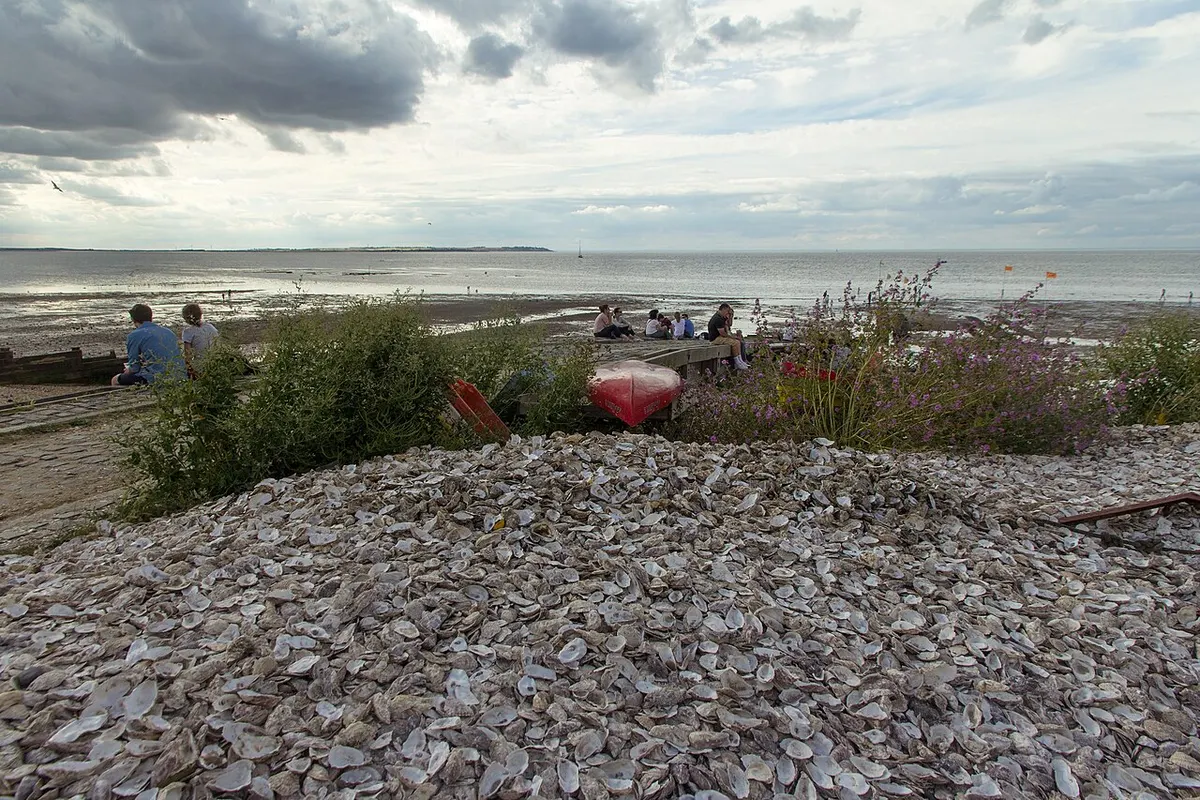
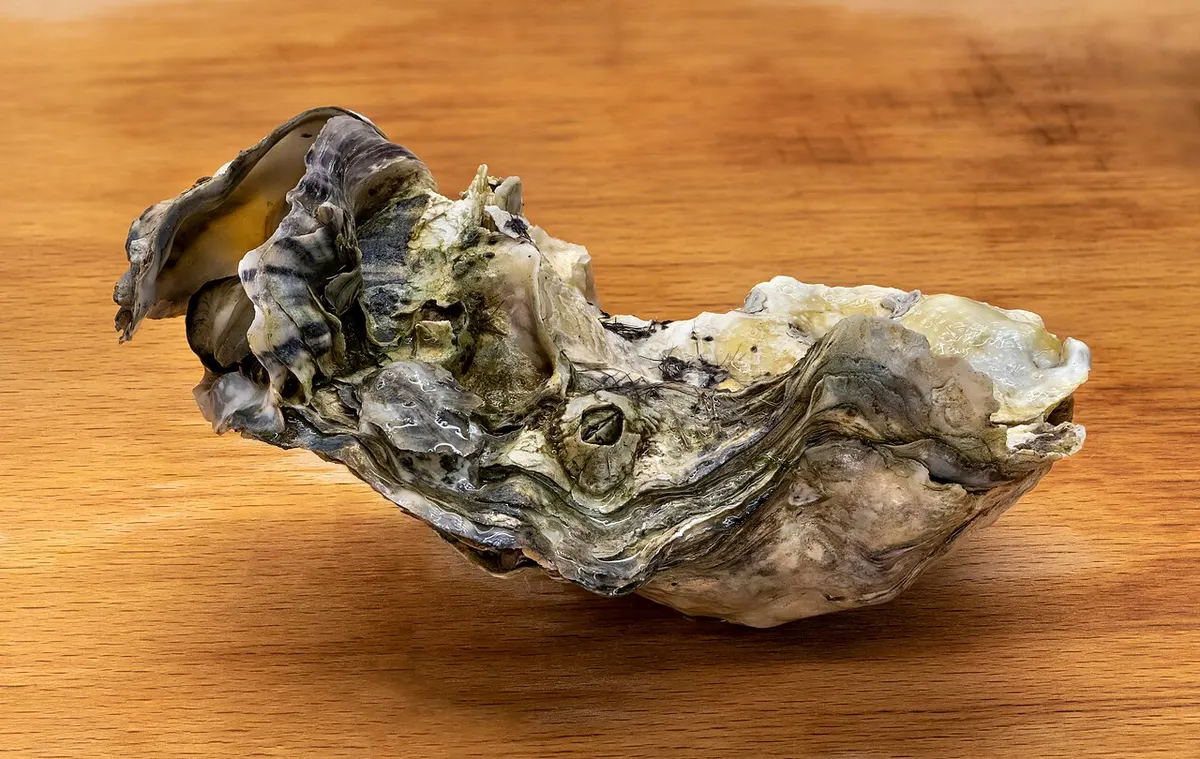
Oyster shell is a soluble calcium source. It dissolves in the gizzard’s acid and gets absorbed into the bloodstream, where laying hens use it to build eggshell. This is a completely different mechanism from grit, and it only matters for one group of birds: hens that are actively laying.
A quail hen laying close to one egg a day burns through calcium fast, and a standard layer feed running 2.5 to 3% calcium covers the average bird but not every bird in a flock. Hens that are heavier layers, older, or just individually variable can come up short even on a complete layer ration, and that shows up as thin shells, soft shells, or shell-less eggs before it shows up anywhere else.
Males and non-laying birds don’t need extra calcium, and giving it to them long term isn’t harmless. Excess calcium in a bird that isn’t using it for eggshell production gets filed away in soft tissue and can strain the kidneys over time. This is the real reason oyster shell goes in its own dish instead of getting mixed into the feed. A separate, free-choice dish lets laying hens take what they need while roosters and non-layers mostly leave it alone.
 Eaton Pet & Pasture Crushed Oyster Shells, 5 lb. This is the calcium dish I keep next to the feeder, free choice, separate from the regular feed so laying hens can take what they need without force-feeding extra calcium to the rest of the flock.
If you want the full breakdown of calcium’s role in egg production, including the other common causes of soft or missing shells, why quail stop laying and how to fix it goes deeper into that specific problem.
How much grit and oyster shell should you offer, and how?
Offer both free choice, in separate shallow dishes, never mixed into the feed. This matters for two reasons. First, birds vary a lot in how much of either one they actually need day to day, and free access lets each bird self regulate instead of forcing a flock-wide average into every beak. Second, mixing grit or oyster shell into feed means every bird eats some whether it needs it or not, which is exactly the overdose risk for non-laying birds and roosters mentioned above.
I keep two small dishes clipped to the inside of the cage, one for grit and one for oyster shell, both topped off during the regular feed check rather than on any special schedule. Birds that need more will visit more. There’s no dosing math required on your end.
Don’t worry about running out quickly either. Neither supplement gets consumed in large volumes relative to feed, so a 5 pound bag of each lasts a home flock a long time.
What grit size actually works for quail?
This trips people up because most grit sold at feed stores is sized for full-grown chickens, and that’s noticeably larger than what a bird the size of a coturnix quail needs. Chick-sized grit, the same product sold for baby chickens starting on solid food, is the right scale for adult quail, not the standard adult chicken grit you’ll see on the same shelf.
 Manna Pro Chick Grit Digestive Supplement, 5 lb. Sized for young, growing birds and bantam breeds, which happens to match an adult quail's size far better than standard adult poultry grit does.
For the feed side of this same question, what quail eat at each life stage covers starter, grower, and layer rations in full, and the specific feed bags I buy and why walks through brand-level choices if you’re trying to simplify the whole feeding setup at once.
Can quail get grit from free ranging alone?
Sometimes, but don’t count on it. Birds on dirt, gravel, or mixed-terrain ground often pick up enough small stones on their own to cover basic grit needs. Birds on sand, fine soil, deep bedding, or anything without naturally occurring small stones usually can’t find enough no matter how much they forage. Winter adds another wrinkle, since snow cover or frozen, compacted ground hides whatever stones were there to begin with.
If you’re not certain your run has the right texture of ground, offering a dish of grit anyway costs you almost nothing and removes the guesswork entirely. The University of Kentucky’s poultry extension program notes that even pasture-raised birds typically still need supplemental grit, since foraging alone doesn’t reliably supply enough of the right size material.
The quick answers
Insoluble grit, usually crushed granite, helps the gizzard grind food and has no nutritional value of its own. Birds on commercial crumble or pellets with zero treats or forage don’t strictly need grit. Birds getting any whole treats, scratch, or free range time do need it. Oyster shell is a soluble calcium source for eggshell production and is only needed by actively laying hens, not males or non-layers. Chick-sized grit fits adult quail better than standard adult chicken grit. Offer grit and oyster shell free choice in separate dishes, never mixed into feed. A quail hen laying close to daily needs a steady calcium source or shells turn thin, soft, or go missing entirely. Excess calcium in non-laying birds can strain the kidneys over time, which is why oyster shell should never be a flock-wide blend.
So, do quail need grit and oyster shell? Grit and oyster shell solve two unrelated problems, one mechanical and one nutritional, and the fix for both is the same low-effort habit: two small dishes, free choice, refilled whenever you check feed. For a broader look at building out the rest of your quail nutrition from chick to layer, what quail eat at each life stage is the companion piece to this one, and if a hen’s shells are already coming out wrong, the full list of reasons quail stop laying will help you narrow down whether calcium is actually the culprit. Research on quail feed formulations from Mississippi State University Extension is a useful reference if you want university-tested rations rather than guessing at a mix yourself.