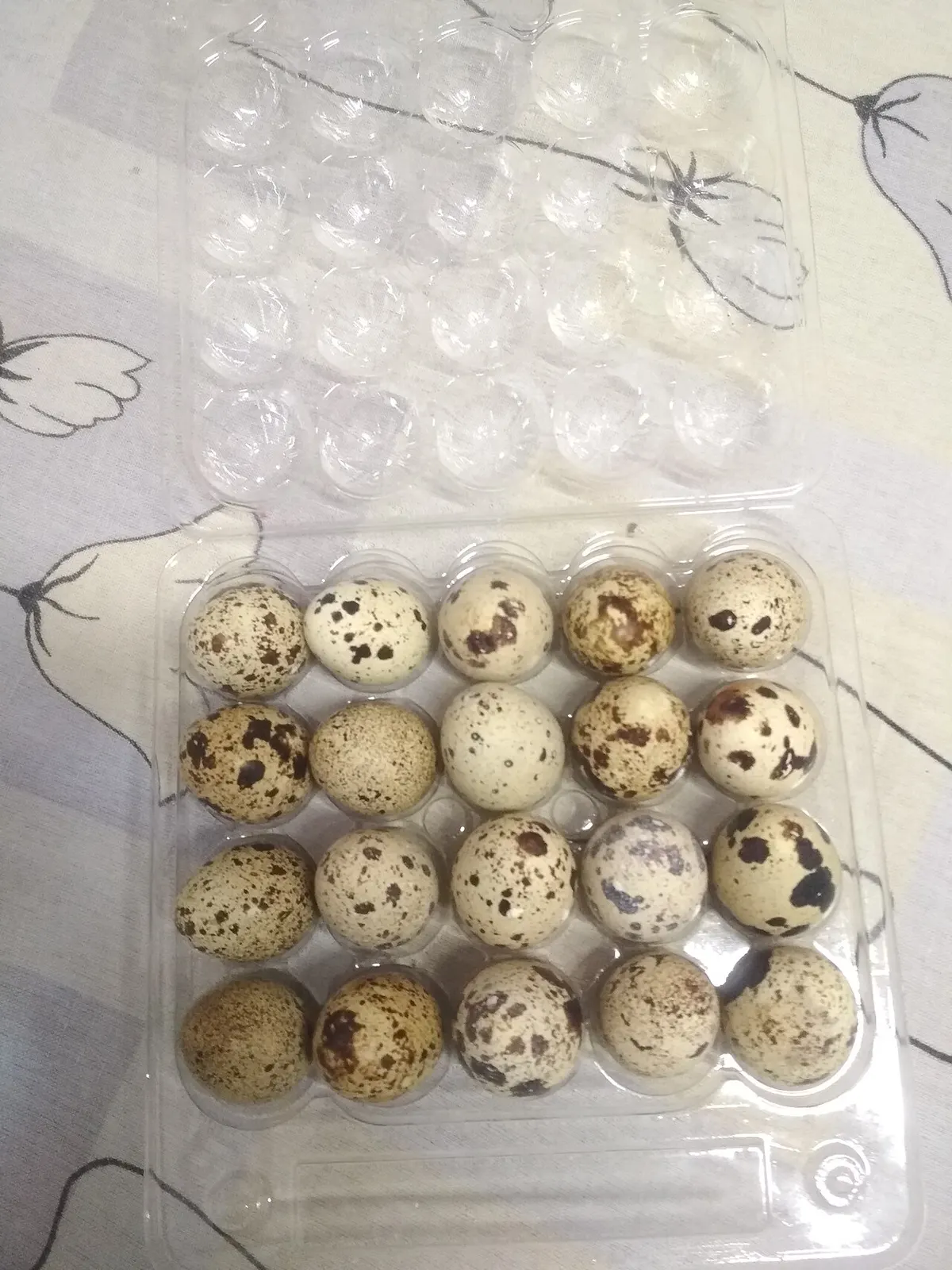
I ended up with four dozen quail eggs in the fridge last month, more than my family could eat before they started looking like a science experiment, and that’s exactly the kind of problem a good pickled quail eggs recipe solves. Pickling turns a surplus into something that keeps for months, travels well in a lunch bag, and honestly tastes better after a few days in the brine than it ever does fresh out of the shell. I make two versions on repeat: a classic brine with garlic and warm spices, and a spicy jalapeno version that disappears fastest when I bring it to a cookout. Both start from the same base method, they just split off at the seasoning step.
Why pickle quail eggs in the first place
A laying flock of a dozen or so hens can hand you 8 to 10 eggs a day once they’re in full swing. That’s manageable for omelets and snacking, until you have a slow week where nobody’s cracking eggs and the carton count keeps climbing. Pickling is the easiest way to bank that surplus without a dehydrator or a freezer shelf you don’t have room for. It also turns a fairly plain-tasting egg into something with actual flavor, which matters if you’ve got kids or guests who find a boiled quail egg a little boring on its own.
The basic brine ratio
Every pickled egg recipe comes down to the same backbone: vinegar, salt, and whatever aromatics you want riding along. For quail eggs specifically, I use about 2 cups of white vinegar (5% acidity) for every two dozen eggs, packed into a wide-mouth pint jar. That’s enough to fully submerge the eggs, which matters more than people think. Any egg poking above the brine line isn’t pickling evenly and is more exposed to spoilage. I don’t dilute the vinegar with water the way some chicken-egg pickle recipes do. Quail eggs are small enough that a weaker brine barely has time to penetrate before you’re ready to eat them, so I keep the vinegar at full strength.
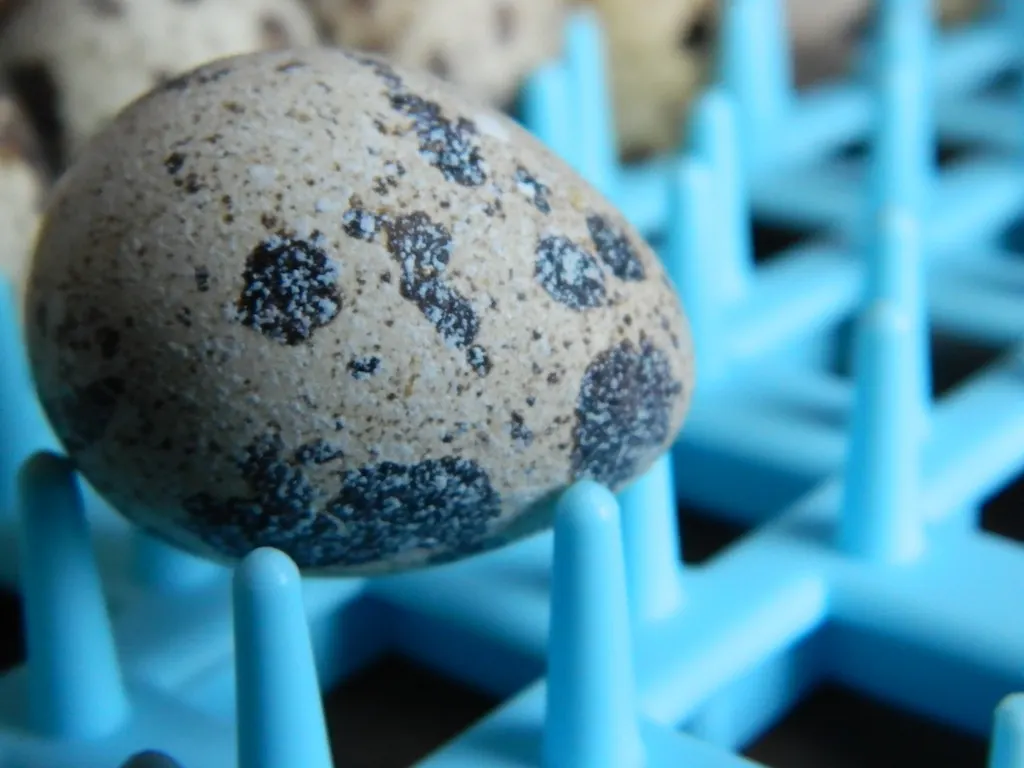
Classic pickled quail eggs recipe
This is the version I make most often, basically a dialed-in take on the garlic and warm-spice brine that shows up across most quail-keeping forums, scaled for a two-dozen batch so it’s worth the effort of peeling that many tiny eggs in one go.
Ingredients
- 24 quail eggs, hard-boiled and peeled
- 2 cups white vinegar (5% acidity)
- 2 teaspoons salt
- 4 garlic cloves, peeled and lightly smashed
- 10 whole peppercorns
- 6 whole allspice berries
- 3 whole cloves
- 1 teaspoon mustard seeds
- 1 bay leaf
Instructions
- Boil the eggs for 3 to 4 minutes for a fully set yolk, then move them straight into an ice water bath for 5 minutes.
- Peel the eggs (see the peeling section below if you’re losing whites to the shell) and pack them into a clean wide-mouth pint jar along with the garlic and bay leaf.
- In a small saucepan, bring the vinegar, salt, peppercorns, allspice, cloves, and mustard seeds to a boil, then simmer for about 1 minute until the salt dissolves.
- Pour the hot brine over the eggs so they’re fully covered, then let the jar cool on the counter for 30 minutes before sealing and refrigerating.
- Give them at least 3 days in the fridge before eating, though a full week gets you a much deeper flavor. The eggs will keep absorbing the brine and getting more intense the longer they sit.
Spicy pickled quail eggs recipe (jalapeno)
Same base method, more heat. I use this one for parties because it goes faster than the classic version, probably because it reads as the more interesting option on a snack table.
Ingredients
- 24 quail eggs, hard-boiled and peeled
- 2 cups white vinegar (5% acidity)
- 2 teaspoons salt
- 2 jalapenos, sliced into rings (seeds in if you want real heat, out if you don’t)
- 2 teaspoons minced garlic
- 2 teaspoons mustard seeds
- 1 teaspoon red chili flakes
- 1/4 teaspoon turmeric, for color
- 1 tablespoon sugar, to round out the heat
- 1 bay leaf
Instructions
- Boil and ice-bath the eggs the same way as the classic version, then peel them.
- Layer the peeled eggs and jalapeno rings into a wide-mouth pint jar.
- Bring the vinegar, salt, garlic, mustard seeds, chili flakes, turmeric, sugar, and bay leaf to a boil, then simmer for 1 minute.
- Pour the hot brine over the eggs and jalapenos, cool for 30 minutes, then seal and refrigerate.
- These are ready to taste at 24 hours, but the heat and turmeric color both deepen noticeably by day 3, so hold off serving them at a party until they’ve had at least that long.
The turmeric does double duty here. It gives the eggs a golden tint that makes them look distinct from the classic batch sitting next to them in the fridge, and it’s a trick I picked up from a few spicy pickled egg recipes that use it purely for color rather than flavor.
Classic vs. spicy, side by side
| Classic | Spicy (jalapeno) | |
|---|---|---|
| Vinegar | 2 cups, full strength | 2 cups, full strength |
| Heat level | None | Moderate to hot, adjustable by seed count |
| Color | Pale, translucent white | Golden tint from turmeric |
| Ready to eat | 3 days minimum, better at 1 week | 24 hours minimum, better at 3 days |
| Best use | Snacking, salads, deviled quail eggs | Party trays, bar snacks, bloody marys |
 Ball Wide Mouth Pint Canning Jars, 12 Pack. A wide-mouth pint jar is the right size for a two-dozen egg batch, and the wide opening matters more than it sounds like it would, since it lets you lower eggs in with a spoon instead of dropping them against the glass and cracking a shell at the worst possible moment.
Peeling quail eggs for pickling without losing half the white
Peeling is the actual bottleneck in this whole process, not the brine. A full breakdown of cook times and peeling methods lives in how to cook quail eggs, but the short version for pickling purposes: cool the eggs completely in an ice bath first, crack the shell into small pieces by rolling the egg gently on the counter rather than squeezing it, then peel starting from the wide end where there’s a small air pocket to get a grip under the membrane.
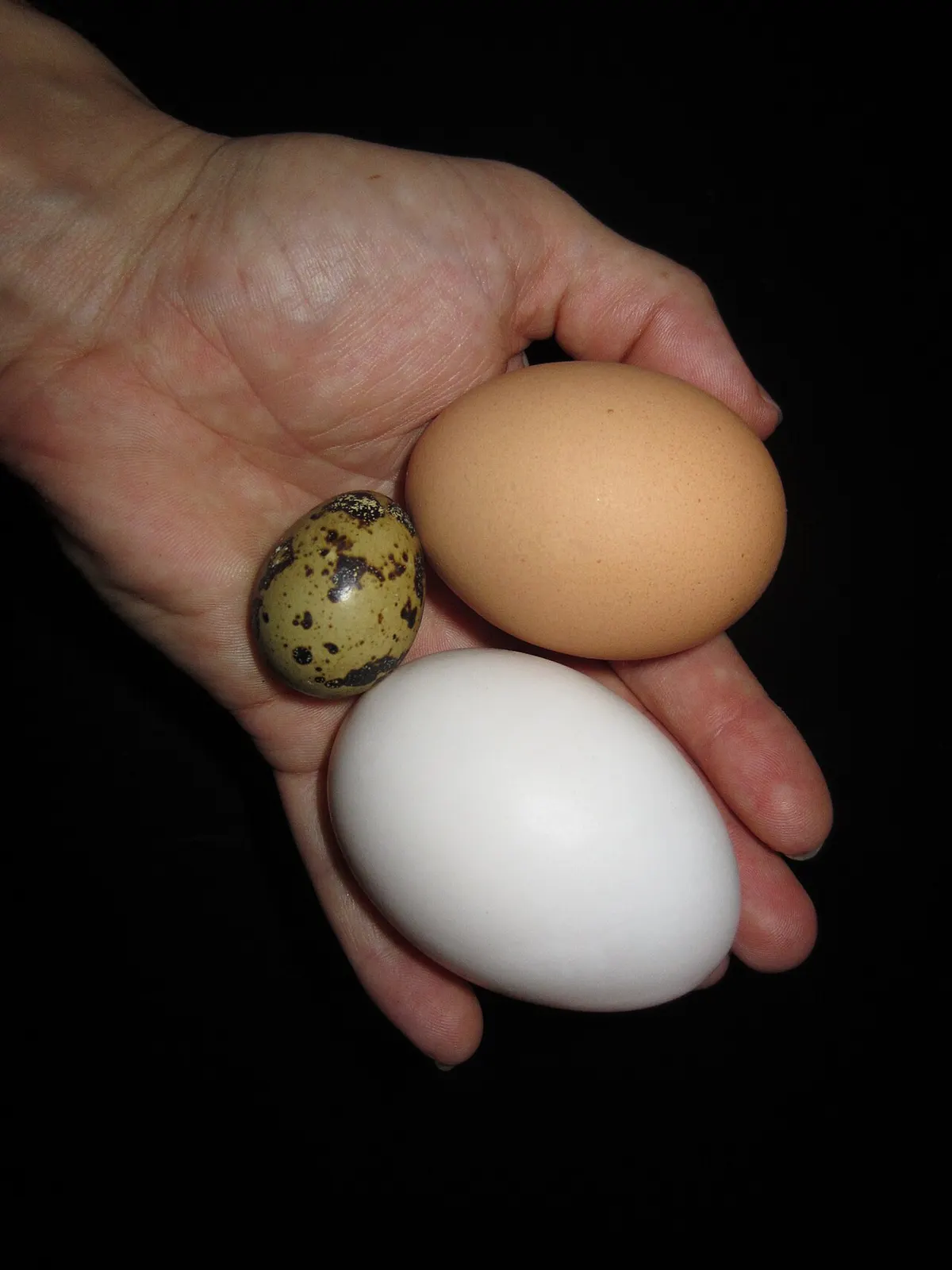
If you’re doing this in batches of two or three dozen regularly, which tends to happen once you’re pickling to keep up with a flock’s output, a dedicated tool actually pays for itself in saved thumbnails.
 KEULEN Manual Quail Egg Peeler. Built specifically for eggs this size, which a standard chicken-egg peeler isn't. It rolls the shell into cracked fragments without crushing the egg itself, which is the step most people struggle with by hand.
How long do pickled quail eggs last?
Stored in the refrigerator with the eggs fully submerged in brine, pickled quail eggs keep for about 3 to 4 months, according to the National Center for Home Food Preservation. That’s the same window given for pickled chicken eggs, since the size difference doesn’t change the safety math much once the eggs are fully brined. In practice, mine rarely last that long because we eat through a jar in a couple of weeks, but it’s good to know the ceiling if you’re building up a stockpile.
The eggs need to stay refrigerated at all times, not just after the initial brining period. NCHFP guidance is specific on this: don’t leave pickled eggs at room temperature for more than 2 hours, even during serving. If you’re setting a jar out for a party, keep it on ice or swap it for a fresh small batch partway through rather than letting the whole jar sit on the counter for hours.
Can you can pickled quail eggs for shelf storage?
No, and this is worth being direct about. There is no approved home-canning method for pickled eggs of any kind, quail or chicken. The National Center for Home Food Preservation states plainly that there are no home canning directions for pickled eggs, and the CDC has documented botulism cases tied specifically to home-pickled eggs that were stored at room temperature instead of refrigerated. Clemson’s Home and Garden Information Center echoes the same refrigerator-only rule in its own pickled quail egg guidance. The acid in a vinegar brine is enough to make the eggs taste pickled, but it isn’t reliably enough to make them safe at room temperature the way a properly processed canned vegetable would be. Keep every batch in the fridge, full stop.
The quick answers
- A two-dozen egg batch needs about 2 cups of full-strength white vinegar to stay fully submerged in a wide-mouth pint jar.
- Boil quail eggs 3 to 4 minutes before pickling for a fully set yolk.
- Classic pickled quail eggs need at least 3 days in the fridge before eating, a full week for the best flavor.
- Spicy jalapeno pickled quail eggs are edible at 24 hours but improve noticeably by day 3.
- Pickled quail eggs keep 3 to 4 months in the refrigerator, per the National Center for Home Food Preservation.
- Pickled eggs must stay refrigerated at all times and should never sit out longer than 2 hours.
- There is no safe home-canning method for pickled eggs; room-temperature storage has caused documented botulism cases.
That’s the whole pickled quail eggs recipe, both versions, start to finish: brine ratio, timing, and the safety rules that actually matter. If you’re trying to figure out whether pickling is even worth it compared to just eating your eggs fresh, quail eggs vs chicken eggs breaks down the nutrition and cost side of that question. And if peeling a few dozen tiny eggs sounds like more trouble than it’s worth until you’ve got the technique down, how to cook quail eggs covers the fastest peeling method I’ve found. Once you’ve got more pickled jars in the fridge than your own household can eat through, selling quail eggs has the pricing and packaging rules for turning that surplus into something other people will buy.