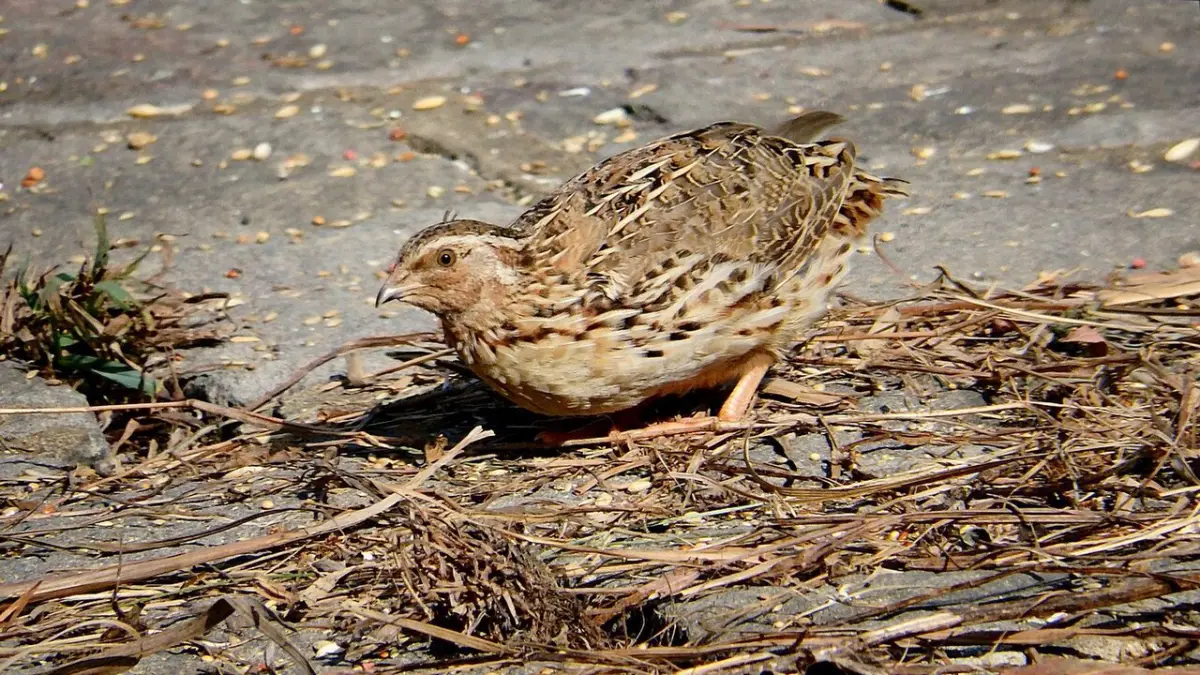
My first quail cage setup was a rabbit hutch, a chicken feeder, and a bowl of water. Within a week the feed was half gone into the bedding, the water bowl was a soup of droppings, and one hen had laid an egg directly in it. None of that was the birds’ fault. It was mine, because I bought gear for the wrong species.
This is the complete equipment checklist I wish I had before I spent that first hundred dollars. Everything on it earns its spot. I will also tell you what to skip, because half the “quail starter kits” out there are padding.
What does a complete quail cage setup actually need?
Seven things. Here is the whole list in one table, then I will go through each item and what to look for.
| Item | What to get | Rough priority |
|---|---|---|
| Cage or hutch | 1 sq ft per bird, 10 to 12 in tall | Non-negotiable |
| Floor wire | 1/2 in x 1/2 in galvanized hardware cloth, 19 gauge | Non-negotiable |
| Feeder | Port-style or no-waste bucket feeder | Non-negotiable |
| Waterer | Automatic cups or nipples, not an open bowl | Non-negotiable |
| Dropping trays | Slide-out pans under the wire floor | Non-negotiable |
| Dust bath | A tub of washed sand, offered a few times a week | Strongly recommended |
| Supplemental light | Cheap LED on a timer, 14 to 16 hours total | Only if you want winter eggs |
If you have those seven handled, your birds are set. Everything else is convenience.
The cage: size and height first, features second
The rule that governs everything else: 1 square foot of floor space per bird, minimum. The poultry extension service backs that number, and my own birds confirm it. Crowd them tighter and you get feather picking within weeks.
Height is the counterintuitive one. Coturnix flush straight up when startled. In a cage 2 to 4 feet tall they hit full speed before they hit the ceiling, and that is how you get head injuries. So you either keep the ceiling low, 10 to 12 inches, so they never build momentum, or you go 6 feet plus in an aviary so they never reach it. Never the middle.
I run stacked rollaway cages and think they are the best value for most keepers. I compared every style I have owned in my quail cage buying guide, and the exact floor space math is in the cage size guide, so I will not repeat it all here.
Floor wire: the one place you should not improvise
If you are building or repairing a cage, the floor is 1/2 inch by 1/2 inch galvanized hardware cloth, 19 gauge. The openings are small enough to support quail feet but large enough that droppings fall through to the tray. Chicken wire is wrong twice over: the holes let feet fall through, and raccoons can tear it open like a bag of chips.
 SEBOSS 1/2 inch hardware cloth, 19 gauge. Hot-dip galvanized after welding, so the cut joints do not rust the way cheaper rolls do. One roll floors a lot of cage and doubles as predator-proofing for windows and vents.
Which feeder wastes the least feed?
Quail are champion feed flingers. An open trough loses a shocking share of your feed bill to the bedding, and feed is your biggest recurring cost by a wide margin.
The fix is a port feeder: a bucket or bin with small round openings the birds reach into. They can eat but they cannot rake. Screw a set of ports into any food-safe bucket and you have a feeder that holds days of feed and spills almost nothing.
 No-Waste Feeder Ports (4-Pack) Bucket-mount feeder ports that turn any bucket into a no-waste feeder. A DIY bucket build costs a fraction of a commercial no-waste feeder.
Cups, nipples, or an open fount for water?
Open water containers are the first thing to remove from any quail cage setup. Quail foul standing water within hours, and damp bedding breeds everything you do not want.
Automatic cups are my pick. A small float valve releases water when the bird pecks the cup, so the water stays clean and full. Nipple valves work too and stay even cleaner, but some birds take longer to learn them, and in freezing weather cups are easier to keep thawed. Either connects to a bucket with cheap tubing, which turns daily watering into a weekly refill.
 Automatic quail water cups, 12 pack. Float-style cups that screw into a bucket or PVC line. Twelve cups will outfit several cages, and spares matter because a lost float is a dry cage.
Trays, bedding, and the five-minute clean
A wire floor only pays off if there is a slide-out tray underneath. Line trays with pine shavings, hemp, or even newspaper to soak up moisture, then dump the whole thing weekly. My full cleaning routine is five minutes per cage, and the tray is the entire reason.
Skip cedar shavings, the aromatic oils irritate bird airways. Skip cat litter. Plain pine is cheap and fine.
Do quail need a dust bath?
Need is a strong word, but I have never seen quail happier than the moment a sand tub hits the cage floor. Dust bathing is how they keep mites off and feathers conditioned. A plastic dishpan with 2 inches of washed play sand, offered two or three times a week, does the job. Leave it in permanently and they will lay eggs in it and kick sand into everything, so I rotate it in and out.
Lighting: the difference between winter eggs and no eggs
Coturnix hens need 14 to 16 hours of light a day to lay consistently. From October to February, natural daylight alone will not get there in most of the country, and production falls off a cliff. A basic LED bulb on a five-dollar outlet timer, set to switch on before dawn and top the day up to 14 hours, keeps hens laying most of the winter. Give them a real dark period overnight, 8 hours minimum, they are not machines.
What can you skip?
Perches, nest boxes, and swings: quail are ground birds and will ignore all three. A nest box in a cage stays empty while the hen lays next to the feeder. Heaters: fully feathered adults handle cold far better than heat, and a heat lamp in a dusty cage is a fire waiting for a date. The one heat purchase that does make sense is a brooder plate for chicks, and that belongs to the brooder, not the cage. Elaborate cage carpets and mats: they trap droppings and defeat the whole wire-floor system.
The short version
- Space: 1 square foot per bird, minimum.
- Height: 10 to 12 inches, or 6 feet plus in an aviary. Never in between.
- Floor: 1/2 inch by 1/2 inch galvanized hardware cloth, 19 gauge.
- Feeder: port-style bucket feeder, one port per 4 to 5 birds.
- Water: automatic cups or nipples fed from a bucket, never an open bowl.
- Waste: slide-out trays under the wire with pine shavings, cleaned weekly.
- Dust bath: a pan of washed sand offered 2 to 3 times a week.
- Light: 14 to 16 hours daily for consistent laying, on a timer, with 8 hours of darkness.
Buy it once, buy it right
That is the whole quail cage setup: seven items, most of them cheap, all of them boring and essential. The expensive mistakes come from substituting chicken gear or improvising with bowls. Get the cage and floor right, put ports and cups on buckets, add a timer, and the daily routine shrinks to minutes.
If the birds are living outside, the outdoor hutch roundup covers weatherproof housing that follows these same rules. And if you have not picked up birds yet, my complete beginner’s guide to raising coturnix quail covers everything after the cage is built.