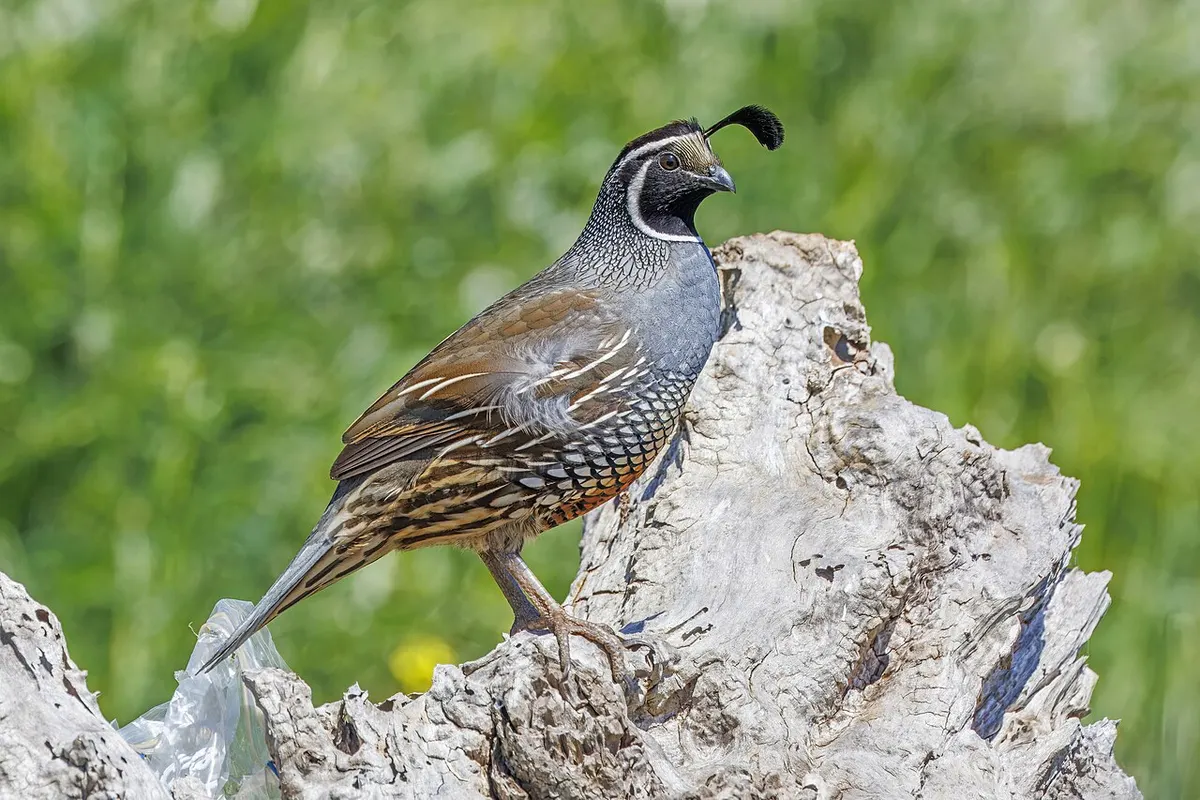
I hear from more California readers than from any state except Texas, and the question is almost always the same: “I called animal control and they didn’t know what to tell me, is this even legal here?” The confusion makes sense. California has a native quail on its state seal practically, and that fact alone convinces a lot of people that keeping quail must be either completely restricted or completely fine. Neither is true, and the two halves of that confusion actually point at two different birds.
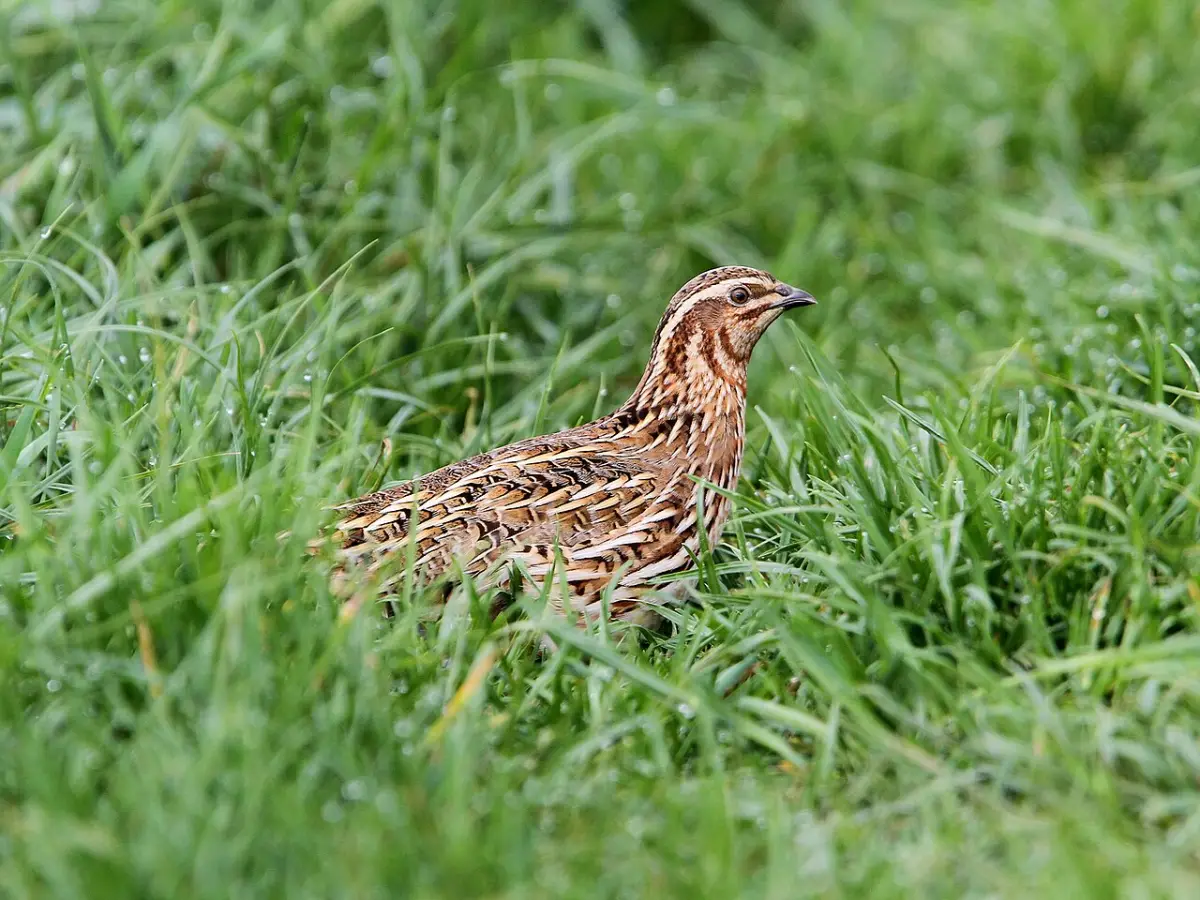
Here’s the short version. Coturnix, the bird almost everyone in this hobby actually keeps, isn’t managed as a game species by California at all, so there’s no state permit standing between you and a backyard cage. Your city is where the real rules live, and Los Angeles, San Diego, San Francisco, Sacramento, and Fresno each handle backyard poultry differently enough that “California allows it” doesn’t tell you much about your specific address.
Are quail legal in California? What the state actually regulates
California is home to three native quail species: California quail (the state bird), Gambel’s quail, and mountain quail. The California Department of Fish and Wildlife (CDFW) addressed exactly this question in its own Q&A column, and the line it draws matters. Per Fish and Game Code section 3200, a Domesticated Game Breeder’s License is generally required for anyone who keeps captive game birds that “normally exist in the wild” in California, if the birds are held more than 30 days after you acquire them. That covers the three native species by name.
Coturnix, also called Japanese quail, doesn’t clear that bar. CDFW says it directly: because coturnix don’t exist in the wild in California, “CDFW does not manage the species as a game bird” and it isn’t listed under the Domesticated Game Breeder’s License at all.
| Species | State permit required | License |
|---|---|---|
| California quail (native) | Yes | Domesticated Game Breeder’s License |
| Gambel’s quail (native) | Yes | Domesticated Game Breeder’s License |
| Mountain quail (native) | Yes | Domesticated Game Breeder’s License |
| Coturnix / Japanese quail (non-native, domesticated) | No | Not managed as a game bird |
CDFW’s page closes with a line that’s easy to miss but does a lot of work: “please review local municipal codes and laws, and zoning regulations, regarding keeping and raising any domestic fowl, including quail.” That’s the state itself telling you the state isn’t where this gets decided. Your city is.
City rules: Los Angeles, San Diego, San Francisco, Sacramento, Fresno
This is where California quail keeping actually gets decided, and like every state I’ve covered, none of these five cities name quail specifically in their poultry codes. You’re applying a chicken ordinance, written by people picturing a chicken, to a bird a quarter the size that makes a fraction of the noise. Call your city’s code compliance or animal services office and describe exactly what you want to keep before you build anything.
| City | Limit without a permit | Roosters | Setback | Source |
|---|---|---|---|---|
| Los Angeles | No fixed numeric cap in residential zones (zoning-dependent) | Allowed | 25 ft from owner’s dwelling, 35 ft from any other residence | LAMC Article 3, Animals and Fowls |
| San Diego | 5 birds outside setbacks; up to 15 with a coop 15 ft from property lines; up to 25 at 50+ ft from any residence | Not permitted | 5 ft from side lines, 13 ft from rear line for a 5-bird coop | Municipal Code § 42.0709 |
| San Francisco | 4 hens as household pets, more requires a permit | Not permitted | 20 ft from any door or window, 5 ft from side or rear property lines | San Francisco Health Code / Animal Care and Control |
| Sacramento | 6 hens on residential property | Not permitted | 15 to 20 ft from neighboring buildings | City of Sacramento Municipal Code |
| Fresno | Up to 6 birds, but only in zones that allow poultry at all, most standard residential zones don’t | Not permitted | 20 ft from neighboring homes, 5 ft from side or rear property lines | Fresno Code of Ordinances, Ch. 10 |
A few things stand out once you line these up. San Diego is the most generous on paper if your lot has room, its tiered system rewards a coop set well back from the property line with a much higher bird count. San Francisco and Sacramento cap you at 4 and 6 respectively regardless of lot size, which is plenty for a small coturnix setup but worth knowing before you plan a bigger flock. Fresno is the trap: the city technically allows up to 6 birds, but that number only applies in zones where poultry is permitted at all, and most standard single-family residential parcels inside city limits aren’t one of them. Los Angeles doesn’t set a flat number, but its setback distances (25 and 35 feet) are hard to hit on a standard city lot, so the effective limit there is often geography, not a written cap.
None of these five ordinances distinguish a coturnix from a Leghorn hen. A rollaway cage of six female coturnix produces less noise, less odor, and less visible footprint than the two or three chickens most of these codes were written to accommodate, and a specific, polite call describing exactly that setup usually gets you a clearer, friendlier answer than the raw code text suggests.
What your HOA can still block
City code is only two-thirds of the picture. If you’re in a homeowners association, its CC&Rs function as a private contract, and California law doesn’t require an HOA to follow city poultry rules just because the city allows backyard birds. A covenant banning “livestock,” “poultry,” or “farm animals” controls your property even where LA, San Diego, or Sacramento would otherwise say yes. Pull your CC&Rs and search those exact terms, since some documents only name dogs and cats and leave quail technically unaddressed, which is worth flagging to your HOA board directly rather than assuming. I go through how to read a covenant and what a state right-to-farm law does and doesn’t reach into in are quail legal in your city, which is worth reading alongside this one if you’re in a deed-restricted California neighborhood.
The quick answers
Native California quail species (California, Gambel’s, and mountain quail) require a Domesticated Game Breeder’s License under Fish and Game Code section 3200.
Coturnix quail (Japanese quail) are not managed as a game bird by CDFW and require no state permit.
You cannot trap wild California quail to start a flock, even with a license, native birds must come from another licensed breeder.
Los Angeles sets no flat numeric limit but requires 25 to 35 foot setbacks that are hard to hit on a standard lot.
San Diego allows 5 birds outside setbacks, scaling up to 25 with more distance from residences.
San Francisco caps household-pet poultry at 4 hens without a permit; Sacramento caps at 6.
Fresno technically allows up to 6 birds, but only in zones where poultry is permitted, which excludes most standard residential parcels.
No major California city ordinance currently names quail specifically, so confirm with your local code compliance office before building a cage.
HOA covenants can still ban quail even where state law and city code both allow them.
This isn’t legal advice, and codes change. Confirm the current rule with CDFW and your own city before you commit to a setup.
If you’ve confirmed you’re clear to keep birds, how to raise coturnix quail walks through the basics of getting started, and how many quail should you start with will help you land on a flock size that fits comfortably under whatever limit your city sets.