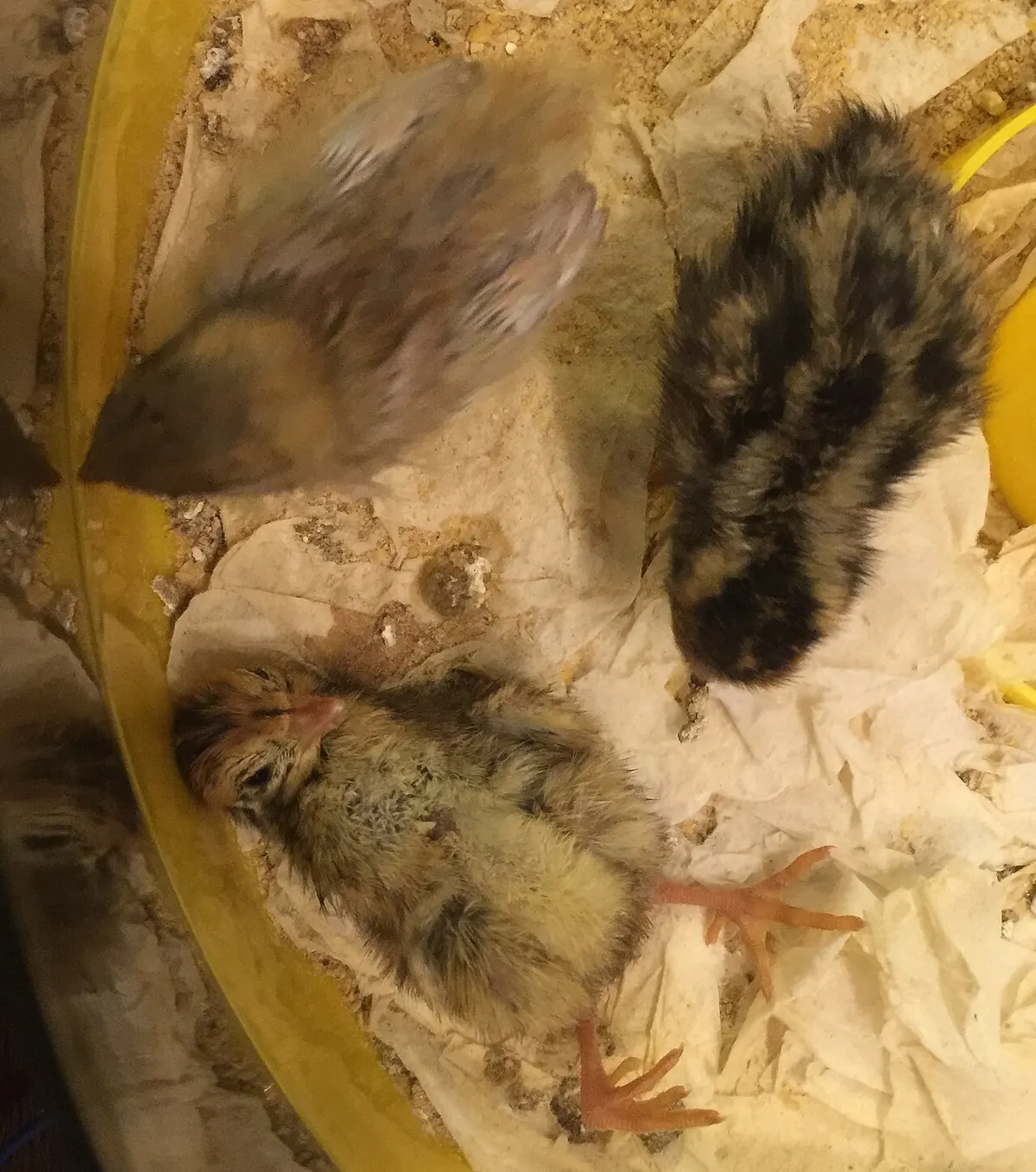
I get asked about Texas more than any other state, probably because so many of my readers are homesteading on a quarter acre outside Houston or San Antonio and assume “Texas” means no rules at all. It mostly does, at the state level. Where it gets specific is your city code, and that part changes block by block.
Here’s the short version. Coturnix, the quail almost everyone in this hobby actually keeps, aren’t regulated as game birds by the state of Texas at all. Your city is a different story: Houston, Dallas, Austin, San Antonio, and Fort Worth each write their own backyard poultry rules, and none of them mention quail by name, which means you’re often applying a chicken ordinance to a bird nobody who wrote it was thinking about.
Are quail legal in Texas? What the state actually regulates
Texas Parks and Wildlife Department keeps a specific list of species that require a Commercial Game Bird Breeder’s License to possess, propagate, or sell. I pulled it straight from TPWD’s own licensing page, and coturnix isn’t on it.
| Requires a TPWD game bird breeder license | Does not require one |
|---|---|
| Wild Bobwhite Quail | Pharaoh Coturnix, Japanese Quail (all non-native quail) |
| Wild Scaled Quail | Peafowl |
| Wild Gambel’s Quail | Guineafowl |
| Wild Mearn’s Quail | Domestic Turkey (Bronze, Bourbon Red, etc.) |
| Wild Turkey, ducks, geese, doves, and other native game birds |
TPWD’s own wording is blunt about it: birds that don’t require a license “include, but are not limited to: All non-native quail species (Pharaoh Coturnix, Japanese, Mountain, California, etc.).” The department draws its line at native versus non-native, not at what genus the bird belongs to. Coturnix japonica evolved in Asia, has been domesticated for roughly a thousand years, and has no wild population in Texas to manage, so the state treats it more like a chicken than a wild game bird.
Does the Texas “right to farm” law cover quail?
Texas passed House Bill 1750 in 2023, and it’s worth knowing about even though it’s not a clean yes for quail. The bill amended the Agriculture Code’s definition of a protected “agricultural operation” to include raising or keeping livestock or poultry, and it limits how much a city can restrict that operation once it qualifies. It’s the reason several Texas cities, Dallas included, can no longer flatly ban roosters the way some of their old codes tried to.
Where it gets murky for quail keepers specifically is the word “poultry.” Texas regulatory language elsewhere treats poultry and domesticated game birds as separate categories, and I couldn’t find language in HB 1750 or the underlying Agriculture Code that explicitly folds quail into the poultry definition the way it clearly covers chickens. My honest read is that a keeper with a small coturnix setup is probably operating in the spirit of what HB 1750 protects, but “probably” isn’t the same as a guarantee your specific city will agree, especially since no test case involving quail has been reported. Don’t lean on this law by itself if your city’s poultry rules are unclear; use it as backup, not your whole argument.
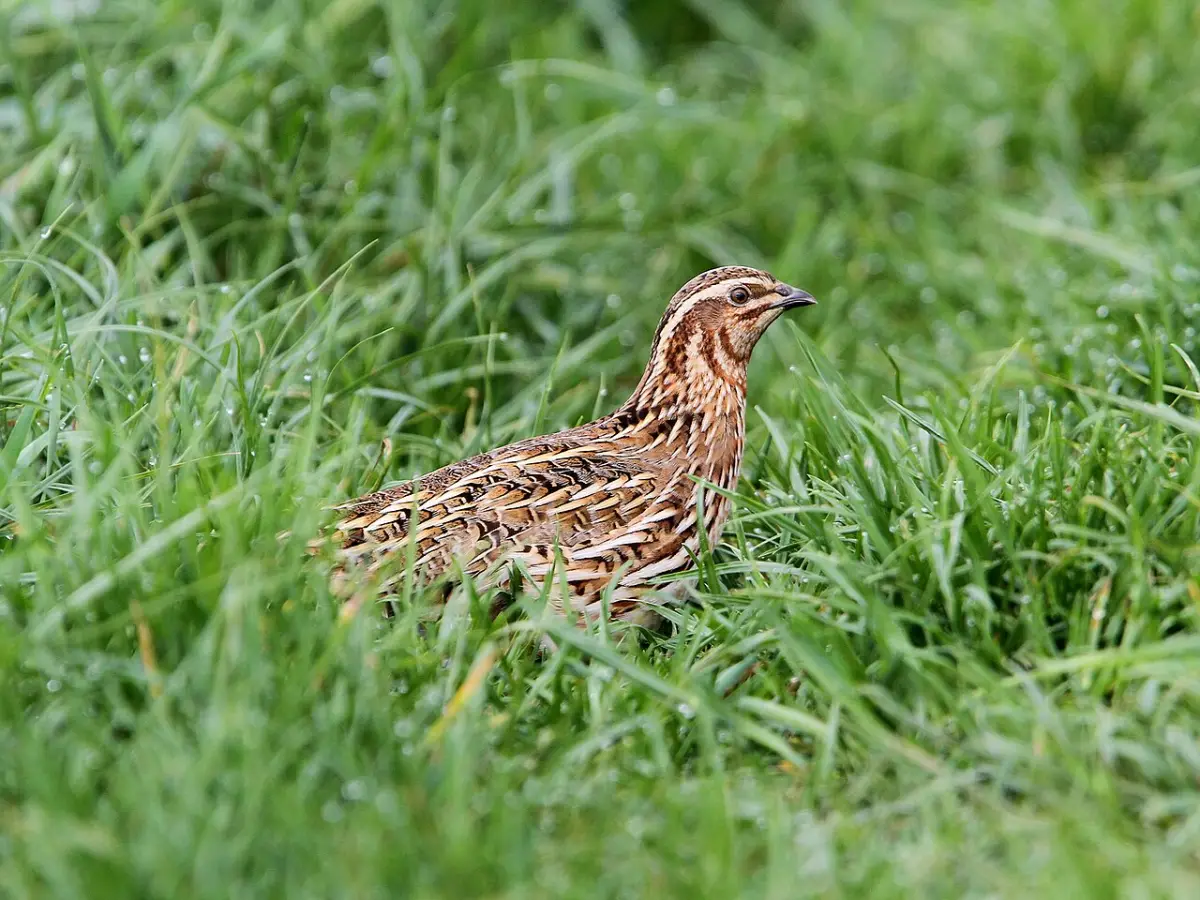
City rules: Houston, San Antonio, Austin, Dallas, Fort Worth
This is the layer that actually trips people up, because every one of these codes was written with chickens in mind and quail get swept in under “fowl” or “domestic fowl” without anyone naming them specifically. Call your city’s code compliance office and ask about quail directly before you build anything; don’t assume a chicken ordinance definitely applies to you.
| City | Limit without a permit | Roosters | Setback | Source |
|---|---|---|---|---|
| Houston | Up to 30 birds | Not permitted | 100 ft from a neighboring dwelling, church, school, or hospital | Code of Ordinances, Ch. 6 |
| San Antonio | Up to 8 domestic fowl | 1 rooster included in the 8 | 50 to 100 ft for larger flocks under an excess animal permit | Code of Ordinances § 5-107 |
| Austin | No citywide numeric limit | Allowed | Coop maintenance standards apply, no fixed distance rule | City of Austin code |
| Dallas | Allowed under urban garden rules | Allowed since HB 1750 took effect | No fixed statewide distance found; check current code | Development Code § 51A-4.201 |
| Fort Worth | 12 birds on a half acre or less, 25 up to one acre, 50 on a full acre or more | Up to 2 | 50 ft from any regulated structure (another home, school, restaurant, daycare, and similar) | City of Fort Worth code compliance |
A few things stand out once you line these up. Houston’s 100-foot setback is the one that actually stops most in-town keepers, since it’s hard to hit on a standard city lot no matter how few birds you want. San Antonio’s cap is the lowest of the five major cities, but it comes with the clearest, most specific code section of the bunch, which makes it easy to confirm you’re compliant. Austin remains the most permissive on paper, with no hard number to bump into. Fort Worth scales its limit to lot size rather than setting one flat number, which rewards keepers on bigger suburban lots.
None of these five cities name quail, and coturnix are small and quiet enough that most code compliance officers have never been asked the question before you called. That’s an advantage, not a red flag: a specific, polite call describing exactly what you want to keep (“six female coturnix in a rollaway cage under four feet”) usually gets you a clear answer, sometimes friendlier than the chicken rule on paper suggests, since a handful of quail in a cage looks nothing like 30 free-ranging hens.
What your HOA can still block
City code and state law are only two of the three rulebooks, and for a lot of Texas suburbs, the HOA is the one that actually decides it. Nothing above overrides a covenant that bans “livestock,” “poultry,” or “farm animals” on your lot, HB 1750 included, since that law limits city government, not private contracts. I go through how to read your CC&Rs and what a state right-to-farm law does and doesn’t reach into in are quail legal in your city, which is worth reading alongside this one if you’re in a deed-restricted neighborhood anywhere in Texas.
The quick answers
Coturnix quail (Pharaoh, Japanese, and other domesticated varieties) do not require a TPWD Commercial Game Bird Breeder’s License in Texas.
Native Texas quail, bobwhite, scaled, and Gambel’s, do require a state game bird breeder license to possess, propagate, or sell.
Texas HB 1750 (2023) protects poultry-keeping as an agricultural operation from most city restrictions, but it’s unclear whether “poultry” under that law is understood to include quail.
Houston allows up to 30 birds with no roosters and a 100-foot setback from neighboring structures.
San Antonio allows 8 domestic fowl, including 1 rooster, without a permit.
Austin sets no citywide numeric limit on backyard poultry.
Fort Worth scales its limit by lot size, from 12 birds on a half acre up to 50 on a full acre, with up to 2 roosters.
No major Texas city ordinance currently names quail specifically, so confirm with your local code compliance office before you build a cage.
HOA covenants can still ban quail even where state law and city code both allow them.
This isn’t legal advice, and codes change. Confirm the current rule with TPWD and your own city before you commit to a setup.
If you’ve confirmed you’re clear to keep birds, how to raise coturnix quail walks through the basics of getting started, and how many quail should you start with will help you land on a flock size that fits comfortably under whatever limit your city sets.