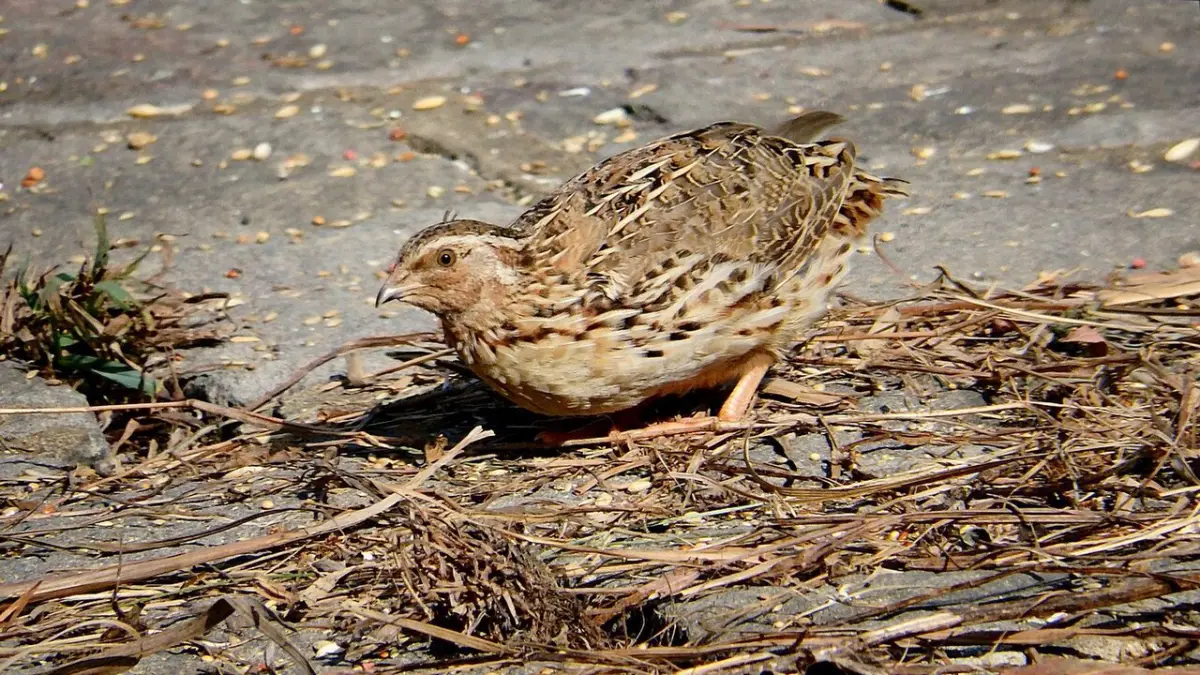
My birds went through their first real cold snap two winters ago, an eight day stretch that never got above 20°F, and I spent the first two nights convinced I was going to open the coop to a tragedy. I didn’t. Coturnix are tougher than they look. What actually threatens a quail in winter isn’t the thermometer, it’s wet bedding, a shelter that traps damp air instead of blocking wind, and a water cup that’s been frozen solid since 4 a.m.
This is the winter setup I run now, after three cold seasons of adjusting it. It costs less than you’d think and most of it doubles as good management the rest of the year too.
How cold is actually too cold for quail?
Healthy adult coturnix can handle temperatures well below freezing, some keepers report birds doing fine down to 0°F and even colder, as long as three things are true: the bedding is dry, the shelter blocks direct wind, and the birds were allowed to acclimate gradually rather than moved straight from a warm garage into a cold snap. A dry, still 10°F day is easier on a quail than a windy, wet 28°F day. Dampness and drafts at bird level are what actually cause trouble, not the number on the thermometer.
If your birds have spent the fall outside and the temperature is dropping in normal seasonal steps, you likely don’t need to do anything dramatic. If you’re moving quail outdoors for the first time this winter, start when daytime highs are still in the 40s or 50s so they have weeks to build up a full set of feathers and adjust their metabolism before a hard freeze hits.
Do quail need a heater in winter?
No, and a heat lamp inside a small coop or aviary is genuinely one of the more common ways backyard keepers start a fire. Adult quail generate enough body heat to stay warm in a deep bed of hay or straw, and heat lamps also stop birds from acclimating naturally, which means a power outage or bulb failure can be more dangerous to a “heated” flock than to one that’s already cold-adapted. Save the heat lamp for day-old chicks in a brooder, not adult birds in a coop. Chicks and adults have very different heat needs.
What actually matters for winter housing is ventilation and dryness, not heat. Aim for roughly 1 square foot of ventilation opening per 10 square feet of floor space, positioned high on the structure so moist air escapes without creating a draft down at bird level. A sealed-up coop traps ammonia and humidity, and damp air at 30°F does more damage to a quail’s respiratory system than dry air at 10°F.
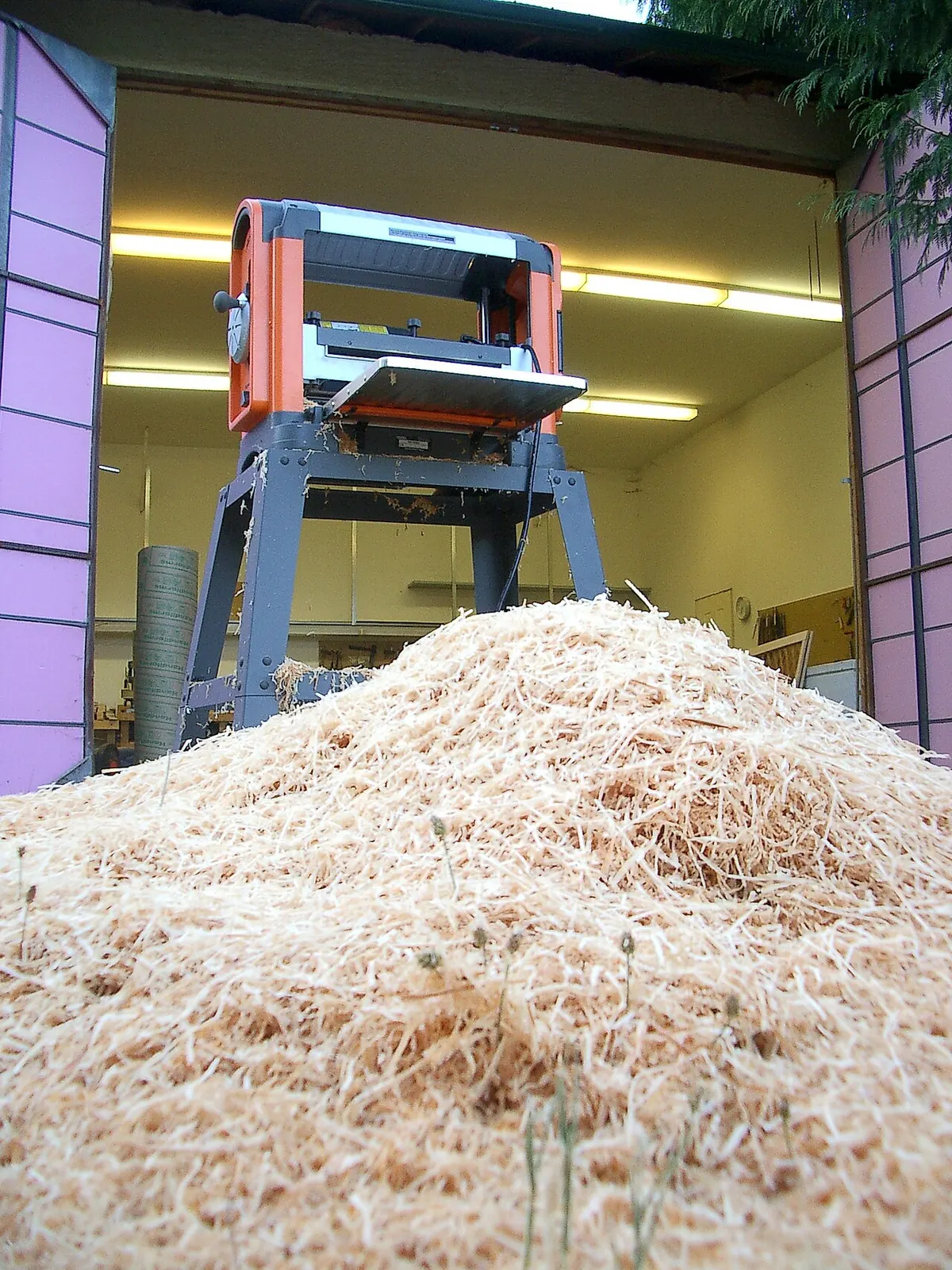
Building a deep litter base for insulation
Deep litter is the single change that made the biggest difference in my setup. Instead of stripping the bedding down to bare floor every week, add a fresh 2 to 3 inch layer of pine shavings or straw on top of what’s already there, stirring occasionally to keep it from matting. Left alone, the bottom layers start to compost gently, and that low-level microbial activity generates a small but real amount of warmth right where the birds are standing. By December mine is 6 to 8 inches deep in the coop, and I do a full clean-out in spring rather than fighting it all winter.
Straw traps more air and insulates slightly better than shavings for a static deep litter base, but shavings compost faster and control odor better in a small space. I run a straw-heavy mix in the coldest months and switch back to mostly shavings once things thaw.
Keeping water from freezing
This is the actual hard part of winter quail care, harder than heat or bedding. Quail dehydrate fast, and a solid block of ice by mid-morning does nothing for them. A few approaches, roughly in order of effort:
- Swap water twice a day. Check first thing in the morning and again in the late afternoon during hard freezes. This works fine down into the 20s but becomes a real chore below that.
- Rotate two waterers. Keep a spare indoors, swap the frozen one out, let it thaw, repeat. Cheap, but it means someone has to be home and paying attention.
- Add a heated base. A thermostat-controlled heated waterer base keeps a standard fount from freezing down to well below 0°F and only draws power when it actually needs to, which is the least fussy option if your coop has an outdoor-rated outlet nearby.
 Heated Poultry Waterer Base, 125W. Sits under a standard metal or plastic fount and keeps water from freezing in temperatures well below 0°F, with a built-in thermostat so it only draws power when the water actually needs it. This is the piece of equipment I wish I'd bought before my first real cold snap instead of after it.
Whatever method you use, keep the waterer up off the coldest part of the floor and out of direct wind, both of which speed up freezing on their own.
Feeding for winter
Cold weather burns more calories just to maintain body temperature, so don’t cut back on feed in winter, if anything expect birds to eat a bit more. Keep adult layers on a balanced layer feed in the 17 to 20 percent protein range rather than switching to a lower-protein maintenance ration; egg production and cold tolerance both draw on the same nutritional reserves. A small scoop of scratch grain or black oil sunflower seed in the late afternoon gives birds something to digest overnight, which produces a bit of extra metabolic heat while they roost.
Will your quail still lay eggs in winter?
Probably not without help. Egg laying is triggered primarily by day length, not temperature, and as natural daylight drops below roughly 12 hours, most coturnix hens slow down or stop laying entirely regardless of how warm their coop is. This is a completely normal seasonal pause, not a sign anything is wrong.
If you want eggs through the winter, add supplemental light on a timer so the birds get a consistent 14 to 16 hours of light per day. Add light in the morning, before natural sunrise, rather than extending the evening, and let the birds go to roost naturally as it gets dark. Increase the schedule gradually, in 15 to 30 minute steps, rather than jumping straight to 16 hours, and use a low-watt LED rather than anything that runs hot. A basic digital outlet timer is the whole system, plug the coop light into it and set the schedule once.
 BN-LINK 7-Day Digital Outlet Timer. Plug the coop light into one outlet, set it to come on before sunrise and cut off after natural sunset, and the flock gets a steady photoperiod without anyone remembering to flip a switch. Battery backup keeps the schedule through a brief power outage.
Whether to push for winter eggs is partly a judgment call. Some keepers let hens rest through the darkest months on the theory that a break improves shell quality and longevity the following year. I split the difference: modest supplemental light to keep a few eggs coming, without pushing for the full 16 hour, maximum-production schedule I’d run in summer.
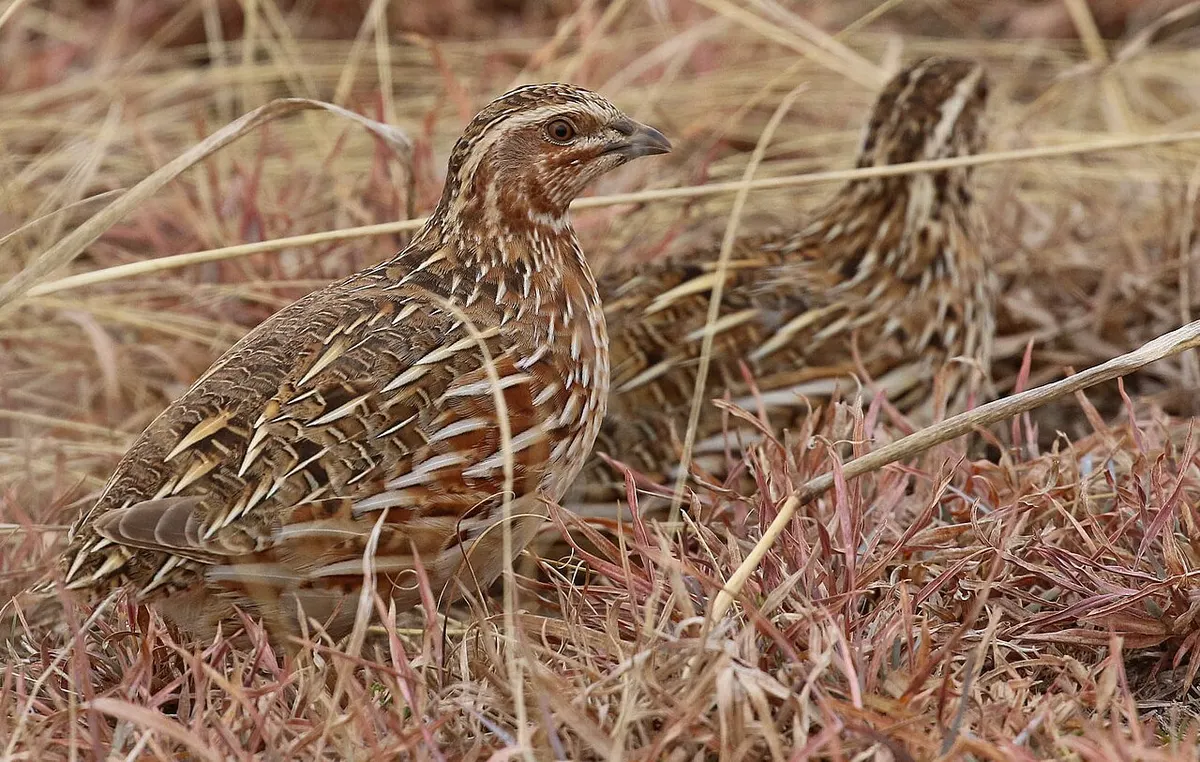
Winter housing checklist at a glance
| Concern | What actually helps | What doesn’t |
|---|---|---|
| Cold air | Draft-free shelter, deep litter bedding | A heat lamp near adult birds |
| Damp air | Roof-level ventilation, dry bedding | Sealing the coop completely shut |
| Frozen water | Heated waterer base, or twice-daily swaps | Letting a fount sit overnight below freezing |
| No eggs | 14 to 16 hours of light on a timer | Extending evening light instead of morning light |
| Low energy | Higher-protein layer feed, evening scratch | Cutting back feed to save money |
The quick answers
Adult coturnix quail can tolerate temperatures down to 0°F or lower with dry, draft-free shelter. Dampness and wind chill are more dangerous than cold air alone. Adult quail do not need supplemental heat; heat lamps are a fire risk and prevent natural cold acclimation. Egg laying drops as day length falls below about 12 hours of light, independent of temperature. Supplemental lighting of 14 to 16 hours per day, added in the morning on a timer, will bring most hens back into production. Water needs the most active management in winter, since a frozen fount can leave birds without water for hours. Ventilation should sit high on the structure, roughly 1 square foot per 10 square feet of floor space, to clear moisture without creating a draft at bird level.
Related reading: cage size and space requirements, outdoor hutches built for year-round weather, and what to feed quail at every life stage.
For more on general cold-weather poultry management, the University of Minnesota Extension’s guide to caring for chickens in cold weather covers ventilation and housing principles that apply directly to quail. For the lighting math behind winter egg production, University of Maine Cooperative Extension’s bulletin on lighting for small-scale flocks is the clearest breakdown I’ve found.