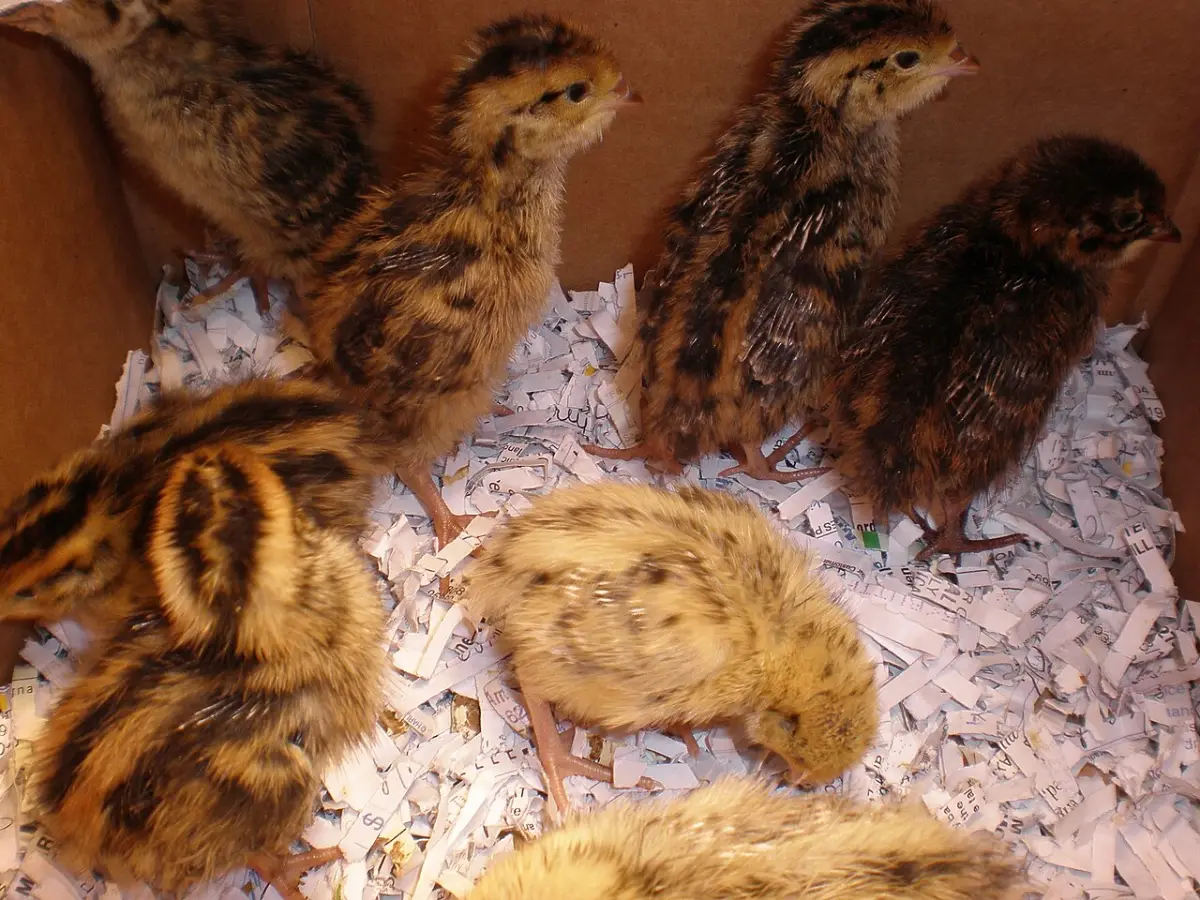
I started raising Coturnix for eggs. The meat side happened by accident, the way it does for most people: I hatched too many, ended up with a pile of extra roosters I couldn’t house, and had to decide whether they were going in the stew pot or on Craigslist. I picked the stew pot. Four years and probably 300 birds later, here’s what raising quail for meat actually costs, how much food you get per bird, and where it beats (and loses to) a backyard chicken.
How fast do meat quail actually grow?
Jumbo Coturnix are the standard meat breed, and they grow fast. Chicks hit six weeks old around 7 to 9 ounces live weight, which is processing size for a standard bird. If you want bigger carcasses, jumbo lines keep packing on weight through 8 to 10 weeks, topping out around 10 to 14 ounces live before growth slows and the meat starts toughening up.
That’s the whole grow out. Compare that to a Cornish Cross broiler chicken at 8 weeks, or a dual purpose chicken breed that needs 16 to 24 weeks to fill out. Quail get you from hatch to freezer in under two months, which is why so many small operations use them to keep a steady meat supply without the space a chicken flock needs.
The tradeoff is size. One quail carcass runs 4 to 6 ounces of usable meat, dressed out at roughly 70 to 75% of live weight. That’s two to three birds per pound. You are not feeding a family of four off one quail the way you might off one chicken thigh.
What does it cost to raise a quail for meat?
Chicks or hatching eggs run $1 to $4 per bird depending on where you buy and whether you’re hatching your own. Feed is the bigger line item. A quail eats 14 to 28 grams of feed a day and reaches processing weight on roughly a pound to a pound and a half of total feed over its six to eight week life, at a feed conversion ratio around 3:1. At current game bird feed prices, that puts feed cost per bird somewhere around $1.50 to $3.
Add in bedding, heat lamp electricity for the brooder weeks, and a little for mortality (budget 5 to 10% loss even in a good setup), and most people land between $3 and $6 all in per bird before processing labor. That’s not counting your own time, which is the real cost with quail, more on that below.
If you’re hatching your own breeding stock to feed the pipeline, a cabinet incubator pays for itself fast once you’re running batches instead of one-off hatches. I run mine year round and it’s cut my per-chick cost roughly in half compared to buying day-old chicks every time.
 Harris Farms Nurture Right 360 Incubator. Holds 22 quail eggs (or fewer, larger eggs) with a built-in auto turner and clear dome for watching hatch day. This is the incubator I recommend most for anyone hatching their own meat stock instead of buying chicks every batch.
Feed conversion: how quail stack up against chicken
This is the number that actually sells people on quail. Broiler chickens need roughly 2 to 2.4 pounds of feed per pound of live weight gained. Quail run closer to a 3:1 ratio on paper, which sounds worse, but the comparison misses the bigger picture: quail hit market weight in a third of the time, on a fraction of the total feed volume, in a fraction of the floor space. A chicken tractor holding 10 broilers takes up the same footprint as a rollaway cage holding 40 to 50 quail.
| Jumbo Coturnix Quail | Broiler Chicken (Cornish Cross) | |
|---|---|---|
| Time to processing weight | 6 to 10 weeks | 7 to 9 weeks |
| Live weight at processing | 10 to 14 oz | 5 to 6 lb |
| Dressed meat per bird | 4 to 6 oz | 3.5 to 4.5 lb |
| Feed conversion ratio | ~3:1 | ~2 to 2.4:1 |
| Space per bird | ~1 sq ft | 2 to 4 sq ft |
| Cost per bird, feed + chick | $3 to $6 | $8 to $15 |
Chickens win on total meat per unit of your labor and per feed dollar spent, hands down. Quail win on speed, space, and the ability to keep a rolling supply going in a garage or small backyard where a chicken setup wouldn’t fit at all. Pick your animal based on which constraint you’re actually working around.
Processing: the part nobody warns you about
Here’s the honest downside. Processing ten quail takes longer than processing one chicken, and you end up with roughly the same amount of usable meat either way. Small hands, small joints, small feathers that don’t pluck as cleanly as a chicken’s. My first batch of 20 took most of an afternoon. Now that I’ve got a rhythm and a proper kill cone sized for birds this small, I can get through 20 birds in under two hours, but there’s no getting around the fact that quail processing is fiddly work.
A dedicated quail-sized processing cone makes a real difference over improvising with chicken equipment. Chicken cones are too big, the bird can turn around inside them, which stresses the bird and slows you down.
 Hatching Time Quail-Size Processing Cone. Sized specifically for quail, dove, and other small game birds under 1.5 lb, restraining the bird properly for a quick, clean process instead of the bird twisting loose the way it will in an oversized chicken cone.
Most home flock owners hand-pluck or skin quail rather than running them through a mechanical plucker, since a plucker sized for chickens tends to tear quail skin. Skinning is faster if you don’t care about crispy skin on the finished bird; plucking takes longer but gives you a better roasting bird. I skin about half of mine and pluck the other half depending on how I plan to cook them.
If you’re selling the meat rather than eating it yourself, check your state’s poultry exemption rules before you take a single order. Most states allow small-scale on-farm slaughter and direct sale under a bird-count exemption without a USDA inspector present, but the thresholds and paperwork vary a lot by state, and quail sold to a restaurant or retailer usually needs to clear a higher bar than quail sold direct to a neighbor.
Getting chicks off to a strong grow out
However you get your chicks, whether hatched or shipped, the first two weeks in the brooder decide how well they finish. A stable heat source that doesn’t force chicks to huddle or scatter matters more for meat birds than for layers, since every day of stress is a day of slowed growth you’re paying feed for.
 RentACoop 12x12" Adjustable Heating Plate. Radiant heat instead of a heat lamp, which cuts fire risk and keeps chicks from crowding into corners. Adjustable legs let you raise it as the chicks grow, and it's sized right for a batch of 15 to 20 quail chicks.
Is it worth it?
Depends what you’re comparing it to. Against buying meat at the grocery store, no, quail meat is a specialty product, not a cost-saving one, you’re not beating a $2 a pound chicken thigh on price. Against raising chickens in a space that can’t fit a chicken setup, yes, quail let you keep a rolling meat supply in a garage, basement, or small city lot where chickens aren’t an option or aren’t legal. Against buying quail meat retail, where whole dressed birds run $10 to $20 at specialty markets and restaurants, raising your own is a clear win if you’re going through more than a handful a month.
The people who stick with it long term usually aren’t doing it to save money. They’re doing it because six week batches mean fresh meat on a predictable schedule, because the birds take almost no space, or because they’ve got a restaurant or farmers market connection that pays a premium for a product most competitors can’t supply consistently.
The quick answers
Jumbo Coturnix reach processing weight at 6 to 10 weeks old, depending on target size. A dressed quail yields 4 to 6 ounces of usable meat, about 70 to 75% of live weight. Feed conversion runs close to 3:1, worse than a broiler chicken’s 2 to 2.4:1, but total feed volume per bird is a fraction of what a chicken eats. Total cost per bird, chick or egg plus feed, typically runs $3 to $6 before processing labor. Ten quail take noticeably longer to process by hand than one chicken for roughly the same amount of finished meat. Most states allow small-scale on-farm poultry slaughter for direct sale under a bird-count exemption, but rules vary, check your state’s agriculture department before selling.
For a deeper look at what a full setup costs before you factor in meat production specifically, see our cost breakdown for raising quail. If you’re starting from eggs, our incubation guide and brooder setup guide cover the two weeks that matter most for a strong grow out. And if you’re still deciding which quail species fits your goals, button quail versus Coturnix covers why Coturnix wins for meat almost every time.
For more on processing regulations and small-scale poultry exemptions, the USDA Food Safety and Inspection Service covers federal rules, and NCAT’s ATTRA program has solid sustainable-agriculture guidance on small flock poultry production generally.