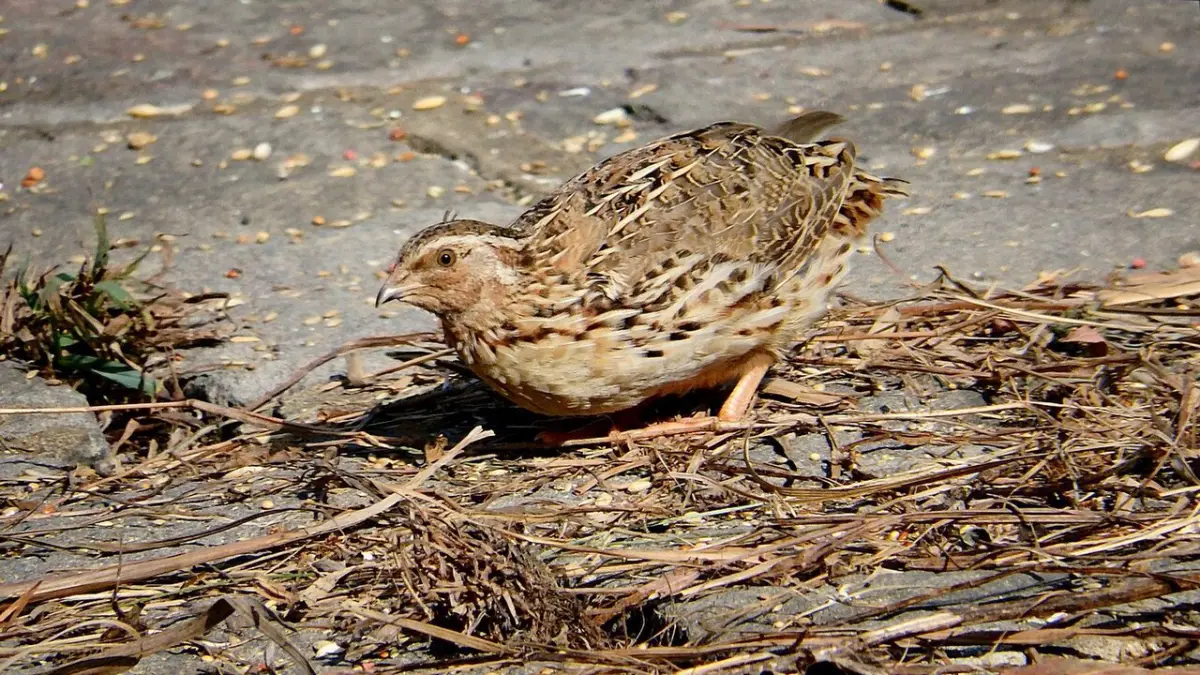
My covey lives twelve feet from my neighbor’s kitchen window. She found out about the birds eight months in, and only because I handed her a carton of eggs. That is the whole pitch for raising quail in the city: they are small, they are quiet, and nobody knows they are there.
Chickens are the backyard bird everyone argues about at city council meetings. Quail are the bird nobody has thought to ban. If you have a fence line, a balcony, a garage corner, or a shed, you can probably run six coturnix hens and pull five eggs a day out of them. Here is how the whole thing actually works on a small urban lot, including the legal homework you should do before you buy a single bird.
Is it even legal to keep quail in your city?
Usually yes, and often more legal than chickens. Most city ordinances that restrict backyard birds were written about poultry. They say things like “no more than four hens” or “no roosters within city limits.” Coturnix quail are classified as gamebirds in many municipal and state codes, not poultry, so a lot of chicken rules simply do not apply to them.
That gray zone works in your favor, but do not take my word for it. Check two things before you order birds:
- Your city’s municipal code. Search it online for the words “livestock,” “poultry,” “fowl,” and “gamebird.” Cities publish their codes through services like Municode, so this takes about ten minutes.
- Your state wildlife agency. Coturnix are non-native and domesticated, so most states treat them like any other kept bird. Native species are a different story. Bobwhite, California quail, and Gambel’s quail are wild gamebirds almost everywhere, and keeping them usually requires a state permit. Stick with coturnix and you skip that paperwork in most states.
If you rent, or you live under an HOA, read your lease or covenants too. An HOA can be stricter than the city, and “no livestock or fowl” language in a covenant is enforced by people with more free time than any code inspector.
Will the neighbors hear them?
This is the question that decides urban quail keeping, so let me be specific.
Hens are close to silent. The everyday sound of my cage is soft cooing, the tap of a beak on a water nipple, and scratching. From ten feet away through a fence, it is nothing. From the sidewalk, it does not exist.
Males are the complication. A coturnix rooster crows, but the crow is a short raspy trill, nowhere near the volume or duration of a chicken rooster. The problem is not one crow, it is repetition. A motivated male will crow on and off through the day, and sometimes at 5 a.m. If your birds sit near a property line or under a bedroom window, that gets noticed.
The urban answer is simple: keep hens only. Coturnix hens lay just as many eggs without a male around. You only need a male if you want fertile eggs to hatch. I ran hens only for my first year, and the loudest thing in my yard was still the neighbor’s air conditioner.
How much space do you actually need?
One square foot per bird is the standard floor space for coturnix in a cage or hutch setup. That means a covey of six lives comfortably in a 2 by 3 foot cage, roughly the footprint of a bathtub cut in half. I keep my numbers a little more generous and give eight birds a 2 by 5 pen.
Two details matter more than raw floor space in a city setup:
- Ceiling height. Startled quail launch straight up like feathered popcorn. A tall ceiling lets them build speed before impact, so you want either a low ceiling around 10 to 12 inches or a soft net roof on taller pens. My first flush into a wire roof taught me this at the cost of one scalped hen who recovered and one keeper who felt terrible.
- Ground contact. Wire floors keep eggs clean and droppings falling through to a tray, which is the tidy choice next to a property line. A solid floor with deep bedding looks nicer and lets birds dust bathe, but you clean it more often to stay ahead of smell.
For the full math on birds per square foot, stacked cages, and walk-in pens, I keep a separate quail cage size guide up to date.
What does an urban quail setup look like?
Mine is a hutch against the north fence: wire pen, slanted egg rollout tray, feed hopper, nipple waterer, and a plastic tub of sand for dust baths. Total footprint is about 10 square feet. You can run the same setup on a covered balcony, in a garage with a window, or in a garden shed with ventilation. Quail do not need much light to live, but hens need about 14 hours of light a day to lay through winter, so indoor setups want a cheap timer bulb.
A few urban-specific choices that saved me grief:
- A rollaway floor or egg tray. Eggs rolling out of reach of feet stay clean, and you collect once a day instead of hunting.
- A nipple or cup waterer instead of an open dish. Dry bedding is the entire secret to an odor-free setup, and open water dishes are how bedding gets wet.
- A tray of construction sand for dust bathing. It keeps feathers in condition and it is the closest thing to quail television.
How do quail compare to chickens on a small lot?
I have kept both. In a city, it is not close.
| Factor | Coturnix quail | Chickens |
|---|---|---|
| Floor space per bird | 1 sq ft | 4 sq ft coop plus 8 to 10 sq ft run |
| Noise | Hens near silent, male crow is a short trill | Hen egg song carries across yards, rooster crow carries blocks |
| First egg | 6 to 8 weeks old | 18 to 22 weeks old |
| Eggs per year | Around 300 small eggs | 200 to 280 large eggs |
| Typical legal status | Gamebird, often outside chicken ordinances | Regulated by permit, hen limits, setback rules |
| Neighbor visibility | Invisible behind a fence | Everyone knows |
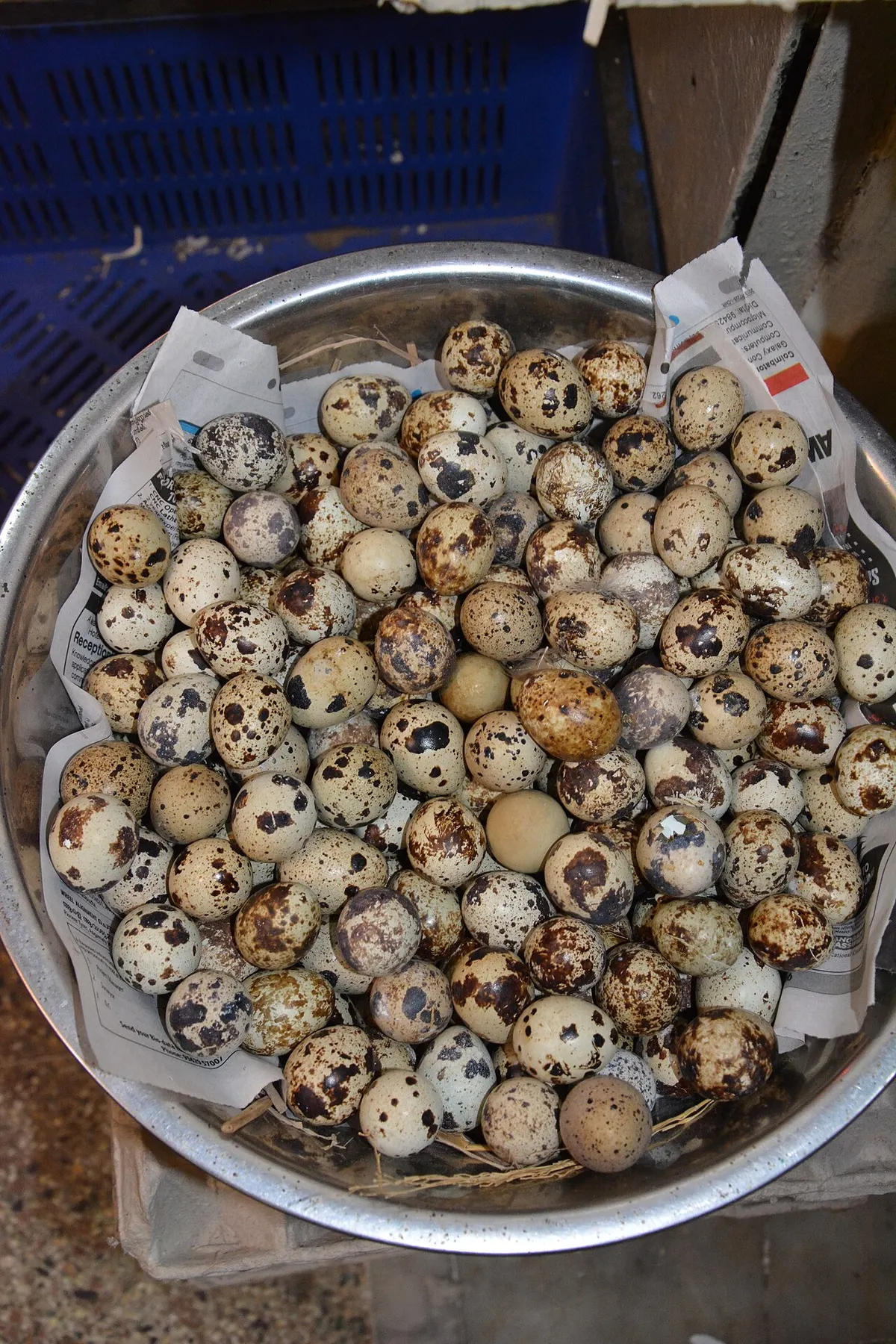
Three quail eggs roughly equal one chicken egg, so six hens laying five eggs a day works out to about a dozen chicken eggs a week from ten square feet. The eggs are speckled, rich, and the yolk-to-white ratio runs higher than a chicken egg, which is why restaurants pay real money for them.
What about smell, flies, and rats?
Smell is the thing that actually gets backyard birds banned, so treat it as your rent for keeping them in the city.
The rule is one word: dry. Quail droppings barely smell until they get wet. Keep water nipples instead of dishes, put a droppings tray under wire floors, and empty it weekly into a sealed compost bin. My eight birds produce about a coffee can of droppings a week, and composted quail manure is strong fertilizer once it ages a few months.
Rats show up for spilled feed, not for birds. A hopper feeder with a lip, feed stored in a metal can with a tight lid, and a nightly sweep of any spill keeps the rodent situation at zero. In three years I have trapped exactly one mouse, and it was after the week I got lazy with a torn feed bag.
Flies follow moisture like smell does. Dry tray, no flies. Wet corner, flies by Thursday. It is almost insultingly simple.
How do you start raising quail in the city without annoying anyone?
Start small and start quiet. Six hens, no male, one hutch out of sight of the street. That is a covey you can feed for around ten dollars a month, and the real startup and monthly costs are lower than most hobbies. If you are unsure how many birds fit your household’s egg habit, work through how many quail you should start with before you buy.
Then tell your closest neighbor, and do it with eggs in hand. A carton of speckled eggs converts a potential complaint into a customer. Half the point of raising quail in the city is that nobody minds birds they benefit from and cannot hear.
If you want the deeper husbandry details, Texas A&M’s classic extension bulletin on Japanese quail care and management has been the reference text for decades, and my own complete beginner’s guide to raising coturnix covers day one through first egg.
The short version
- Coturnix quail are legal to keep in most US cities because codes regulate poultry and quail are classified as gamebirds.
- Check your municipal code for the words livestock, poultry, fowl, and gamebird before buying birds.
- Native quail species like bobwhite usually require a state wildlife permit; coturnix usually do not.
- Coturnix hens lay without a male, and a hens-only covey is nearly silent.
- Quail need 1 square foot of floor space per bird; six hens fit in a 2 by 3 foot cage.
- Coturnix hens start laying at 6 to 8 weeks old and lay around 300 eggs per year.
- Three quail eggs roughly equal one chicken egg.
- Dry bedding and a nipple waterer are what keep an urban quail setup odor free.
Raising quail in the city is the rare hobby where the constraint, a small lot and close neighbors, barely costs you anything. The birds never needed the ac