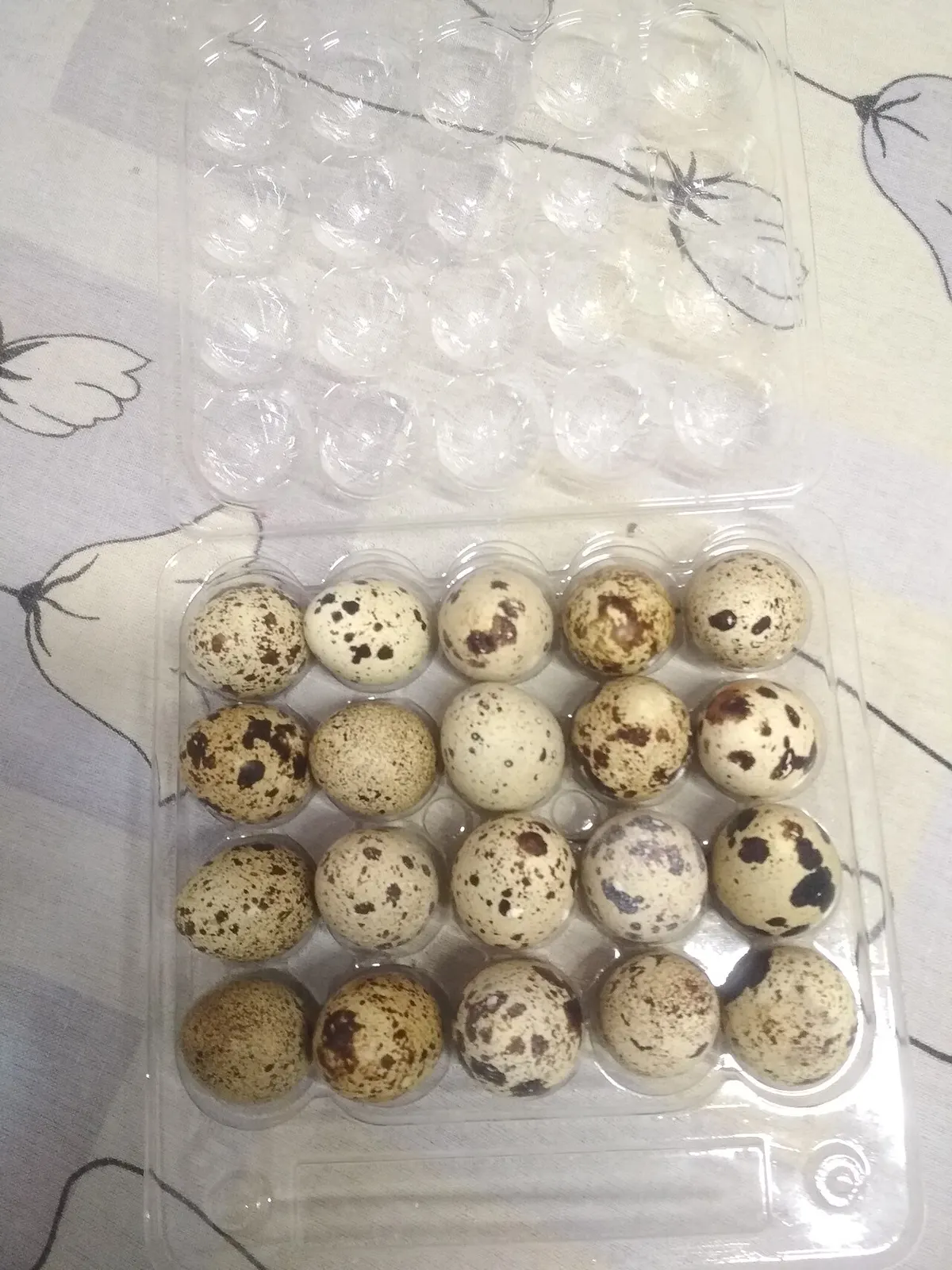
My birds outproduced my kitchen inside of three months. Six hens a day is nothing until you’re staring at a fridge shelf of cartons nobody in the house wants to eat, and that’s when I started selling quail eggs at $5 a dozen off my porch. Two years later I’ve learned the two things that actually determine whether selling quail eggs is worth your time: what you’re allowed to do without a license, and what people will actually pay. Here’s both, plus the cartons and labels that keep you out of trouble.
Do you need a license to sell quail eggs?
Usually not, if you’re selling direct from your property or a farm stand, but the reason is more specific than “quail are exempt.” Quail eggs aren’t covered by the federal Egg Products Inspection Act, which only governs chicken eggs, so the strict grading, washing, and refrigeration rules that apply to commercial chicken egg sellers don’t automatically apply to you. What replaces that federal gap is a patchwork of state cottage food and farm-product laws, and they don’t all treat quail the same way.
Some examples of how differently this plays out:
- Minnesota lets you sell products of your own farm or garden, eggs included, without a license or cottage food registration at all.
- Colorado allows chicken, quail, duck, and turkey eggs under its cottage food operation rules, capped at 120 dozen eggs a month, no permit required.
- Many other states fold quail eggs into their general cottage food exemption, but a handful require a food handler’s permit the moment you sell somewhere other than your own property, including farmers markets.
That last point is where people get tripped up. Selling off your porch and selling at a farmers market booth are two different legal situations in a lot of states, even though both feel like “direct to the customer.” Before you set up a table anywhere but your own driveway, call your state department of agriculture and ask specifically about quail eggs, not chicken eggs. The answer you get for chickens does not reliably transfer.
What to charge for quail eggs
Prices vary by region and by whether you’re selling eating eggs or fertile hatching eggs, and the gap between those two is bigger than most new sellers expect.
| Region | Eating eggs (per dozen) | Hatching eggs (per dozen) |
|---|---|---|
| Northeast | $4 to $6 | $10 to $18 |
| Southeast | $3 to $5 | $9 to $15 |
| Midwest | $3.50 to $6 | $10 to $16 |
| West Coast | $5 to $8 | $12 to $20 |
| Southwest | $4 to $6.50 | $10 to $18 |
Hatching eggs almost always out-earn eating eggs, sometimes by two or three times per dozen, because you’re selling potential birds to homesteaders, 4-H kids, and new breeders rather than groceries. If you keep clean lines or an unusual color like celadon or jumbo brown, fertile eggs from those lines can sell for even more than the ranges above.
For eating eggs, I’d start in the middle of your region’s range and watch what happens. If you sell out every time within a day, you’re underpriced. If cartons sit in the fridge past a week, you’re either overpriced or you haven’t found your buyers yet, and dropping a dollar rarely fixes the second problem.
Where to actually sell them
Your own porch or farm stand is the easiest starting point and, in most states, the least regulated. A cooler with a cash box and a sign works fine at low volume.
Farmers markets reach more buyers but usually require a booth fee and, depending on your state, a food handling permit. Bring a small sign explaining what quail eggs are and how to use them, since most shoppers have never bought one.
Local Facebook groups and community boards move volume fast in areas with an active homesteading scene, especially for hatching eggs. Post clear photos of your birds and coop, not just the eggs, buyers want to know how the birds live.
Restaurants and boutique grocers pay the best per-egg rates but expect consistency and often a food safety certification before they’ll put you on an order sheet. Start with a free sample carton and a simple price sheet.
Online and shipped hatching eggs open you to buyers outside your area, but expect breakage in transit to eat into your margins, and if you’re shipping across state lines, NPIP certification for your flock makes you a far more trustworthy listing to serious buyers.
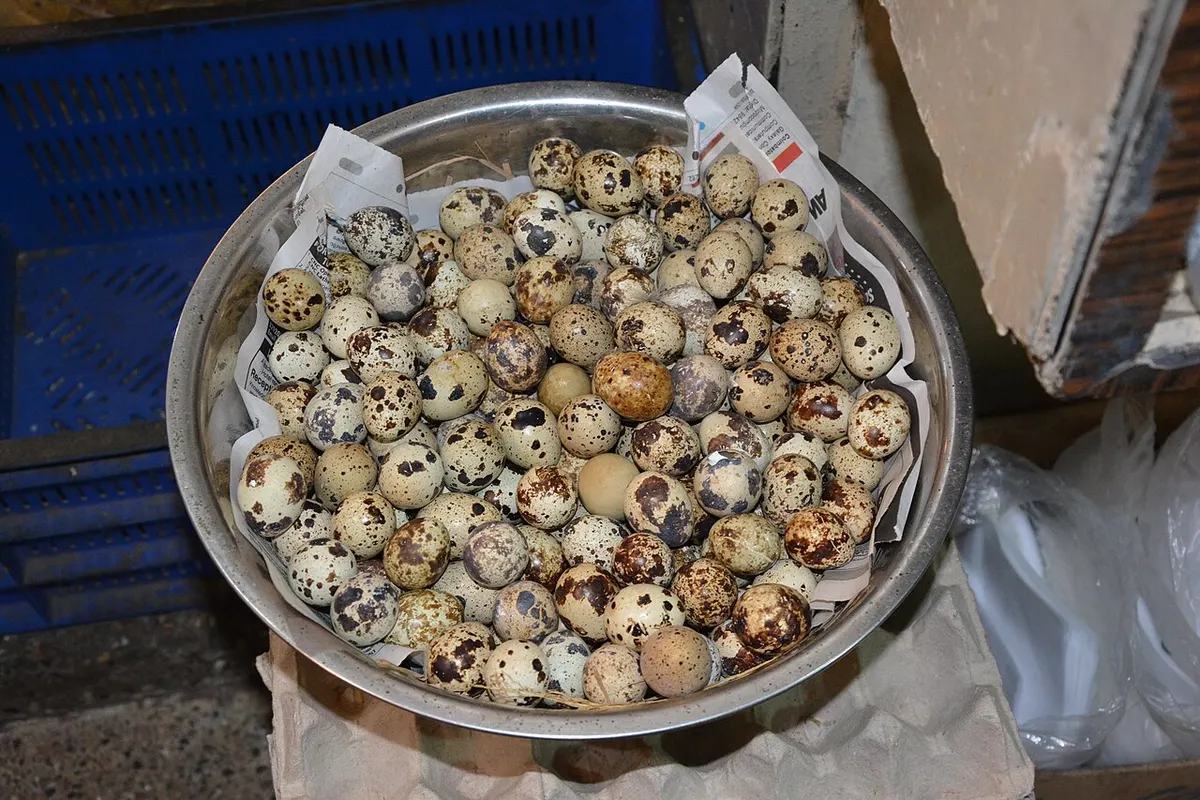
Cartons and labeling that keep you legal
Even in states with no license requirement, general food safety and labeling rules still apply to what you sell. At minimum, put on the carton or a card inside it:
- Your name and address, or your farm’s name and address
- The date the eggs were collected or a “sell by” date
- A plain description, “quail eggs,” so nobody mistakes them for anything else
- If your state’s cottage food law requires it, a disclaimer such as “produced in a home operation not inspected by the state”
Keep eggs refrigerated at or below 45°F from collection through sale if that’s what your state requires for eggs sold to the public, and document it if you’re at a market where a health inspector might ask. Whether you wash the eggs first depends on your state too. Some want them washed and refrigerated, some are fine with the bloom left on and a wipe-down for visibly dirty eggs. Check before you decide either way is “just how it’s done.”
For packaging itself, cardboard pulp cartons look the most like a farm product and are cheap in bulk, while clear plastic cartons let buyers see the eggs before they buy, which matters more than you’d think at a market table where quail eggs are a novelty item.
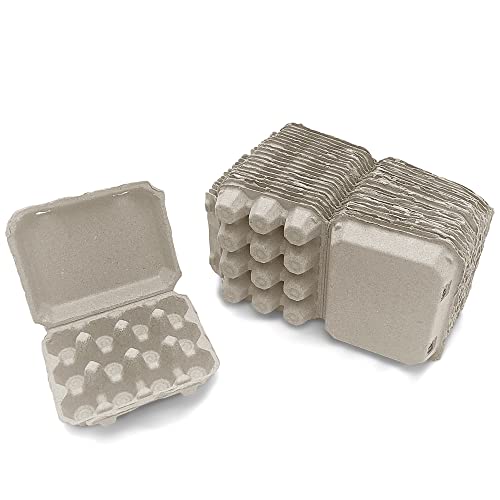 Henlay Quail Egg Cartons (30-pack). Recycled cardboard pulp, 3x4 grid holds a dozen. Looks like a farm product on a market table and costs pennies per carton in bulk.
 ACXFOND Clear Plastic Quail Egg Cartons (100-pack). Stackable, reusable, 24-grid trays so buyers can see the eggs before they buy. Good for market tables and repeat wholesale customers who return empties.
Selling hatching eggs specifically
Fertile eggs are a different product with different expectations. Buyers want to know your hatch rate history, whether you candle before shipping, and what breed or line you’re working with. Be upfront that shipped hatching eggs always hatch worse than eggs collected fresh and set locally, jostling in transit damages the air cell and membrane even when nothing cracks. I quote shipped buyers a lower expected hatch rate than local pickup buyers, and I’d rather undersell the outcome than have someone blame my flock for a rough truck ride.
If you’re shipping regularly or selling to buyers who ask, NPIP (National Poultry Improvement Plan) certification for your flock costs little relative to what it does for buyer confidence, and some state lines won’t move hatching eggs without it.
The quick answers
- Quail eggs are not covered by the federal Egg Products Inspection Act, so most states regulate them separately from chicken eggs, often under cottage food or farm-product exemptions.
- Selling direct from your own property is the least regulated path in most states; farmers markets and wholesale buyers often require a permit even where direct sales don’t.
- Eating eggs typically sell for $3 to $8 a dozen depending on region; fertile hatching eggs typically sell for $9 to $20 a dozen.
- Cartons should carry your name or farm name, an address, and a collection or sell-by date at minimum, plus any disclaimer your state’s cottage food law requires.
- Shipped hatching eggs hatch at a lower rate than locally sold ones due to transit jostling; set buyer expectations accordingly.
- Always confirm quail-specific rules with your state department of agriculture before selling anywhere other than your own property.
Selling a few dozen quail eggs a week won’t replace a paycheck, but it covers feed, and for a lot of backyard keepers that’s the whole point. Start small, keep your cartons labeled properly, and raise your price before you drop it.
If you’re just getting your covey productive enough to have extras to sell, see how much it actually costs to raise quail and what do quail eat to keep your feed bill in check. And if you’re deciding what to do with the eggs you’re not selling, quail eggs vs chicken eggs and how to cook quail eggs cover the kitchen side.