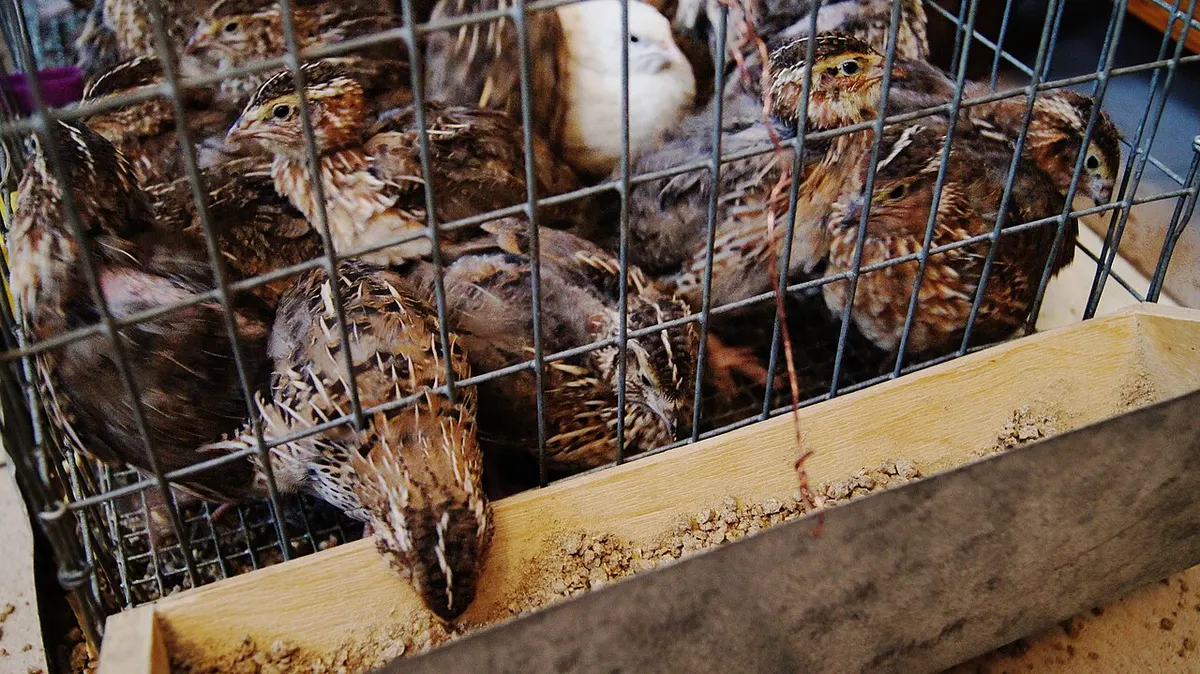
The first winter I kept quail outside, I found the morning waterer frozen into a solid disc by 6 a.m., three hours after I had filled it. That is the thing nobody tells you about small waterers: a chicken fount holds enough water that it takes most of a cold night to freeze through, but a quail cup or a dribble dish holds a few ounces, and a few ounces of water in a wire cage with no wind break turns to ice almost as fast as the temperature drops. A heated quail waterer fixes that, but only if you buy the right kind, because the wrong one will melt the plastic cup you are trying to keep thawed.
Why does quail water freeze so fast?
Freezing speed comes down to volume and exposure, not just air temperature. A 3 gallon chicken fount has enough thermal mass that it can coast through a single cold night even without help. A quail cup holding 4 to 6 ounces has almost none, so it freezes at the surface within an hour of a hard freeze and solid within two or three. Wire cages make this worse, since there is rarely a solid wall to block wind, and moving air pulls heat out of standing water far faster than still air at the same temperature.
That is also why my best quail waterer picks lean toward nipples and cups for the other ten months of the year but need a different plan once nights drop below freezing. The reservoir that makes a nipple system clean in summer is the same small reservoir that freezes first in January.
Do you actually need a heated quail waterer?
It depends on how often you get real freezes and how much babysitting you are willing to do. A few approaches, roughly in order of effort:
- Swap water by hand, twice a day. Fine down into the 20s Fahrenheit if you are consistently home morning and evening. Below that, water can refreeze before the afternoon swap even finishes thawing out from the morning one.
- Rotate two waterers. Keep a spare thawing inside, swap it out when the outdoor one ices over, repeat. Cheap, but someone has to be home and paying attention through the whole cold snap.
- Run a heated base. A thermostat-controlled heated waterer base keeps water liquid automatically, draws power only when it needs to, and is the only option that works unattended through a multi-day freeze or a stretch where you cannot get outside twice a day.
If your winters rarely dip below the high 20s, hand-swapping is genuinely fine and a heated base is overkill. If you are somewhere that sits below 20°F for days at a stretch, a heated base pays for itself in saved trips outside within the first bad week.
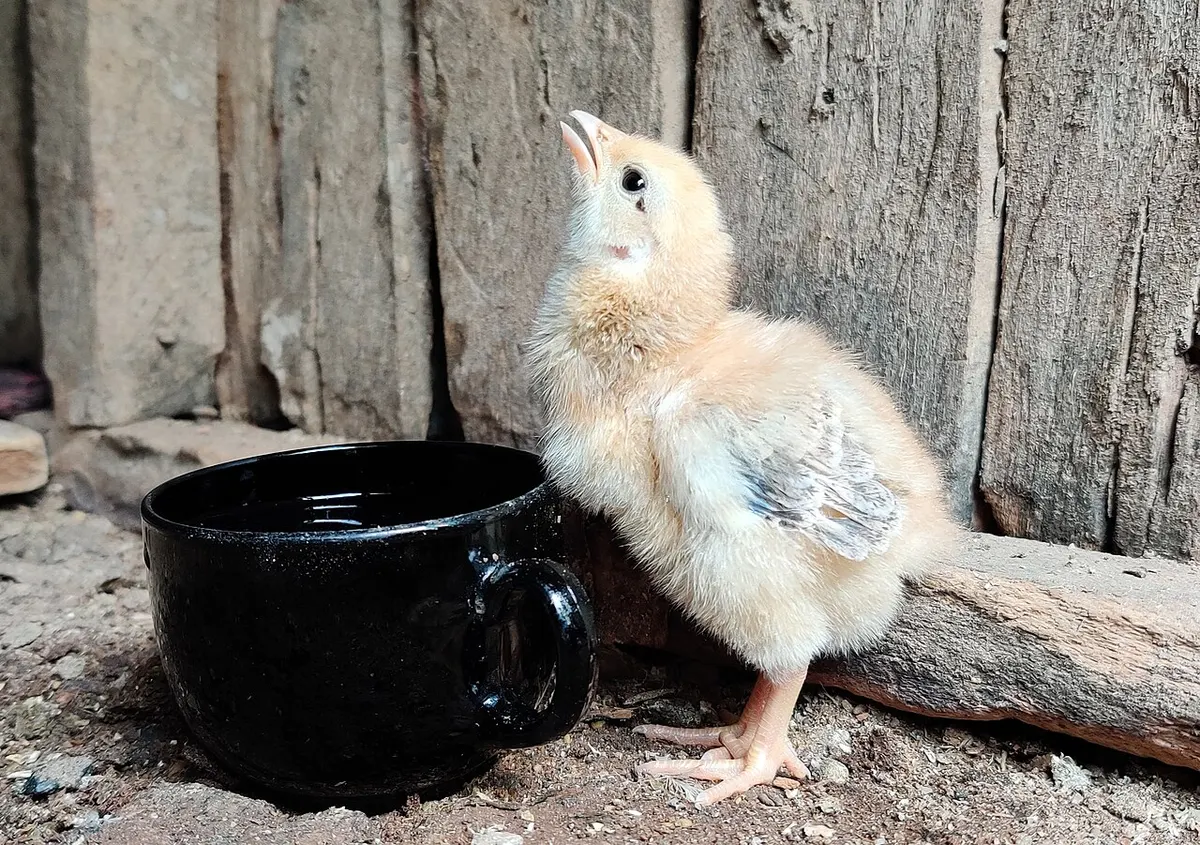
Will a heated base melt my plastic waterer?
This is the part most people skip reading and then regret. Heated poultry bases work by warming a metal plate or coil under the container, and most of them are designed and labeled for metal fountains specifically. Set a thin plastic cup or jug directly on one of those and the plastic can soften, warp, or scorch at the contact point, because plastic does not spread heat the way metal does and the same spot stays hot instead of dissipating it.
The University of Maryland Extension puts it plainly in its small flock winter guidance: be sure the heated base you choose will not melt or damage your water container, or start a fire if it contacts bedding nearby. That is not a theoretical warning. It is the single most common mistake keepers make buying their first heated base, because the cheapest options at a farm store are built for the metal galvanized founts chickens have used for decades, and a quail setup built around plastic cups or a plastic jug is a different animal entirely.
The fix is simple: read the listing before you buy. Some bases are explicitly rated for both plastic and metal containers, usually because they run cooler or spread heat across a wider plate. Others say “metal fountains only” right in the title, and that is not marketing fluff, it is a real limitation. If you already run plastic cups or a plastic DIY bucket nipple system, which my quail cage setup checklist covers in more detail, buying a metal-only base means either switching your whole watering system over to a metal container or finding a base rated for plastic.
How hot do these bases actually get?
Not hot, by design. A properly working heated base is thermostatically controlled, switching on somewhere around 35 to 40°F and shutting off again once the water climbs a few degrees above freezing. The goal is liquid water, not warm water, and a base that is making the water genuinely warm to the touch is either malfunctioning or oversized for the container sitting on it. Budget 30 minutes with a thermometer the first time you set one up, just to confirm it is cycling the way the listing claims rather than running continuously.
What do heated waterer bases cost to buy and run?
Expect 30 to 50 dollars for a base sized for a single cage or small coop, with wattage ranging from about 40 watts on the smallest units up to 125 watts on the larger ones built for bigger founts. A 55 watt base running continuously for 24 hours draws about 1.3 kilowatt hours, which is a few cents at most residential electricity rates, and a thermostat-controlled unit only draws that while it is actively below the freeze point, so real-world cost is usually a fraction of that worst case.
| Heated base | Wattage | Works with plastic | Rough price | Best for |
|---|---|---|---|---|
| Galvanized thermostatic base, 1 to 6 gallon rated | 60W | Yes, listed for plastic and metal | $31.99 (save $8.00, 20%) as of Nov 28, 2026 | Most quail keepers using a plastic cup, jug, or small fount |
| Mid-size heated base, metal and plastic rated | 55W | Yes, listed for plastic and metal | $47.65 as of Nov 28, 2026 | Keepers who want a sturdier base under a heavier container |
| High-output base, metal founts only | 125W | No, metal fountains only | $42.99 as of Nov 28, 2026 | Large coveys on a metal galvanized fount, harsh winters |
Heated waterer base picks
 Best for plastic cups and jugs: a 60 watt galvanized steel base with a built-in thermostat, rated for 1 to 6 gallon containers and specifically listed as safe for plastic as well as metal waterers. The timer and LED display make it easy to confirm it is actually cycling on and off rather than running flat out all night.
 Best mid-size pick: a 55 watt base built for both plastic and metal poultry founts, rated for indoor and outdoor use. A reasonable step up if your first base felt undersized for a multi-cage setup, without jumping all the way to a 125 watt unit built for much larger metal fountains.
 Best for large coveys on a metal fount: a 125 watt base built specifically for metal poultry founts, not rated for plastic. The extra wattage handles harsher winters and bigger metal waterers, but it is the wrong choice if your setup is built around a plastic cup or jug.
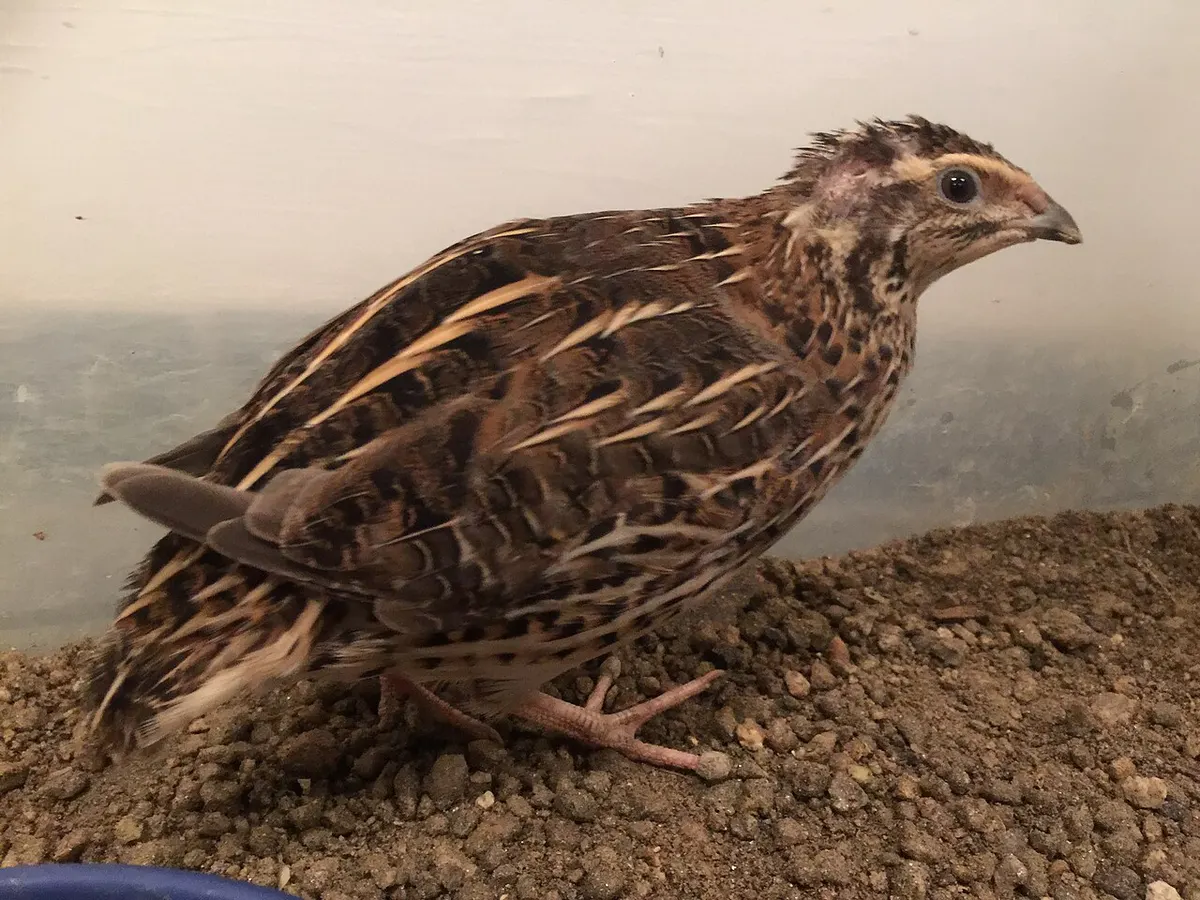
What if you do not want to run electricity to the cage?
Plenty of keepers get through winter without a single heated base, especially in climates where hard freezes are occasional rather than constant. Hand-swapping water twice a day works, rotating a spare waterer in from indoors works, and some keepers mix a little extra water into a wet mash once or twice daily to cut down on how often birds need to drink from an outdoor cup at all.
One thing to skip: an aquarium heater dropped into an open cup or bucket outside its tank. Aquarium heaters are built and rated to run fully submerged in a stable volume of water, and running one in a shallow, frequently near-empty cup risks the heater element cracking or overheating, since it is operating well outside what it was designed and tested for. If you want electric heat without a dedicated poultry base, a stock tank style de-icer sized for the container you are actually using, not a tank heater borrowed from an aquarium, is the safer route.
Whatever method you pick, keep the waterer off the coldest part of the cage floor and out of direct wind. My quail cage size guide covers mounting height and placement in more detail, and getting that part right cuts down on how fast any waterer, heated or not, ices over in the first place.
The quick answers: heated quail waterers
A heated quail waterer is an electric base or built-in unit that keeps water liquid through a freeze, typically switching on around 35 to 40°F and off a few degrees above that. Most heated bases are built for metal poultry founts only and can warp or scorch a plastic cup or jug, so check the listing for explicit plastic compatibility before buying one for a typical quail setup. Expect to pay 30 to 50 dollars for a base covering a single cage, with wattage from about 40 to 125 watts depending on size. Hand-swapping water twice a day works fine down into the 20s Fahrenheit; below that, a heated base saves real effort. Keep cords away from bedding and anywhere a bird can stand on them, and skip aquarium heaters run outside a full tank, they are not built for that use.
For the rest of your winter setup, my winter quail care guide covers housing, lighting, and feeding alongside water, and the full best quail waterer breakdown covers cups, nipples, and founts for the other ten months of the year once the thaw sets in.
For more on safe heated equipment and general cold weather flock management, see the University of Maryland Extension’s winter weather guidance for small flocks and the University of Minnesota Extension’s guide to caring for poultry in cold weather.