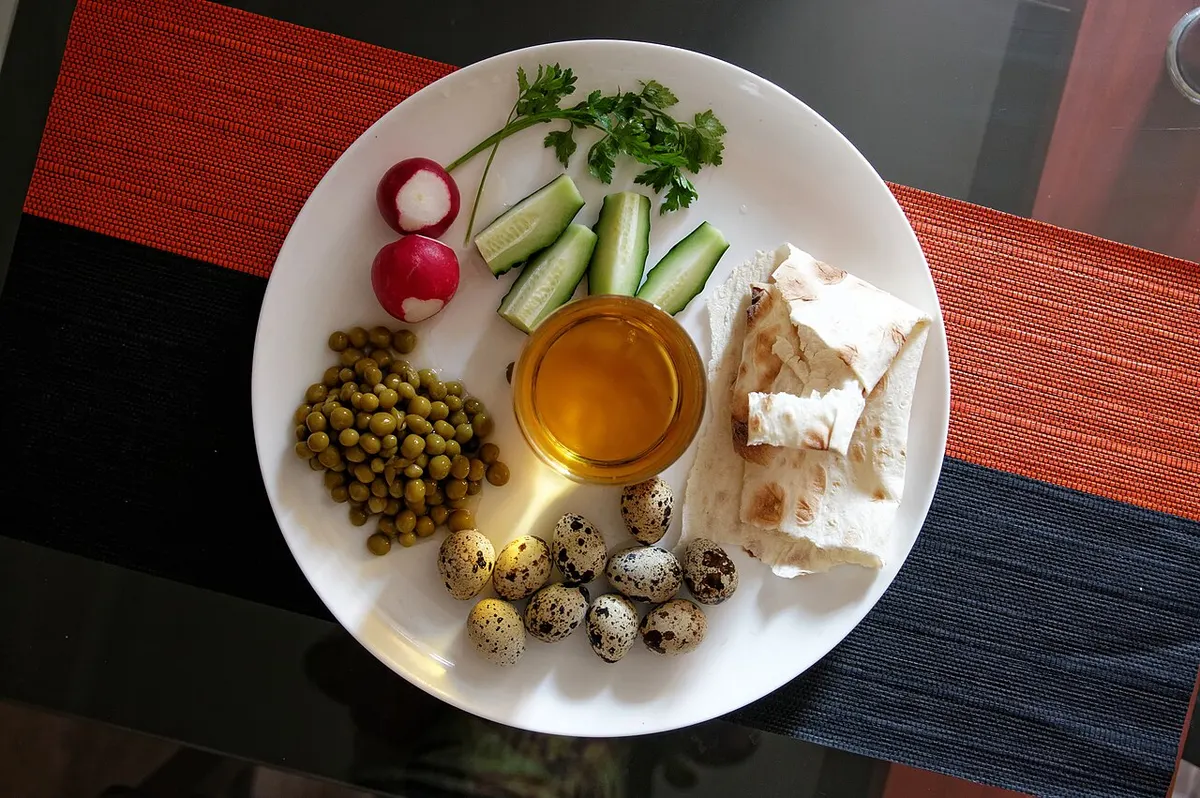
The first time I tried to peel a boiled quail egg, I lost about a third of the white to the shell and gave up halfway through the carton. If you’ve had the same experience, the problem usually isn’t your technique, it’s the method. Learning how to cook quail eggs the right way, meaning the right cook time plus the right peeling trick, is the difference between a two-minute snack and a sink full of shell fragments.
I’ve run through every method people swear by on quail forums: steaming, ice baths, the shake-in-a-jar trick, even an overnight vinegar soak. Some of it is genuinely useful. Some of it is just extra dishes. Here’s what actually works, in the order I’d try it.
How long to boil quail eggs
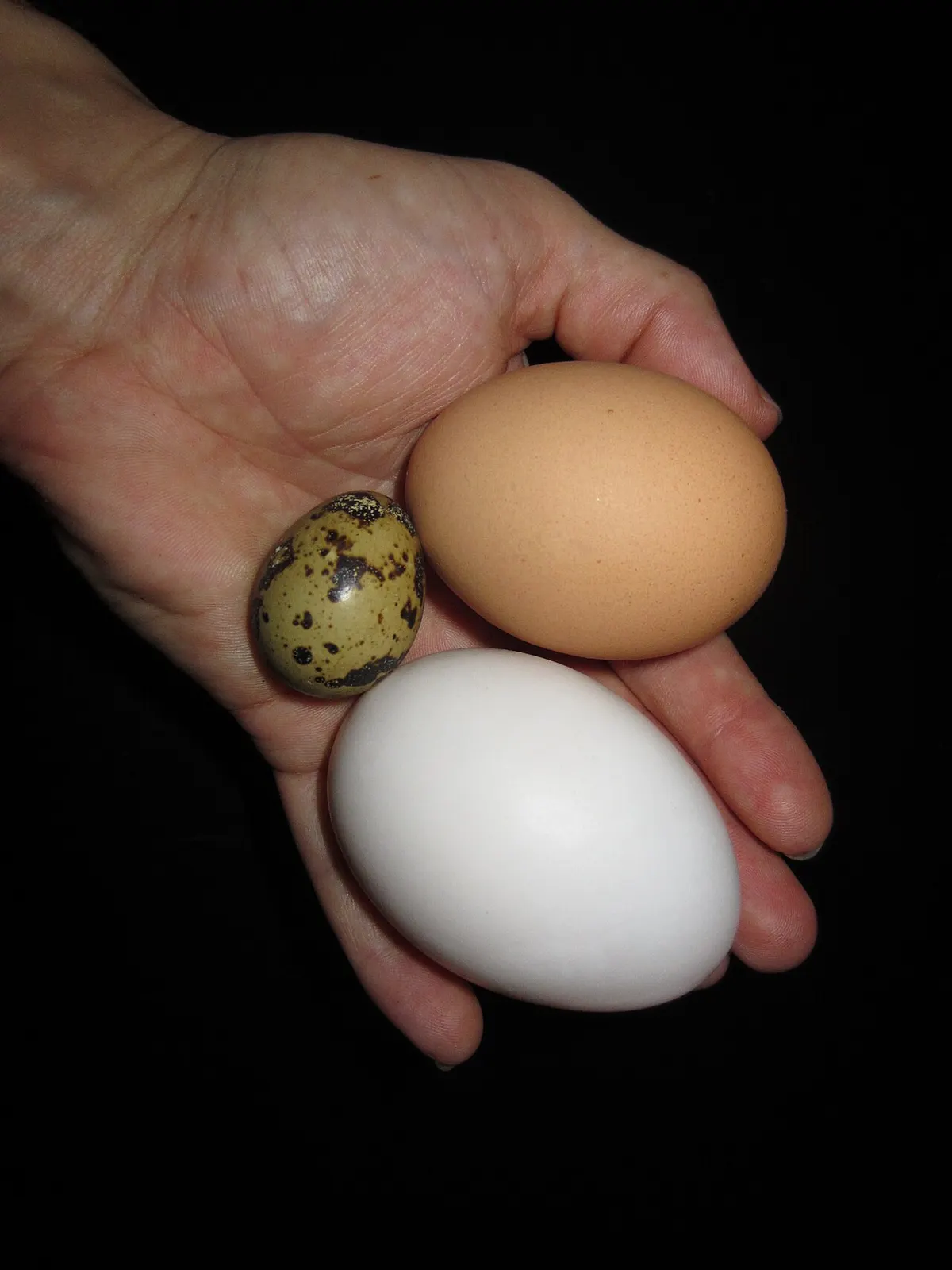
Quail eggs cook fast because they’re small, roughly a fifth the size of a chicken egg. Drop them into already-boiling water rather than starting from cold, since a cold start makes it harder to hit a consistent doneness across a batch of a dozen or more.
| Doneness | Time in boiling water | Yolk result |
|---|---|---|
| Soft-set | 2 minutes | Yolk mostly runny, whites just set |
| Medium | 2 minutes 30 seconds | Yolk creamy in the center |
| Hard-boiled | 3 to 4 minutes | Yolk fully set, no gray ring |
Pull the eggs the moment the timer goes off and drop them straight into an ice water bath, or at least a bowl of cold tap water if you don’t keep ice on hand. This stops the cooking instantly and, more importantly, it’s the first step in making the shells easier to remove.
Steaming is my preferred method when I’m doing a full carton at once. Set a steamer basket over an inch of water, bring it to a boil, then add the eggs and steam for 4 to 6 minutes depending on how firm you want the yolk. Steamed shells separate from the membrane more cleanly than boiled ones, in my experience, though the difference is small enough that boiling is fine if that’s what you’ve got set up.
The fastest way to peel quail eggs
Once the eggs are cooled, this is the method I actually use, and it works on a dozen eggs in about two minutes total.
- Drop the cooled, cracked-free eggs into a container with a tight lid, a mason jar or plastic deli container both work.
- Add a splash of water, maybe a tablespoon, so the shells have something to knock against.
- Put the lid on and shake hard for 15 to 20 seconds.
- Dump the eggs into a bowl of water. The shells should mostly be in loose fragments, and the eggs will slip out clean with a light pinch.
Quail eggs have a thin shell over a surprisingly tough membrane, so the trick is cracking the shell into small pieces without tearing the membrane, then peeling the membrane off in one or two pieces rather than picking at shell fragments one at a time. Start at the fat end, where there’s a small air pocket, and you’ll usually get a clean release from there.
The vinegar soak trick for stubborn shells
If you’ve got a batch that just won’t cooperate, usually because the eggs were too fresh, soak the boiled eggs in a bowl of plain white vinegar overnight in the fridge. The acid softens and partially dissolves the shell, and by morning most of what’s left is a rubbery membrane that peels off in one motion. This isn’t a method I use often since it means planning a day ahead, but it’s the reliable fix when the shake method leaves you with confetti instead of a clean egg.
 Stainless Steel Quail Egg Scissors (2-Pack). If you're cracking more than a few eggs at once, a dedicated pair of quail egg scissors snips off just the cap end in one motion, leaving a clean opening you can scoop the egg out of instead of peeling shell by shell. Handy for deviled quail eggs where you want the whites intact.
Is it safe to eat quail eggs raw?
You’ll see raw quail eggs served over rice bowls, dropped into ramen, or cracked onto sushi, and plenty of people eat them that way without issue. But raw and undercooked eggs, quail or chicken, carry a real Salmonella risk. According to FDA egg safety guidance, quail eggshells being thinner and more porous than a chicken egg’s makes careful storage and handling even more important. If you or anyone you’re serving is pregnant, elderly, very young, or immunocompromised, cook the eggs through rather than serving them raw. For everyone else, keep raw eggs refrigerated below 45°F right up until you crack them, and don’t let them sit at room temperature for more than an hour or two. Recent CDC outbreak investigations tied to shell eggs are a good reminder that this isn’t just a theoretical risk.
Ways to use cooked quail eggs
Once they’re peeled, quail eggs are a blank canvas. A few of the ways I actually use mine:
- Halved on a salad or grain bowl, the same way you’d use a hard-boiled egg wedge, just smaller and faster to eat by the handful.
- Soft-boiled and dropped into ramen or pho, where the smaller size means the yolk cooks through to the edge without a huge center of raw yolk.
- Pickled, which is its own project with its own brine ratios, worth doing once you’ve got a surplus of eggs coming in faster than you can eat them fresh.
- Deviled, using the egg scissors above to snip the tops off cleanly so you’ve got a stable base to pipe filling into.
The quick answers
- Boil quail eggs for 2 minutes for soft-set, 3 to 4 minutes for fully hard-boiled, starting from already-boiling water.
- Steaming for 4 to 6 minutes gives shells that separate more cleanly than boiling.
- Eggs peel easier at 5 to 7 days old than when freshly laid, because pH changes loosen the membrane’s grip on the white.
- Shake cooled eggs in a lidded container with a splash of water for about 15 to 20 seconds to crack the shells into easy-to-remove pieces.
- An overnight vinegar soak will soften a stubborn shell down to just the membrane by morning.
- Raw or undercooked quail eggs carry the same Salmonella risk as raw chicken eggs; cook them through for pregnant, elderly, very young, or immunocompromised eaters.
That’s really the whole job when it comes to how to cook quail eggs: hit the right time in the water, cool them fast, and pick a peeling method that matches how fresh the eggs are. Get those three right and a dozen quail eggs go from a frustrating ten minutes to a two-minute snack.
If you’re still working out how many eggs your flock is actually giving you, it’s worth comparing quail eggs to chicken eggs so you know what you’re working with nutritionally and by volume. And if your birds have slowed down or stopped altogether, troubleshooting why your quail aren’t laying is the next place to look before you start hunting for cooking methods you don’t need yet. New to keeping birds at all? Start with how to raise coturnix quail for the basics that get you to your first carton of eggs in the first place.