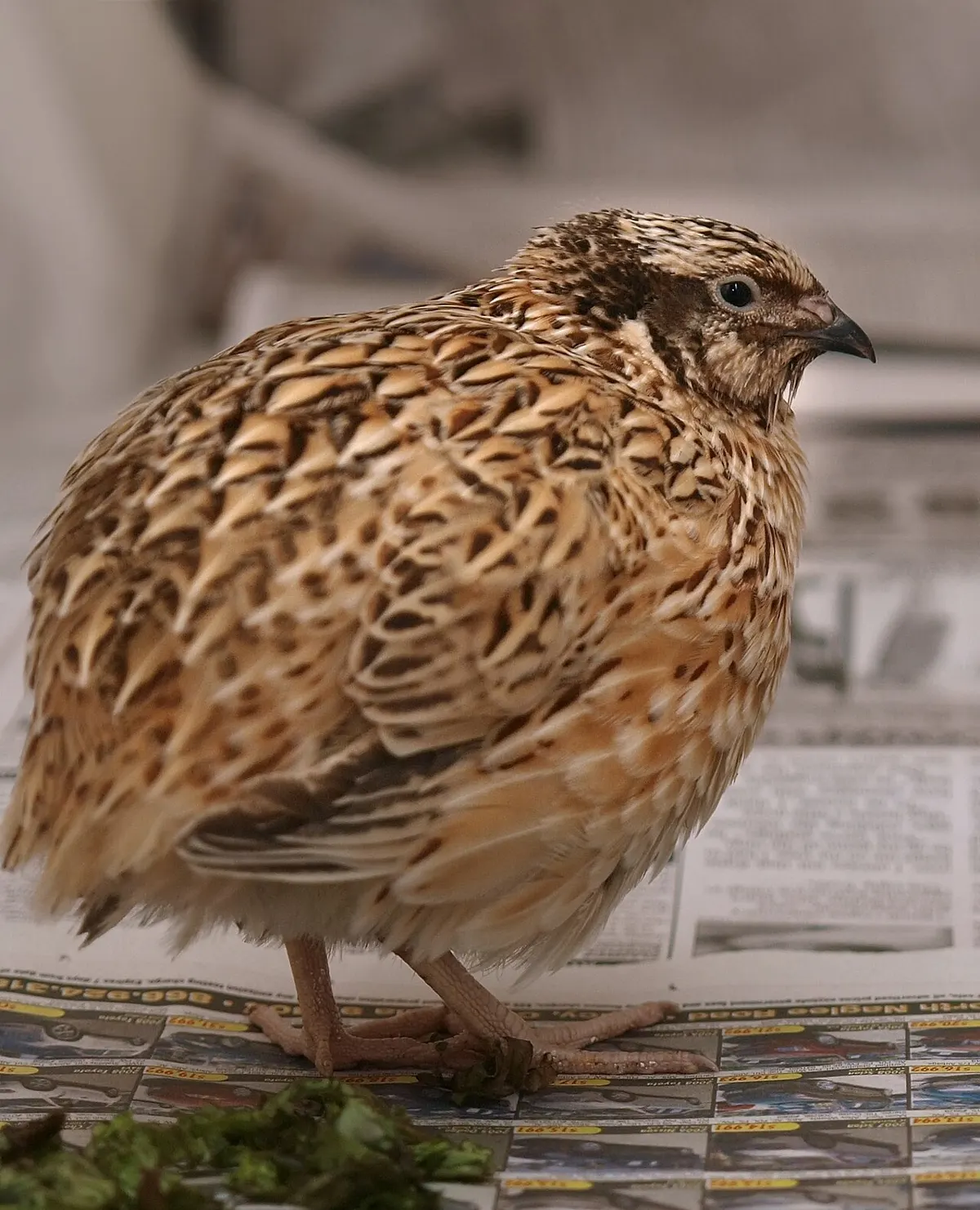
I didn’t learn how to cull quail from a manual. I learned it standing in my garage at six in the morning with a rooster that had spent three straight days trying to kill every other bird in the pen, a pair of kitchen shears I wasn’t totally sure were sharp enough, and about four minutes of panicked research under my belt. It went about as well as that sounds. A few hundred birds later, here’s what I wish someone had told me that morning: when culling is actually necessary, which methods are genuinely humane versus just fast, and what to do with yourself once it’s done.
When do you actually need to cull a quail?
Culling means permanently removing a bird from your flock by killing it, as opposed to rehoming it or just separating it. It’s not the first answer to most problems, but it is sometimes the right one. The situations that actually call for it:
Chronic, unfixable aggression. One bird that keeps scalping or injuring others after you’ve already corrected the ratio and given everyone more space isn’t a bird that’s going to calm down on its own. If you haven’t ruled out ratio and crowding yet, start there first; our guide on quail pecking and scalping walks through the fixes that solve most aggression without anyone needing to be culled at all.
An injury that won’t heal, or won’t heal enough to matter. A badly broken leg, a prolapse that keeps recurring, an eye that’s permanently gone. Quail don’t do well as long-term invalids; a bird that can’t walk, eat, or drink normally is suffering every day you wait.
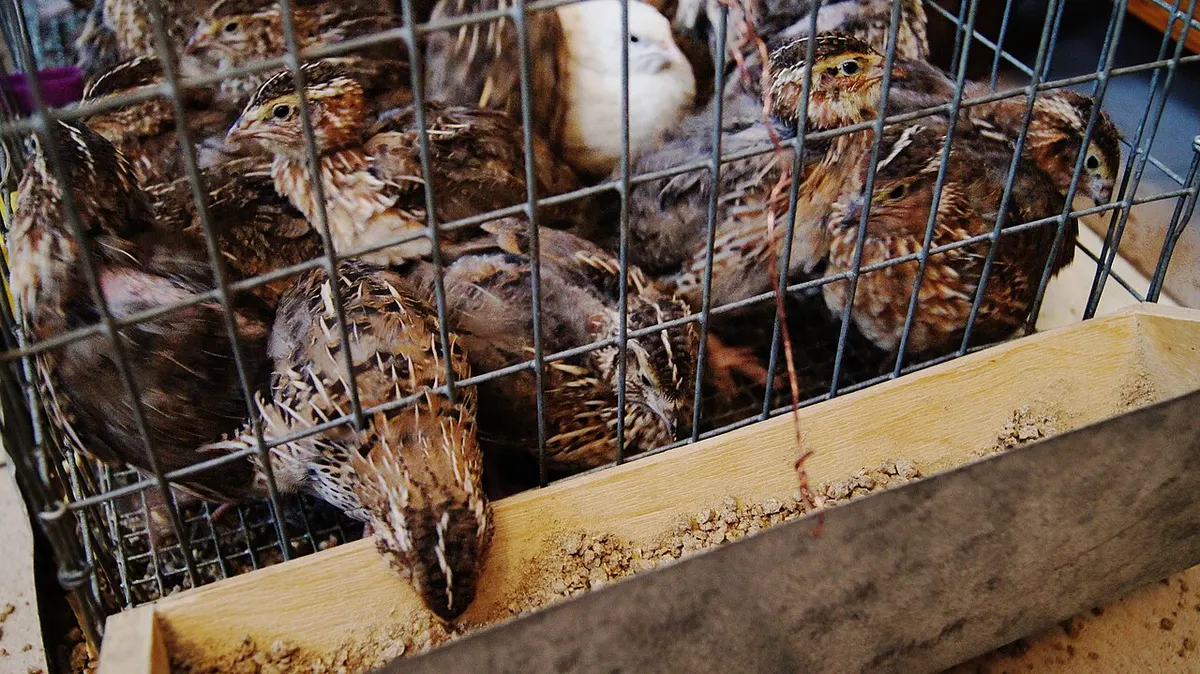
Too many males from a hatch. This is the most common reason backyard keepers end up culling, full stop. A straight run hatch comes out roughly half male, and Coturnix only need about one male per four hens. If you hatched 20 chicks, you’re probably sitting on 8 to 10 extra roosters with no home and a landlord, HOA, or neighbor who won’t tolerate the crowing. Our male-to-female ratio guide has the actual math if you’re not sure how many you need to keep.
Chronic illness with no real treatment. Respiratory disease that keeps relapsing, a tumor, advanced old age with failing organs. Keeping a bird alive that’s in a slow, irreversible decline isn’t kindness, it’s avoidance.
Hens that have permanently stopped laying and have nowhere to go. This one’s a judgment call plenty of keepers make differently, and there’s no wrong answer as long as you’re honest about it. If keeping a nonproductive hen means less space and feed for the birds that are laying, some keepers cull and eat her; others keep retired hens as pets. Do what fits your setup.
Is cervical dislocation humane for quail?
Yes, when it’s done correctly, and extension researchers treat it as one of the standard humane methods for small poultry. Cervical dislocation works by separating the vertebrae at the base of the skull from the spinal column, which causes immediate loss of consciousness. A Virginia Cooperative Extension study on broiler chickens found that brainstem reflexes disappeared within about 18 seconds of a correctly performed manual cervical dislocation, faster than the mechanical devices tested alongside it, and all movement stopped within roughly a minute and a half. Quail are smaller and lighter than the broilers in that study, which if anything makes the method easier to perform correctly, not harder.
The catch: “done correctly” is doing a lot of work in that sentence. Both Virginia Cooperative Extension and the Poultry Extension Collaborative are explicit that this is a technique that needs to be learned and practiced, not improvised the first time it matters. A hesitant or incomplete attempt causes more suffering, not less. If you’ve never done it before, watch an instructional video from a poultry extension source first, and expect the first one or two to feel clumsy no matter how much you’ve prepared.
The cervical dislocation method, step by step
- Hold the bird firmly by the legs in one hand, upside down, to keep it calm and still.
- With your other hand, grip the head firmly behind the skull, your thumb and forefinger positioned right at the base of the neck.
- In one firm, continuous motion, pull down and twist the head backward, stretching the neck until you feel the separation.
- Expect the wings to flap and the body to convulse for 15 to 30 seconds afterward. This is a nerve reflex, not a sign of ongoing awareness; the bird lost consciousness the instant the separation happened.
The scissors method most backyard keepers actually use
Plenty of experienced keepers skip cervical dislocation entirely and use a sharp, dedicated pair of poultry shears for a quick decapitation instead, especially for quail, where their small neck makes the motion fast and clean with the right tool. Hold the bird firmly with the wings pinned against the body in one hand so it can’t flap and spray blood when the reflex hits, and make one firm, confident cut with sharp shears rather than several hesitant ones. As with cervical dislocation, expect 15 to 30 seconds of reflexive movement afterward.
Whichever method you use, the shears or scissors need to be genuinely sharp, not the all-purpose kitchen pair that’s been opening cereal bags for two years. A dull blade is the single biggest thing that turns a quick, humane cull into a bad experience for both of you.
 Hatching Time Quail-Size Processing Cone. A cone sized for birds under 1.5 lb holds the bird still and in position instead of you trying to control a flapping bird one-handed, which makes either method above faster and cleaner. The same cone works for your meat birds if you ever scale up.
Which method should you use?
| Method | Equipment needed | Skill required | Best for |
|---|---|---|---|
| Manual cervical dislocation | None | High, needs practice | Keepers comfortable handling birds, no tools on hand |
| Cervical dislocation with a kill cone | Processing cone | Moderate | Beginners, since the cone controls the bird for you |
| Sharp shears (decapitation) | Dedicated poultry shears | Moderate | Keepers already set up to process birds for meat |
| Vet-assisted euthanasia | None, a vet appointment | None, performed by a professional | Chronic illness, uncertainty about suffering, or your first time |
When should you call a vet instead?
If a bird is sick in a way you can’t clearly diagnose, or you’re not sure whether what you’re seeing counts as suffering that justifies culling, that uncertainty itself is a reason to call an avian or poultry-experienced vet rather than guess. A vet can perform drug-based euthanasia, which is painless and immediate, though it costs more than doing it yourself and not every vet will see poultry. Call ahead and ask specifically whether they treat backyard quail before you show up. For a single sick or badly injured bird, this is also the lowest-stress option if you’ve never culled before and don’t want your first attempt to be on a bird that’s already suffering.
What do you do with the bird afterward?
If the bird was healthy and you’re already set up to process quail for meat, there’s no reason not to eat it; see our guide to raising quail for meat for how processing actually works once you’re past the cull itself. For a sick, injured, or elderly bird you’re not going to eat, treat it the same as a bird that died naturally. Composting is the most common option among backyard keepers, feathers and all, as long as your compost pile gets hot enough and you bury the remains in the active center rather than leaving them on top. Burial on your own property and municipal trash pickup (double-bagged, check your local rules) are the other two standard options. Whatever you choose, check your city or county’s rules on animal carcass disposal first; some places restrict backyard burial or compost of dead livestock even when it’s your own bird on your own land.

How do you get through the emotional part?
It’s okay if it’s hard, especially the first time. I remember exactly which bird my first cull was, a chick with a deformed leg that was never going to walk right, and I remember feeling sick about it for the rest of that day. That feeling doesn’t mean you did something wrong. It means you take the responsibility seriously, which is exactly the attitude that makes someone good at doing this humanely instead of badly.
It also, honestly, gets easier. Not because you stop caring, but because you get more confident in the mechanics, which is most of what makes a first attempt feel awful. A clean, fast, correctly performed cull is kinder to the bird than a hesitant one, so the confidence you build after the first few actually serves the next bird’s interest, not just your comfort. If you’re dreading it enough that you’re stalling on a bird that’s actively suffering, that’s the moment to call a vet instead rather than keep putting it off.
The quick answers
Culling means permanently killing a bird, and it’s the right call for chronic unfixable aggression, injuries that won’t heal, too many males from a hatch, incurable illness, or hens that have permanently stopped laying with nowhere to go. Manual cervical dislocation and a sharp-shears decapitation are both considered humane methods by poultry extension researchers when performed quickly and confidently; a processing cone makes either one easier for a beginner by holding the bird still. Expect 15 to 30 seconds of reflexive movement after either method; this happens after the bird has already lost consciousness. A vet can perform drug-based euthanasia for a fee if you’re dealing with chronic illness or you’re not confident doing it yourself. Afterward, a bird you’re not eating can be composted, buried, or disposed of through municipal trash, depending on your local rules.
This is one of nine things people wish they’d known before starting with quail; see the full rundown for the other eight, including aggression, noise, and predator-proofing.
Sources: cervical dislocation technique and timing data from Virginia Cooperative Extension (APSC-161P); end-of-life and disposal guidance from the Poultry Extension Collaborative.
Next up in the queue: do quail need grit and oyster shell.