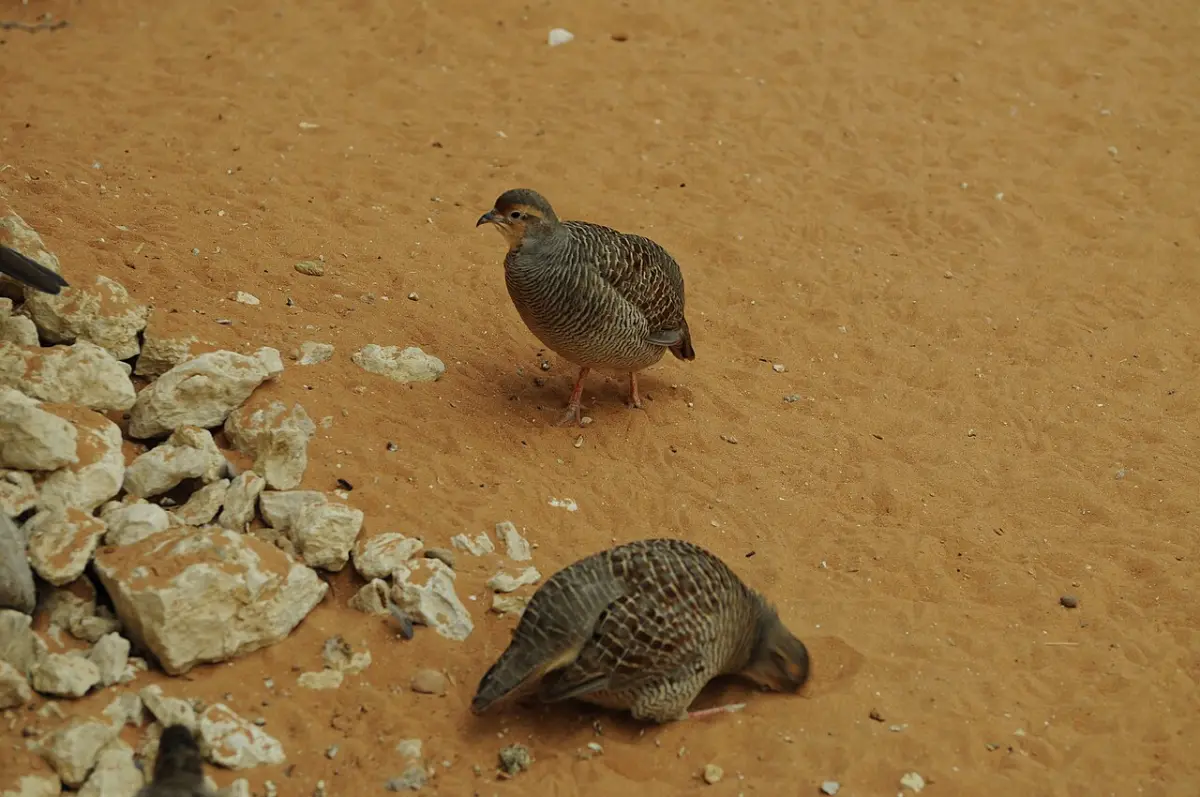
Quail are tiny, and I used to assume tiny birds meant a tiny smell problem. I was wrong fast. A stack of four cages in my garage went from fine to genuinely unpleasant in under a week, and the first time a friend walked in and wrinkled her nose before she even said hello, I knew I had a quail cage smell problem to solve.
The good news is that the smell isn’t a fact of life. It’s almost always one of three things going wrong at once: wet bedding, a droppings tray that’s gone too long between cleanings, or not enough airflow moving the ammonia out. Fix those and a cage that used to hit you in the face at the door goes back to smelling like, well, nothing much.
Why does my quail cage smell like ammonia?
Quail droppings are small, but there’s a lot of them. A healthy adult quail has a fast metabolism for its size and produces droppings constantly through the day, not in a few tidy trips like a dog. All of that waste is loaded with nitrogen, and when it sits somewhere damp, bacteria break it down into ammonia gas. That sharp, eye-watering smell is the ammonia itself, not just “poop smell.”
Three conditions make it worse:
- Moisture. Wet droppings release ammonia faster than dry ones, and spilled water or high humidity both push bedding past the point where it can absorb anything else.
- Time. Ammonia builds the longer waste sits untouched. A tray that’s fine on day one can be noticeably sharp by day four.
- Poor airflow. Ammonia is a gas. Without air movement to carry it away, it just accumulates in the space around the cage, which is exactly the “walked in and it hit me” experience.
Research on commercial poultry litter backs this up directly: untreated litter commonly sits at a pH of 8 or higher, and keeping litter pH below 7 measurably cuts ammonia release, according to Mississippi State University Extension’s poultry litter management guidance. Caked, overly wet litter is the single biggest driver of high ammonia in a poultry house, and the same physics apply at cage scale in your garage or spare room.
What’s actually in a droppings tray, and why does it matter more than the rest of the cage?
If your cage has a wire floor with a tray or pan underneath, that tray is doing almost all the odor work. The birds themselves aren’t smelly. Their droppings, sitting and composting in a shallow tray, are. A cage with clean bedding up top and a neglected tray underneath will still stink, because the tray is where the ammonia is actually being produced.
This is also why ground-pen setups and solid-floor cages smell differently than wire-and-tray setups. There’s no single collection point, so odor builds more slowly but more evenly across the whole floor instead of concentrating in one tray.
The bedding combo that actually cuts odor
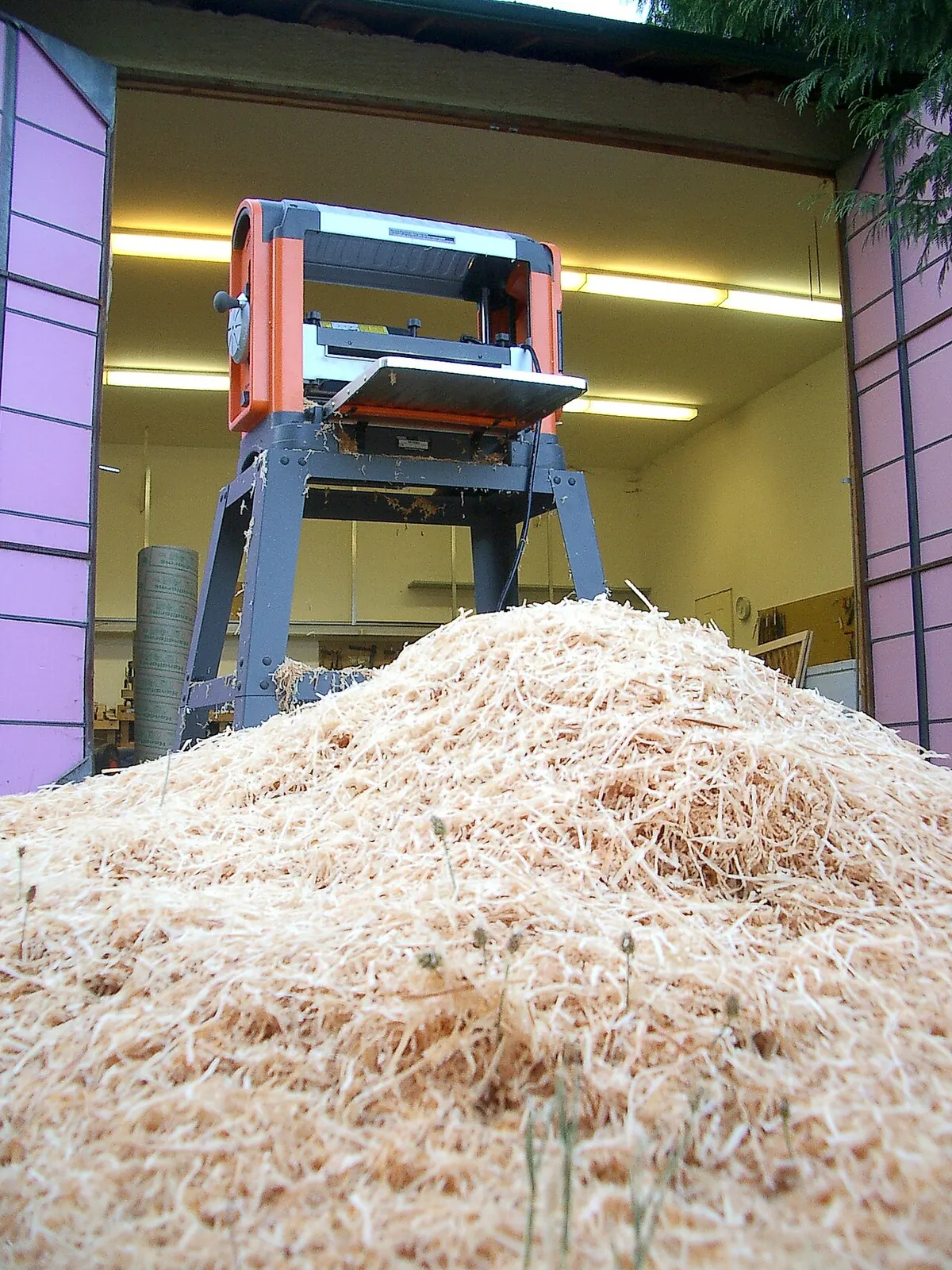
I’ve tried a lot of combinations, and the one that’s worked best for me is pine shavings with a thin layer of straw mixed through, not straw alone and not pine alone. The pine absorbs moisture fast. The straw adds bulk that keeps the whole mix from compacting into a solid, airless mat, which is what traps ammonia in the first place. If you want the longer rundown on sand versus pine versus hemp as a floor bedding, I cover that in my bedding comparison, but for a droppings tray specifically, pine plus straw beats any single material I’ve used.
A thin scoop of a zeolite-based coop refresher mixed into the tray on top of the bedding adds another layer of control. Zeolite works by physically binding ammonia molecules rather than masking the smell, so it’s treating the actual problem instead of covering it with scent.
 Sweet PDZ Coop Refresher (Zeolite Odor Eliminator). I sprinkle a thin layer of this into the droppings tray between full bedding changes. It binds ammonia instead of just covering the smell, and it's the single change that stretched my cleaning interval the most.
Food-grade diatomaceous earth is a cheaper option if you want to try odor control before buying a dedicated product. Dust a thin layer into the tray, let it sit, and scoop as usual. It’s less effective against straight ammonia than zeolite, but it helps dry the tray out, and it does double duty as a mite deterrent in dust baths.
 Harris Diatomaceous Earth, Food Grade (5 lb). This is what I keep on hand for dust baths and as a dry-out layer in trays when the tray's been damper than usual, like after a humid week.
How often should I actually clean the tray?
This is where most of the smell problems I hear about actually start: not a bad bedding choice, just too much time between cleanings. Here’s the cleaning schedule I run now, broken out by task.
| Task | How often | Why |
|---|---|---|
| Scoop solid droppings from tray | Every 2 to 3 days | Keeps waste from sitting long enough to cake and release ammonia |
| Check tray for wet spots or spilled water | Daily, quick glance | Wet spots are where odor starts first, catching them early stops it spreading |
| Full tray dump and bedding swap | Weekly | Resets the whole tray before any buildup gets ahead of you |
| Scrub tray with mild soap and rinse | Every 2 to 4 weeks | Removes the biofilm and residue a dry scoop leaves behind |
| Deep clean cage frame and perches | Monthly | Dust and dander build up away from the tray too |
A dedicated sifting scoop makes the every-2-to-3-days step fast enough that you’ll actually do it, which matters more than any product you put in the tray.
 Chicken Coop Poop Scooper, Sifting Shovel (2-Pack). The fine mesh sifts dry bedding back into the tray and keeps just the waste in the scoop, so a quick clean takes under a minute instead of turning into a full tray dump every time.
If you’re setting up cages for the first time and want the full droppings tray and airflow setup sorted before birds move in, my cage setup checklist covers that from scratch.
Does ventilation matter as much as cleaning?
Yes, and it’s the part people skip. Ammonia is a gas, so even a perfectly managed tray will smell if the air around the cage never moves. You don’t need a fan blasting the birds directly, drafts on quail are their own problem, but you do need air exchanging through the room. A small fan pointed at a wall or doorway, not at the cage, to keep air circulating past it, or a cracked window on mild days, makes a bigger difference than most people expect. I noticed less smell within a day of adding a cheap box fan outside the direct line of the cages than I did from any bedding change I’d made.
Can I compost quail droppings instead of throwing them out?
Yes, and it solves two problems at once: it gets the smell out of your living space immediately, and it turns waste you’d otherwise bag up into something useful. Fresh droppings and bedding are too high in nitrogen to put straight on plants, they can burn roots and foliage, but composting ages that nitrogen down and balances it out.
The basic process, based on backyard poultry composting guidance from the District of Saanich’s chicken manure composting guide:
- Use an open-top bin, not a sealed barrel, so air can get in and dry the moisture that drives smell.
- Fill it in one go if you can rather than adding a little at a time, so it composts evenly.
- Turn the pile every two weeks with a pitchfork, bringing the center material out to the edges.
- Keep it damp but not soaked, and cover it during heavy rain.
Expect the pile to break down into usable, dark compost in about two months or more, depending on the season and how often you turn it. Until then, it should smell earthy, not sharp. If your compost pile smells like ammonia, it’s too wet or packed too tight, the same fix as a bad droppings tray: more air, less moisture.
Is this a hygiene problem or a neighbor problem?
Both, usually, but they’re solved the same way. Indoors, odor control is mostly about your own comfort and your birds’ respiratory health. Outdoors, in a yard with property lines nearby, it’s also about whether a neighbor complains before you’ve had a chance to fix it. I’ve found that the keepers who get neighbor complaints about smell are almost never the ones cleaning on the schedule above. The smell that reaches over a fence line is the smell that’s been allowed to sit for a week, not the smell of quail in general. A well-run setup, cleaned on a 2 to 3 day cycle with decent ventilation, isn’t noticeable from more than a few feet away even directly at the cage.
The quick answers
- Quail cage smell is almost always ammonia from wet droppings, not the birds themselves.
- OSHA and ACGIH recommend a maximum 35 ppm ammonia exposure for 15 minutes; many long-term growers stop noticing the smell at all above 50 ppm, which is why a “normal” smell to you can still be too high.
- Litter pH above 7 releases more ammonia; keeping bedding dry is the single biggest lever on pH and odor both.
- Scoop droppings trays every 2 to 3 days; do a full bedding swap weekly.
- A pine-and-straw bedding mix controls odor better than either material alone.
- Zeolite-based coop refreshers bind ammonia directly rather than masking it with scent.
- Composted quail bedding typically takes about two months to turn into usable garden compost.
- If a compost pile smells sharp instead of earthy, it needs more air or less moisture, the same fix as a smelly tray.
If you’re working through the bigger list of things nobody tells you before you start keeping quail, smell is just one item on it. I cover the rest, from noise to aggression to sudden deaths, in my full list of things I wish I’d known before raising quail. And if you’re dealing with crusted droppings stuck to your birds’ feet rather than just cage odor, that’s a related but different problem covered in my guide to quail poop balls on feet.