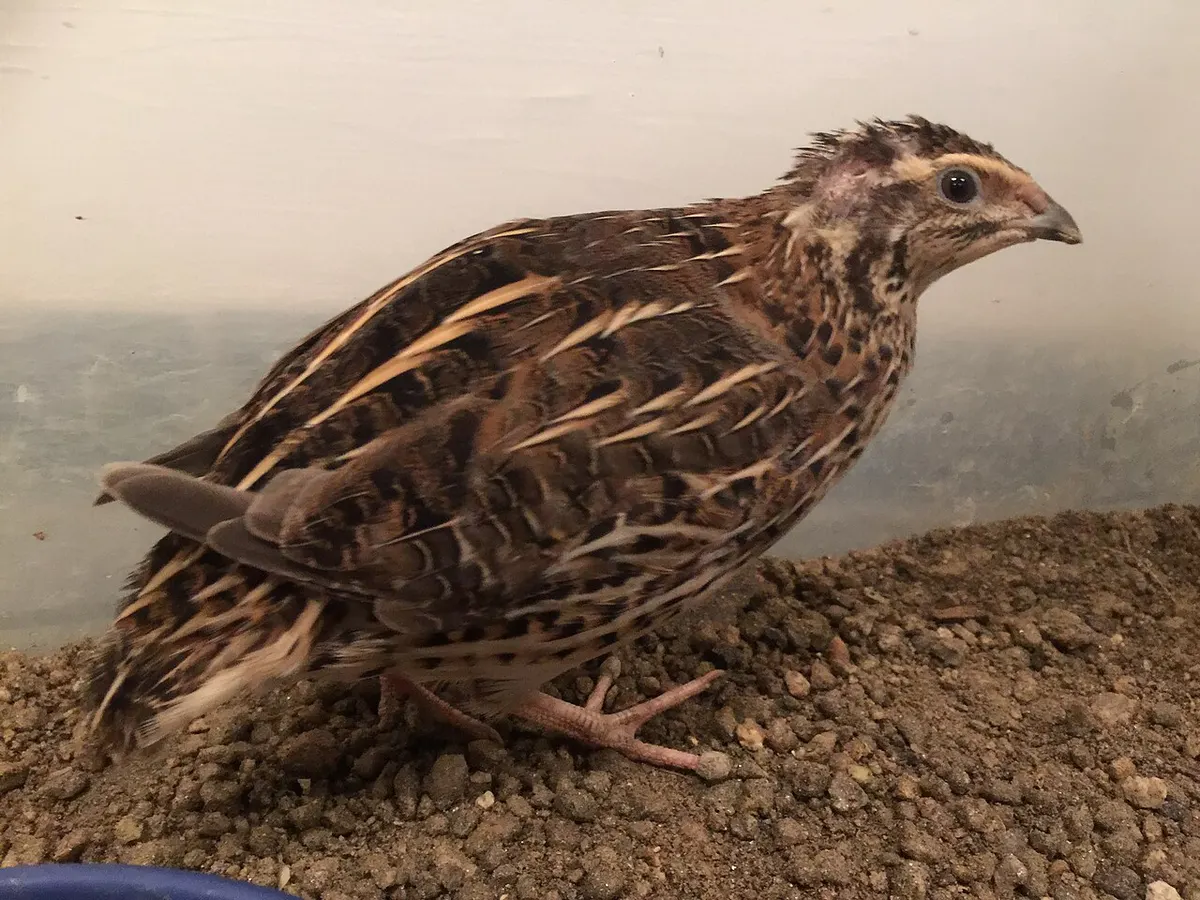
The first time I found quail poop balls on feet in my own flock, I thought one of my hens had grown a tumor on her middle toe. It was a hard, grey-brown lump the size of a pea, glued to the tip of the toe so firmly that the nail was buried inside it. It was poop. Mixed with a little feed and bedding, packed down by her own weight, and dried rock hard.
This is one of the most common surprises in the r/quails thread about what people wish they’d known before starting, and it shows up in plenty of BackyardChickens threads too. It’s easy to fix if you do it the slow way. It’s easy to make worse if you do it the fast way. Here’s both.
What are quail poop balls on feet, exactly?
They’re accumulated droppings that stick to a toe, pick up more material every time the bird walks through something damp, and harden into a ball. Keepers call them poop balls, toe balls, or “maltesers.” They usually form on the tips of the toes, often wrapping the nail completely.
They matter for three reasons:
- The nail is trapped. The ball bonds to the nail. Pull the ball and the nail can come with it, which means a bleeding toe.
- The toe can’t move normally. A heavy ball changes how the bird stands. On a young, growing chick, a ball left on for long can hold a toe at the wrong angle while it develops.
- The skin underneath stays wet and dirty. Constant contact with manure is exactly the condition that breaks down foot skin and lets infection in.
Chicks get them most, because their toes are tiny and their brooder is usually the dampest, messiest place they’ll ever live. Adult birds on solid floors with tired bedding are next.
Why do quail get poop balls on their feet?
Short answer: wet droppings plus something to stick them together. Every case I’ve had traced back to one of these.
Wet or overdue bedding
Quail are poop machines, and a lot of it is wet. Once bedding gets damp, droppings stay soft long enough to stick to toes instead of drying out. In commercial poultry, litter above roughly 30% moisture is linked to more footpad problems, and caked litter wears down the outer skin of the foot (The Poultry Site’s summary of footpad dermatitis research covers the details). Same physics in a backyard cage, just smaller.
Leaky or splashy waterers
The brooder that gave me the worst poop balls had an open chick fount the birds stood in, kicked shavings into, and tipped twice a day. The area around it was a swamp. Switching to cups and nipples dried that corner out within days. If your waterer creates a wet spot, that wet spot is where the balls start.
Solid floors cleaned too rarely
A solid floor with bedding is fine, and I like it for most adults, but it means birds walk on their own output between cleanings. Stretch the cleaning cadence too far and you’ll see balls.
Wire floors (sometimes)
Wire floors let most droppings fall through, so they usually help. But sticky droppings can still cling to wire and build up at the edges or on cross wires, and birds that stand in those spots collect it. Wire also has its own foot drawbacks, which I cover in wire cages vs ground pens.
Sticky droppings
Diet and gut health affect how wet and sticky droppings are. A bird with persistently runny droppings is more likely to collect balls, and runny droppings that don’t clear up are worth investigating on their own.
| Cause | What you’ll notice | Fix |
|---|---|---|
| Damp bedding | Clumps, smell, darker patches | Spot clean daily, full change sooner |
| Leaky waterer | One soggy zone near water | Cups or nipples, raise or move it |
| Overdue floor cleaning | Caked layer on a solid floor | Shorter cleaning interval |
| Dirty wire | Buildup on wire edges and corners | Scrape wire and trays weekly |
| Runny droppings | Pasty vents, wet floor everywhere | Check feed and health, ask a vet if it persists |
How to remove poop balls from quail feet safely
The rule: never pull a poop ball off dry. That’s how keepers end up with torn-off nails and bleeding toes. One BackyardChickens poster lost nails on two hens doing exactly that. Soften first, always.
What you need
- A small clear container (a deli tub or a clear plastic shoebox)
- Warm water, comfortably warm on your wrist, not hot
- A few drops of mild dish soap (optional, it helps on old, greasy buildup)
- An old soft toothbrush or a cotton swab
- A towel, and a warm spot for the bird to dry off afterward
Step by step
- Fill the container shallow. Somewhere around 1/4 inch to 1 inch of water, enough to cover the toes and the ball, no deeper. Quail can drown in surprisingly little water, especially chicks.
- Stand the bird in it and stay right there. Hold the bird gently with the feet in the water, or let it stand in the tub while you watch. Never leave a quail alone in water, even for a minute.
- Soak for several minutes. A fresh ball softens in 2 to 5 minutes. An old, hard one can take 10 to 20. One keeper’s method is a soapy soak of up to 20 minutes, and that matches my experience on the worst ones.
- Work it gently. Once it’s soft, rub it with your thumb or the toothbrush. It should crumble or slide off. If you feel resistance, stop and soak longer.
- Don’t finish it in one go if it won’t budge. If a big ball only partly softens, take off what comes easily, dry the bird, and repeat the next day. Two gentle sessions beat one torn nail.
- Dry the bird well. A wet quail chills fast. Towel the feet and belly, and put chicks back under heat promptly.
- Look at the toe. Check the skin and nail you just uncovered for redness, scabs, or swelling.
What if the nail bleeds?
Small nicks happen. Apply light pressure with a clean cloth until it stops, and keep that bird on clean, dry bedding for a few days so the toe can heal. If a nail is torn off, the toe is swollen, or the bird is limping, separate it and treat it as a wound. A deep or worsening injury needs an avian vet.
Poop balls or bumblefoot? How to tell
They can look similar on a dirty foot, which is why the first step is always to clean the foot and look.
Poop balls come off once softened, and the skin underneath is normal or just a little pink.
Bumblefoot (pododermatitis) is a bacterial infection of the footpad, most often from Staphylococcus aureus getting in through a small wound, according to University of Maryland Extension. Signs include:
- Swelling of the footpad or a toe that doesn’t go away after cleaning
- A dark scab or plug on the bottom of the foot
- Warmth and redness around that spot
- Limping or reluctance to stand
| Poop ball | Bumblefoot | |
|---|---|---|
| Location | Tips of toes, around the nail | Bottom of the footpad, sometimes toes |
| Comes off with soaking? | Yes | No, it’s in the tissue |
| Skin underneath | Normal | Swollen, red, warm, scabbed |
| Limping | Rarely | Common |
| What to do | Soak and prevent | Avian vet, especially once there’s a scab |
They’re connected, too. Feet that stay in wet manure for weeks are prime candidates for skin damage and infection. Veterinary guidance on bumblefoot treats early, mild cases with husbandry changes, but once there’s a scab or open lesion it typically needs a vet for cleaning out, bandaging, and often antibiotics. I don’t try to cut out bumblefoot plugs at home on a bird this small.
How to prevent quail poop balls on feet
Everything here comes down to dry footing. Keep the floor dry and the balls mostly stop forming.
Fix the water first
If I could make only one change, it’s this one. Cups and nipples keep water off the floor. If you’re using an open dish for chicks, add marbles or clean pebbles so birds can drink without standing or falling in, and put it somewhere easy to clean around. My full rundown is in best quail waterers.
 RentACoop 1 Gallon Waterer with Cups & Nipples. A small enough waterer for a quail cage, with cups the birds learn on and nipples that keep water from ever reaching the floor. This is the swap that dried out my soggy corner.
Use bedding that soaks up moisture
Absorbent bedding pulls water out of droppings fast so they don’t stay sticky. Pine shavings work. Hemp is better at absorbing. Sand dries droppings well and lets birds wear off small bits as they walk. My comparison is in best bedding for quail.
 Small Pet Select Hemp Hurd Bedding (36 lb). Hemp hurd absorbs a lot of moisture for its volume, which is exactly what you want under birds that make wet droppings all day. It costs more up front than pine but lasts longer between full changes.
 Sweet PDZ Coop Refresher (10 lb). A zeolite mineral you sprinkle into bedding or droppings trays. It's sold for odor control, and in my cages it also helps keep wet spots from turning into a paste.
Clean on a schedule, not when it smells
By the time a cage smells, it’s been wet for a while. This is the routine I settled on:
| Task | How often |
|---|---|
| Glance at feet while doing chores | Daily |
| Spot clean wet patches near water and feeders | Daily |
| Empty droppings trays (wire floors) | Every 2 to 3 days |
| Full bedding change (solid floors) | Weekly, sooner for chicks |
| Scrape wire floor edges and corners | Weekly |
| Handle each bird and check toes up close | Weekly |
Watch the brooder hardest
Chicks are the most at risk and the least able to handle a long soak. Change brooder bedding more often than you think you need to, keep the waterer from making a wet ring, and check toes every day for the first few weeks. My brooder setup guide covers the layout.
When to see a vet
Most poop balls are a cleaning job, not a medical one. Call an avian vet if:
- The foot or a toe is still swollen after cleaning
- There’s a dark scab or plug on the bottom of the foot
- A torn nail or wound keeps bleeding or starts to look infected
- The bird is limping, not standing, or not eating
- A toe looks bent or set at an odd angle on a growing bird
The quick answers
- Quail poop balls are hardened droppings stuck to the toes, usually around the nails.
- Never pull a poop ball off dry; it can tear the toenail out.
- Soak the foot in 1/4 to 1 inch of warm water for 2 to 20 minutes, then rub the softened ball off.
- Never leave a quail unattended in water; chicks can drown in very shallow water.
- Dry the bird completely after soaking, and put chicks back under heat.
- Wet bedding and leaky waterers cause most poop balls.
- Cups or nipple waterers and absorbent bedding are the two best fixes.
- Bumblefoot is a footpad infection, not a poop ball; it doesn’t soak off and needs a vet once there’s a scab.
- Check chick toes daily in the brooder and adult toes at least weekly.
If you’re still planning your first flock, this is one of nine problems I cover in 9 things to know before raising quail. Keep the floors dry and you’ll rarely deal with quail poop balls on feet at all.