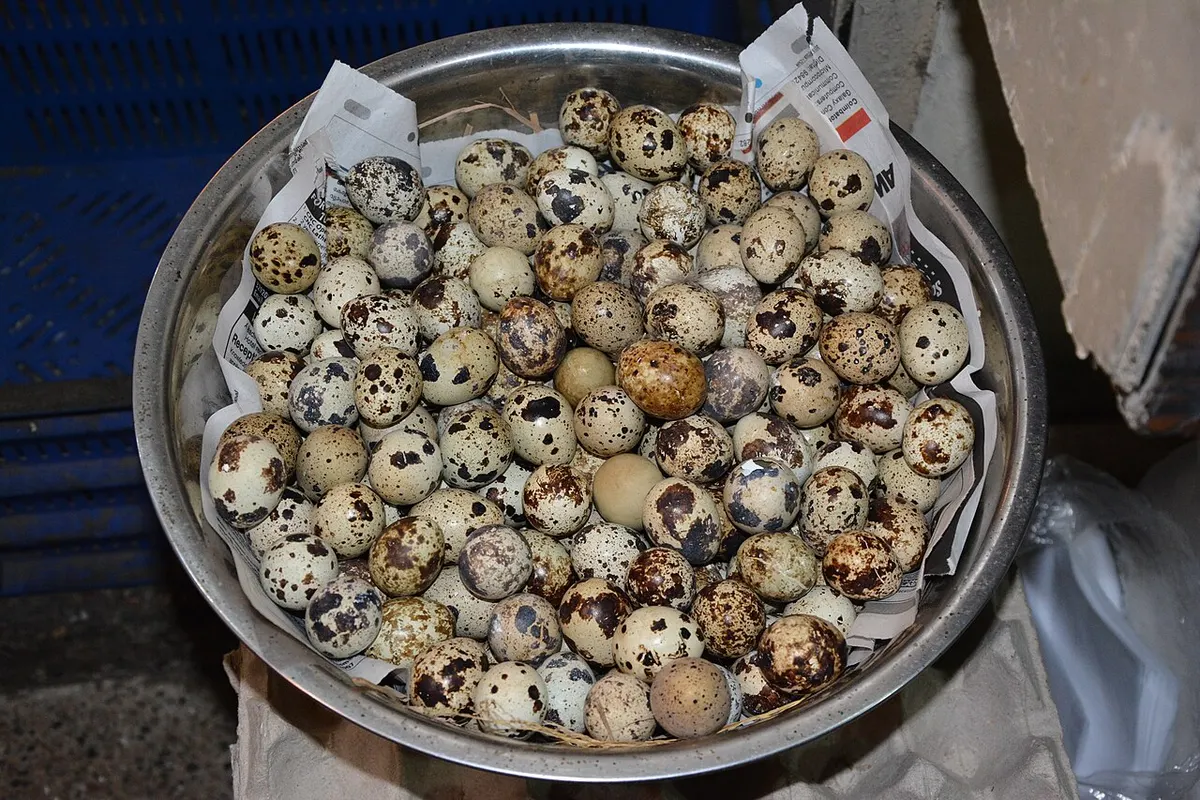
I’ve bought quail hatching eggs four different ways now: from a big hatchery, from a small breeder on Facebook, off eBay on a whim, and once, embarrassingly, from a listing on Amazon that I almost didn’t trust. Every method worked. None of them worked the same, and the prices swung a lot more than I expected going in. If you’re trying to figure out where to buy quail hatching eggs without getting burned on a bad hatch rate, here’s what I’ve learned about each option and what you should actually expect to pay.
The short version before you buy
Shipped eggs hatch worse than eggs you pick up in person. That’s not a knock on any seller, it’s physics. Every mile in a USPS truck is vibration and temperature swing the embryo didn’t ask for. Local pickup from a breeder near you, even a stranger from a poultry Facebook group, will usually out-hatch anything mailed to your door. If shipping is your only option, order more eggs than you need and set your expectations at 50 percent, not 90 percent.
Dedicated hatcheries selling quail hatching eggs
Hatcheries ship eggs for a living, which means better packing than a hobbyist mailing a flat rate box for the first time. A few I’d point you toward:
Cackle Hatchery sells Pharaoh Coturnix hatching eggs in bulk lots, 50 eggs for $95.00 or 100 eggs for $150.00 as their most recent listing, which works out to $1.50 to $1.90 per egg depending on how much you order. They ship Monday only and are upfront that there’s no guarantee on hatchability and no refunds if your hatch is disappointing. That’s standard hatchery language, not a red flag specific to Cackle, but read it before you order.
Valley Hatchery sells Coturnix in sets of three dozen (36 eggs) at roughly $1.80 per egg, including their Jumbo Egyptian and Jumbo Pharaoh strains.
Stromberg’s carries three Coturnix varieties (standard Japanese Coturnix, Black Tuxedo, and Texas A&M, the meat strain), plus free shipping on orders over $150, which is easy to hit if you’re ordering enough eggs to make a shipped hatch worthwhile.
Chicken Coop Company ships Coturnix, California Valley, Button, and Jumbo Brown quail eggs nationwide and backs orders with a hatch guarantee, which is worth something if you’ve been burned by a “no refunds” policy elsewhere.
Marketplaces: eBay and Amazon
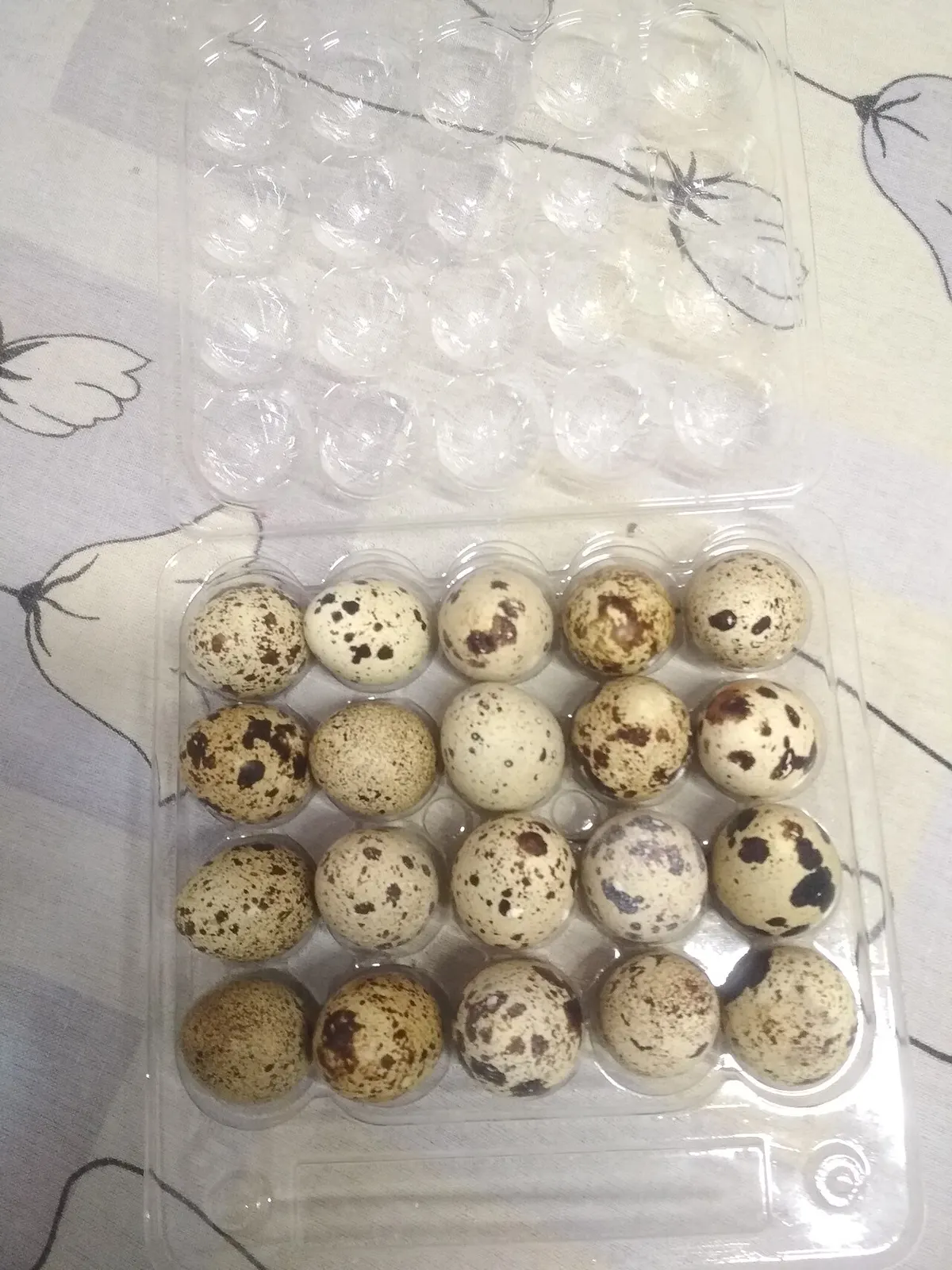
eBay has become a real channel for quail eggs, mostly from small breeders rather than commercial hatcheries. This is where I’ve found rarer colors like Celadon Coturnix that the big hatcheries don’t always stock. Pricing is all over the map since it’s set by individual sellers, and hatch guarantees are the exception, not the rule. Read the seller’s feedback and their shipping description (styrofoam box, foam wrap, how many extras they include) before you buy.
Amazon also carries quail hatching eggs, listed as grocery items from small suppliers rather than Amazon itself. I’ve seen 12-count and 24-count boxes from sellers like Daily Bread Homestead. The convenience is real (Prime shipping speed, easy returns process on paper), but you’re still buying from a third party you haven’t vetted the way you’d vet a known hatchery, so treat the reviews the same way you’d treat eBay feedback.
Finding a local breeder
QuailSales.com works like a breeder directory, letting you browse listings for live quail, hatching eggs, and chicks by state. This is the closest thing to a national marketplace built specifically for quail rather than general poultry.
Beyond that, check local Facebook poultry and homesteading groups, backyard chicken forums with a regional section, and county fair or swap meet bulletin boards. These sellers rarely have a website, but they’re often your best shot at picking up eggs in person instead of shipping them, which is the single biggest lever you have over your hatch rate.
What you’ll actually pay: a comparison
| Source | Price per egg (approx.) | Ships eggs? | Hatch guarantee | Best for |
|---|---|---|---|---|
| Cackle Hatchery | $1.50 to $1.90 (sold in 50s/100s) | Yes, USPS, Monday ship | No guarantee, no refunds | Bulk Pharaoh Coturnix orders |
| Valley Hatchery | About $1.80 (sets of 3 dozen) | Yes | Check current listing | Jumbo Coturnix strains |
| Stromberg’s | Varies by variety | Yes, free over $150 | Check current listing | Trying different Coturnix types |
| Chicken Coop Company | Varies by order | Yes, nationwide | Hatch guarantee offered | Buyers who want a refund policy |
| eBay | Highly variable | Yes, seller dependent | Rare, seller dependent | Rare colors like Celadon |
| Amazon | Varies by listing | Yes | Rare | Convenience, fast shipping |
| QuailSales.com breeders | Set by breeder | Sometimes, or local pickup | Breeder dependent | Finding someone near you |
| Local (Facebook, swaps) | Often the cheapest | No, local pickup | Rarely written, but ask | Best possible hatch rate |
What happens to hatch rate when eggs travel
This is the part first-timers underestimate. With eggs from your own established flock, you can expect somewhere around 75 to 95 percent hatchability. Local pickup from someone else’s flock runs a bit lower, often around 80 percent. Shipped eggs are a different story: real-world results range anywhere from 0 to 70 percent, with a lot of hatchers landing closer to 50 percent as a realistic average. A study on long-term egg storage and hatchability backs this up: the longer and rougher the trip from nest to incubator, the more hatchability drops, independent of anything you do right once the eggs arrive.
That’s why every hatchery worth ordering from tells you to buy more eggs than you think you need. If you want six laying hens, order 15 to 20 eggs, not eight.
Handling eggs once they arrive
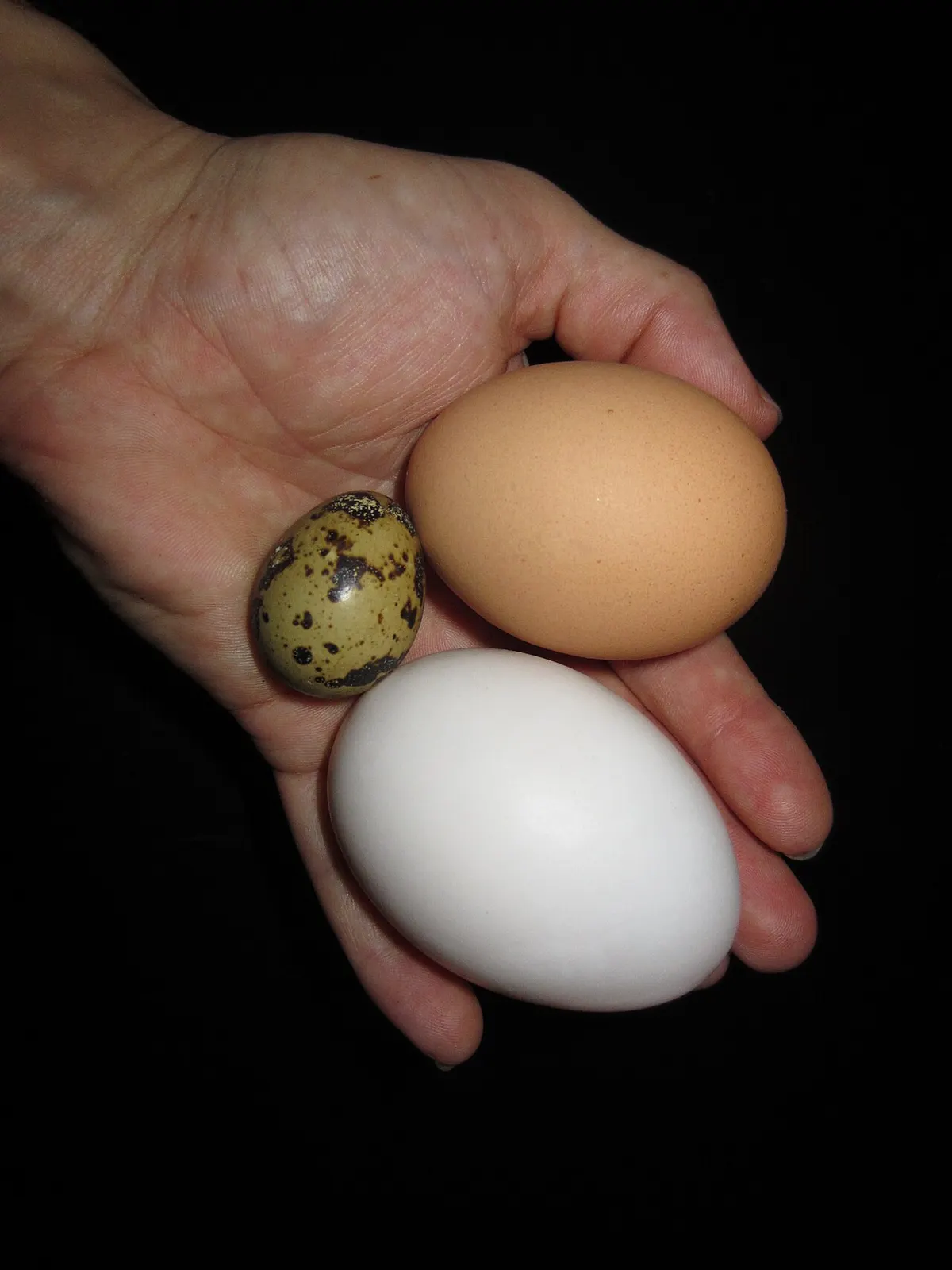
Let shipped eggs rest pointy end down for a few hours before you do anything with them, this lets the air cell settle after the jostling. Store them at 55 to 60°F if you’re not incubating immediately, turning them once a day, and try to get them into the incubator within 7 to 10 days. Fertility and hatchability both drop the longer eggs sit before incubation. Once they’re in, you’re running the standard Coturnix numbers: 99.5°F, 45 to 50 percent humidity for the first 14 days, then 60 to 65 percent humidity for lockdown through hatch day around day 17 or 18. I’ve got the full day-by-day process, including when to stop turning and what your humidity should look like during lockdown, in how to incubate quail eggs.
Once eggs are a few days in, candling tells you which ones are developing and which ones to pull before they go bad and risk the rest of the batch.
Picking an incubator for a shipped batch
If this is your first order of shipped eggs, an auto-turning tabletop unit takes one variable off your plate while you’re already dealing with lower odds than a home-grown batch.
 Harris Farms Nurture Right 360 Incubator. Holds a good batch of quail eggs with automatic turning built in, so you're not hand-turning three times a day on top of everything else a shipped hatch already asks of you. The clear dome lets you check on things without opening the incubator and losing humidity.
If you’re the type who’s going to keep ordering 50 or 100 eggs at a time from a hatchery, a tabletop unit gets cramped fast.
 GQF Sportsman 1502 Digital Cabinet Incubator. Built for people ordering in bulk more than once, with digital temperature and humidity control across multiple trays instead of one small dome.
I’ve written up the full range of options, including budget picks under $100 and when a cabinet unit is worth the upgrade, in best quail egg incubators.
The quick answers
Coturnix quail eggs hatch in 17 to 18 days with steady temperature and humidity.
Store fertile eggs at 55 to 60°F for up to 7 to 10 days before incubating, pointy end down, turned once daily.
Expect roughly $1.50 to $2.00 per egg from most hatcheries, before shipping costs.
Local pickup hatch rates run 75 to 95 percent; shipped eggs average closer to 50 percent, with a real range of 0 to 70 percent.
Order 25 to 50 percent more eggs than your target number of birds to offset shipping losses.
Most hatcheries explicitly do not guarantee hatch rate on shipped eggs. A few, like Chicken Coop Company, do offer a hatch guarantee, so it’s worth comparing policies before you order.
NPIP certification on a hatchery’s flock is a disease-testing credential, not a hatch-rate promise, but it’s a good sign of a well-run operation.
Wherever you end up buying quail hatching eggs, the ordering part is honestly the easy half. Getting a good hatch out of a shipped batch is the part that takes patience.