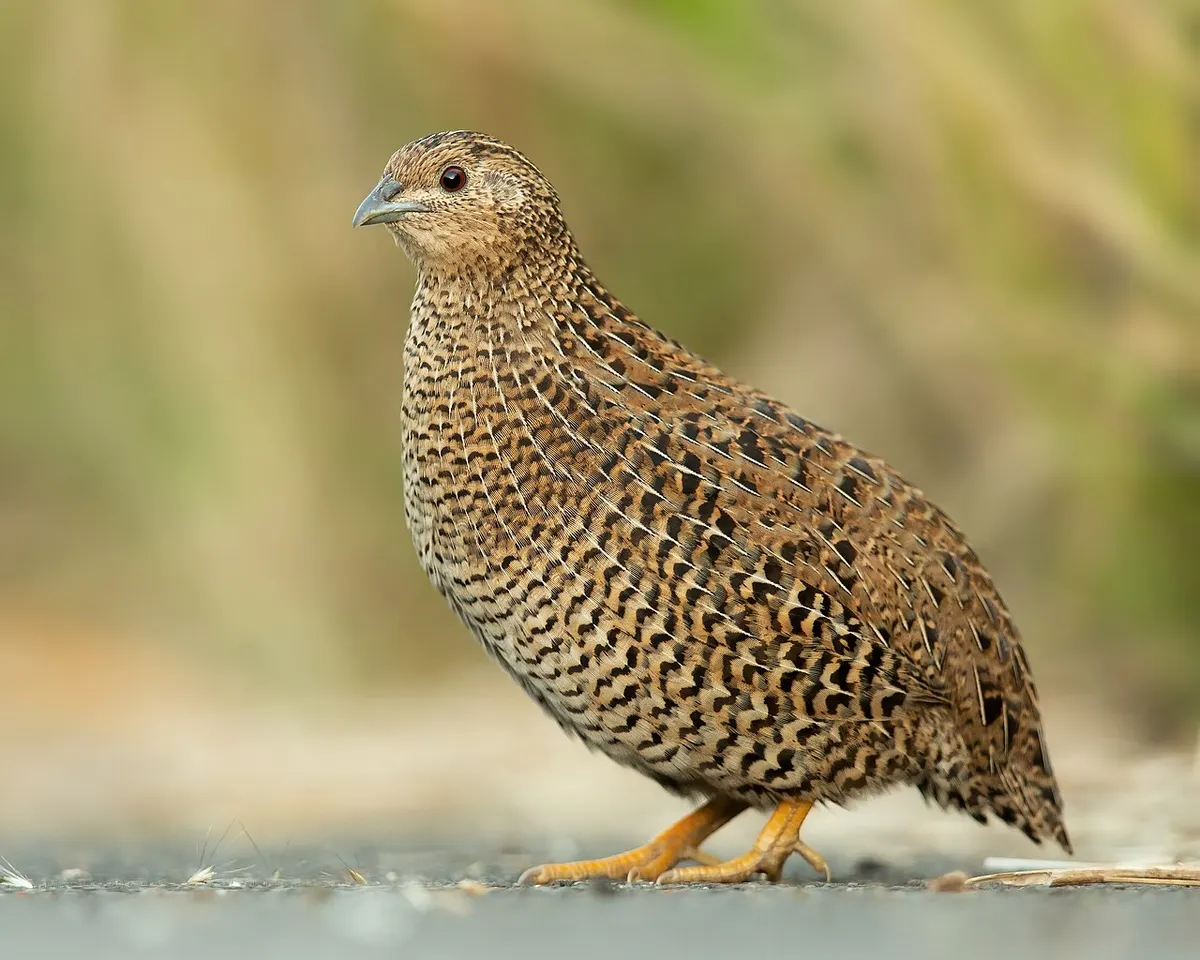
The first time I found a quail dead in the cage with absolutely nothing wrong with her, no blood, no missing feathers, no limp, I spent an hour convinced a ghost had done it. She’d eaten that morning. She’d been fine the night before. Quail dying suddenly with no warning is one of the most unsettling things about keeping these birds, and it happens to almost everyone eventually, usually more than once.
The good news is that “no warning” almost never means “no cause.” It means the cause didn’t leave a mark you know how to read yet. This article walks through the real reasons quail drop dead with no obvious injury, split into what’s common in chicks versus adults, how to tell a one-off loss from the start of an outbreak, and what to actually do about each one.
One Dead Bird vs. a Pattern: The First Call When Quail Are Dying Suddenly
Before you chase a cause, figure out which situation you’re in. A single quail dying suddenly, with the rest of the covey eating, drinking, and acting normal, points to a different list of causes than two or three deaths inside a few days.
| Single, isolated loss | Cluster of losses (2+ in days) | |
|---|---|---|
| Likely causes | Impact trauma, egg-related injury, organ failure, old age | Disease outbreak, toxin exposure, heat or cold event, equipment failure |
| Rest of covey | Normal behavior, eating and drinking | Often lethargic, off feed, or also dropping |
| Droppings | Usually normal | Watery, bloody, or white and loose |
| Urgency | Note it, watch the covey for 48 hours | Isolate survivors, check water and feed immediately, consider a vet call same day |
| Necropsy worth it? | Only if it keeps happening | Yes, especially if a second bird dies |
If you’re only ever losing one bird every few months with no pattern, you’re probably looking at ordinary bad luck, the kind every keeper of short-lived birds eventually has. If you’re losing more than one in a short window, skip ahead to the outbreak causes below and act today, not this weekend.
Chicks and Very Young Birds Die the Fastest, and the Easiest to Prevent
Most of the sudden deaths I hear about from new keepers happen in the first two weeks of a chick’s life, and almost all of them trace back to one of three things.
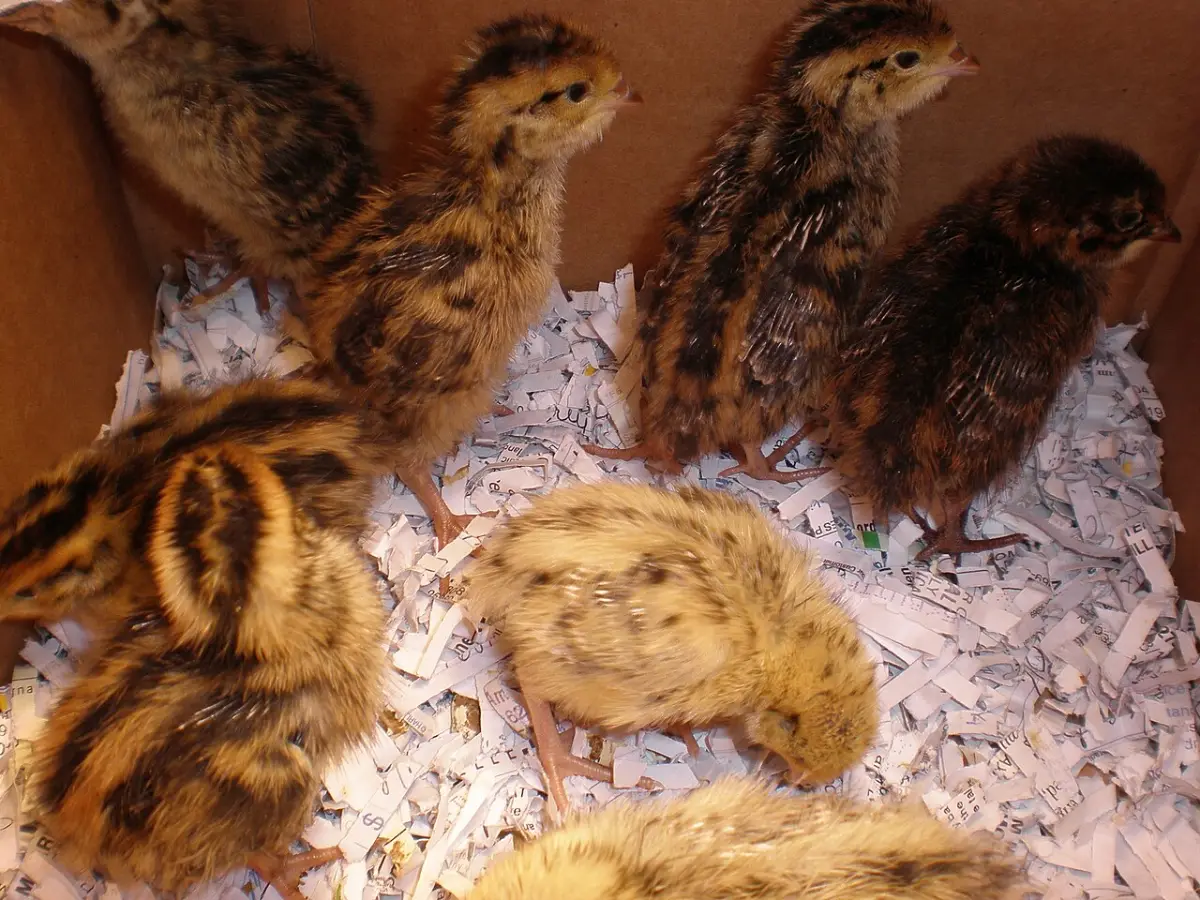
Chilling. A coturnix chick’s whole survival strategy for its first week of life is “stay near something warm.” Mississippi State University Extension recommends starting the brooder around 90 to 95°F an inch above the litter, and most keepers run the hot spot directly under the heat source closer to 95 to 100°F for days one through seven. A chick that gets knocked away from the heat source, or whose heat plate failed overnight, can go from fine to dead in a matter of hours, not days. It doesn’t always look dramatic. Sometimes it’s just a still, cold little body in a corner the next morning. See our full brooder setup guide for the week-by-week temperature schedule.
 RentACoop 12x12 Radiant Heat Plate. This is the gear I point people toward after a chilling loss. A heat plate gives chicks a stable, hen-temperature surface to huddle under instead of a swinging bulb temperature, and it can't fall into bedding and start a fire the way a clamp lamp can.
Drowning. Day-old chicks are barely coordinated and will walk straight into an open water dish and not be able to climb back out. Fill any open waterer with clean marbles or a sponge cut to fit for the first week, just enough that a chick can drink between the gaps but can’t fully submerge.
Crowding and piling. Too many chicks in too small a brooder pile on top of each other for warmth, and the ones on the bottom of the pile can suffocate. This is a different mechanism than the pecking and scalping that crowding causes in adult birds, but the fix is the same: more floor space, which also happens to prevent the next section’s problems before they start.
Adult Quail Deaths: The Usual Suspects When There’s No Blood
Fright and impact trauma
Coturnix don’t really fly so much as detonate straight up when startled. In a cage between roughly 12 inches and 6 feet tall, a flushing bird has just enough room to build dangerous speed before its head meets the ceiling, and a broken neck from that impact can look exactly like “found dead for no reason.” Our cage size guide covers the height rule that fixes this: keep cages shorter than 12 inches or taller than 6 feet, nothing in between. Sudden noise, a dog, a thunderstorm, or even you moving too fast near the cage at night can trigger the flush that kills a bird this way.
Heat stress
Quail handle cold far better than heat. On hot, still days, especially above 90°F with poor airflow, birds can go from panting to dead within an hour with nothing else visibly wrong. Shade, cross-ventilation, and frozen water bottles laid in the cage all buy time on a bad day. Electrolyte and probiotic supplements added to water during a heat wave can help birds that are already stressed recover instead of crashing further.
 Poultry Electrolyte & Probiotic Powder. I keep a container of this on hand specifically for heat waves. Mixed into the waterer at the first sign of panting or wings held away from the body, it supports rehydration while you deal with shade and airflow.
Egg-related injury
It’s less common in coturnix than in heavier breeds, but a hen can die from an egg that ruptures internally or gets stuck (egg binding), especially a hen that’s too young, under calcium, or laying a malformed egg. There’s usually nothing external to see. If you catch a hen straining, sitting puffed up and still, or walking like a penguin before she dies, that’s the window to intervene with warmth, a calcium check, and a vet call, not a wait-and-see.
Crop impaction or sour crop
Long grass clippings, too much bread or pasta as treats, moldy feed, or a swallowed bit of plastic or rubber band can jam a quail’s crop. A firm, swollen crop that doesn’t empty overnight is impaction, and in bad cases it presses on the windpipe and the bird suffocates. Keep grass clippings short, skip the bread, and store feed somewhere it can’t get damp.
Toxins in bedding or air
Cedar and other aromatic wood shavings release oils that can damage a quail’s lungs and, over time, its liver, and the damage doesn’t always announce itself before a bird just stops. Stick to pine shavings, straw, hemp, or sand. Ammonia buildup from a cage that hasn’t been cleaned does something similar to the respiratory tract; if you can smell ammonia standing over the cage, it’s already past the point birds are comfortable with.
The One Disease That Actually Earns the Name “Quail Disease”
If you’ve never heard of ulcerative enteritis, it’s worth knowing the name, because it’s the single best-documented cause of genuinely sudden, no-warning death in quail. Caused by the bacterium Clostridium colinum, it got nicknamed “quail disease” because bobwhite quail are the most susceptible species on record. According to the Merck Veterinary Manual, the acute form can kill a bird with no clinical signs and no weight loss at all, “sudden death, without premonitory signs,” and mortality in an affected group of bobwhite can approach 100% within two to three days. Japanese quail (coturnix) can catch it too, generally with somewhat less severe outbreaks than bobwhite.
What tips you off that this might be what you’re dealing with: more than one death in quick succession, and, if you check droppings closely, some birds with watery or blood-tinged stool before they go. A single dead bird with a full crop and no diarrhea anywhere in the covey is much less likely to be this. If you suspect it, this is exactly the situation that calls for a vet or a state poultry diagnostic lab, both for treatment of survivors and to confirm what you’re actually dealing with.
What to Check in the First 10 Minutes After Finding a Dead Bird
- Look at the neck and body, don’t skip this. A loose or oddly angled neck means impact trauma. Wounds or a missing head point to a predator, not disease.
- Check the crop. Full and firm with no give, think impaction. Empty, think something else.
- Check the vent area. Straining, a visible stuck egg, or swelling points to an egg-related death.
- Look at the rest of the covey, right now. Anyone lethargic, fluffed up, or off their feet? That changes this from “one-off” to “watch closely.”
- Check droppings in the cage from the last day. Normal, firm, and dark with a white cap is a good sign. Watery, bloody, or all-white droppings from multiple birds is not.
- Check your equipment. Did a waterer run dry? Did a heat plate trip a breaker? Equipment failure is one of the most common, most fixable causes of a cluster of deaths.
A Prevention Checklist That Actually Works
- Keep brooder temperatures on the Mississippi State schedule and check them with a thermometer, not a guess, for the first two weeks of every hatch.
- Fill chick waterers with marbles or a sponge until birds are coordinated enough to avoid drowning, usually by about one week old.
- Keep every cage either under 12 inches tall or over 6 feet tall, never in between, and keep floor space at or above one square foot per bird to cut down on the startle-and-pile dynamic that leads to both impact injuries and pecking.
- Skip cedar bedding entirely, and clean cages often enough that you never smell ammonia standing over them.
- Keep grass clippings short, skip bread and pasta treats, and store feed somewhere dry and sealed against mold.
- Feed a starter around 24% protein for the first six to eight weeks and a layer feed around 18% protein after that, matching what the birds’ bodies are actually doing at each stage.
- Watch for heat stress on still, hot days and have shade, airflow, and an electrolyte plan ready before the first 95°F day of the year, not during it.
- If you lose two or more birds in a short window, isolate the rest, check droppings closely, and call a vet or your state’s poultry diagnostic lab rather than waiting to see if it stops on its own.
When to Call a Vet, and What a Necropsy Actually Tells You
A single loss with no pattern usually doesn’t need a vet visit, just a mental note. Call one, or send a bird to your state’s poultry diagnostic lab, when you have two or more deaths in a short window, diarrhea or bloody droppings anywhere in the covey, or deaths that keep happening despite fixing the obvious stuff. A necropsy can directly identify things you can’t diagnose by eye: specific bacterial or parasitic infections, internal egg rupture, organ failure, or toxin exposure. Most land-grant universities run a poultry or wildlife diagnostic lab that will do this for backyard flock owners for a modest fee, and it’s the only way to turn “quail keep dying and I don’t know why” into an actual answer.
The Quick Answers
- Ulcerative enteritis, nicknamed “quail disease,” can kill a bird with zero warning signs and push mortality toward 100% in bobwhite quail within 2 to 3 days of the first case.
- Coturnix chicks need 95 to 100°F directly under their heat source for the first week of life; a chilled chick can die within hours.
- A startled quail can break its neck flushing into a cage ceiling between about 12 inches and 6 feet tall; keep cages under 12 inches or over 6 feet, nothing in between.
- Cedar shavings release oils that can damage a quail’s lungs and liver over time; use pine, straw, hemp, or sand instead.
- Coturnix starter feed runs about 24% protein; layer feed drops to around 18% protein (Mississippi State University Extension).
- One isolated death with no wounds usually means trauma, an egg-related injury, or old age. Two or more deaths in a few days means disease, a toxin, or an equipment failure, and it’s time to call a vet.
Quail dying suddenly feels random the first time it happens, but almost every case traces back to one of the causes above once you know where to look. If you’re earlier in the quail-keeping learning curve and want the fuller list of things that catch new keepers off guard, our reader-question roundup covers nine of them in one place, including this one.