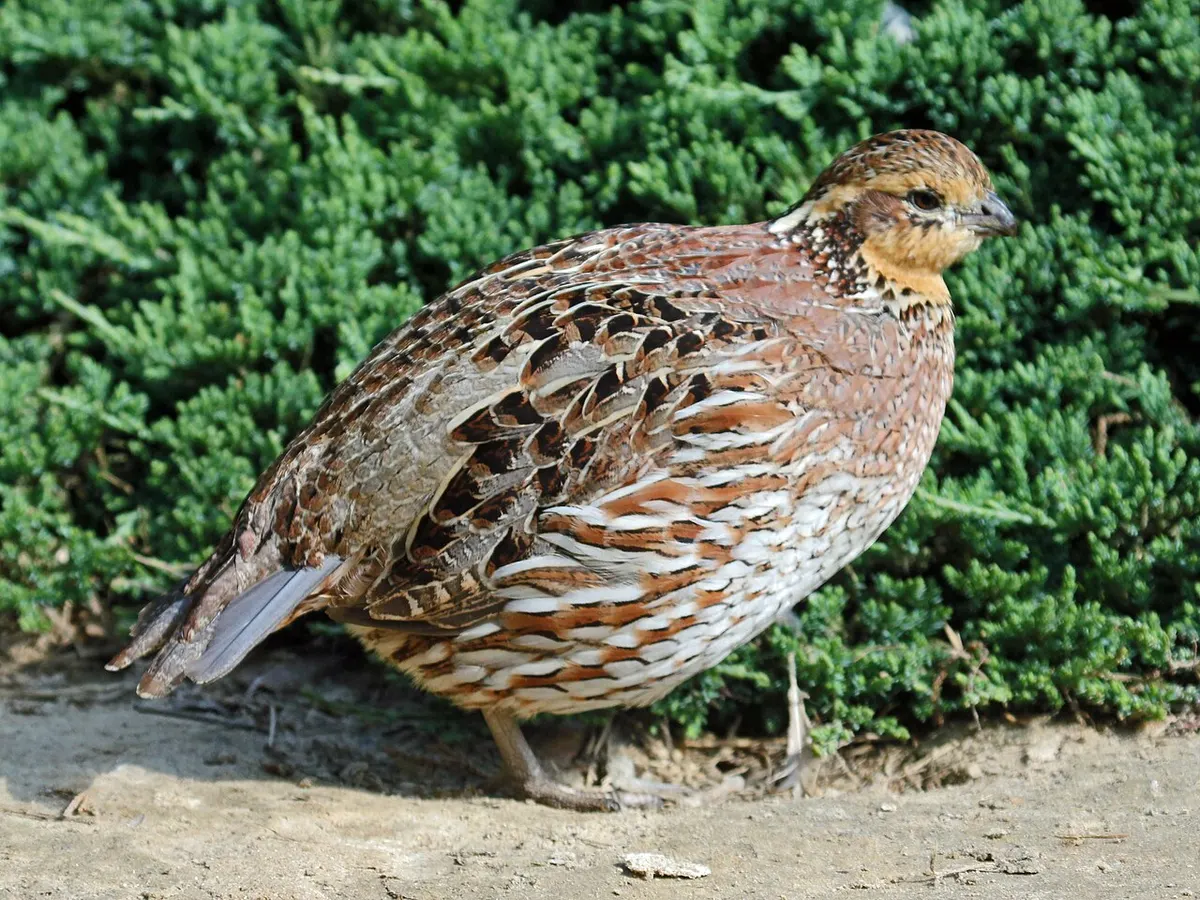
I get asked some version of this question constantly: “I want to raise quail, should I get bobwhites or Coturnix?” Half the time the person asking doesn’t realize these are two genuinely different birds, not two names for the same backyard chicken-sized pet. One is a domesticated production animal. The other is a wild North American game bird that just happens to tolerate a cage.
I’ve raised Coturnix for years and spent a season keeping bobwhites for a friend’s hunting preserve stocking project. The differences showed up fast, and most of them matter more than the size comparison everyone focuses on first.
The short version, if you’re in a hurry
Coturnix (Coturnix japonica) are the domesticated choice. They lay almost daily, mature in six to eight weeks, tolerate handling and crowding, and in nearly every US state you can buy, hatch, and keep them with zero wildlife paperwork.
Bobwhite (Colinus virginianus) are native North American wildlife that people also raise in pens. They’re flightier, slower to mature, seasonal layers, and in a lot of states you need a game breeder permit from your state wildlife agency just to legally possess one. If you want eggs, meat, or a low-friction beginner project, Coturnix wins this comparison easily. If you’re restocking a hunting preserve, training dogs, or specifically want the native bird, bobwhite is the one you actually need, paperwork and all.
Where these two birds actually come from
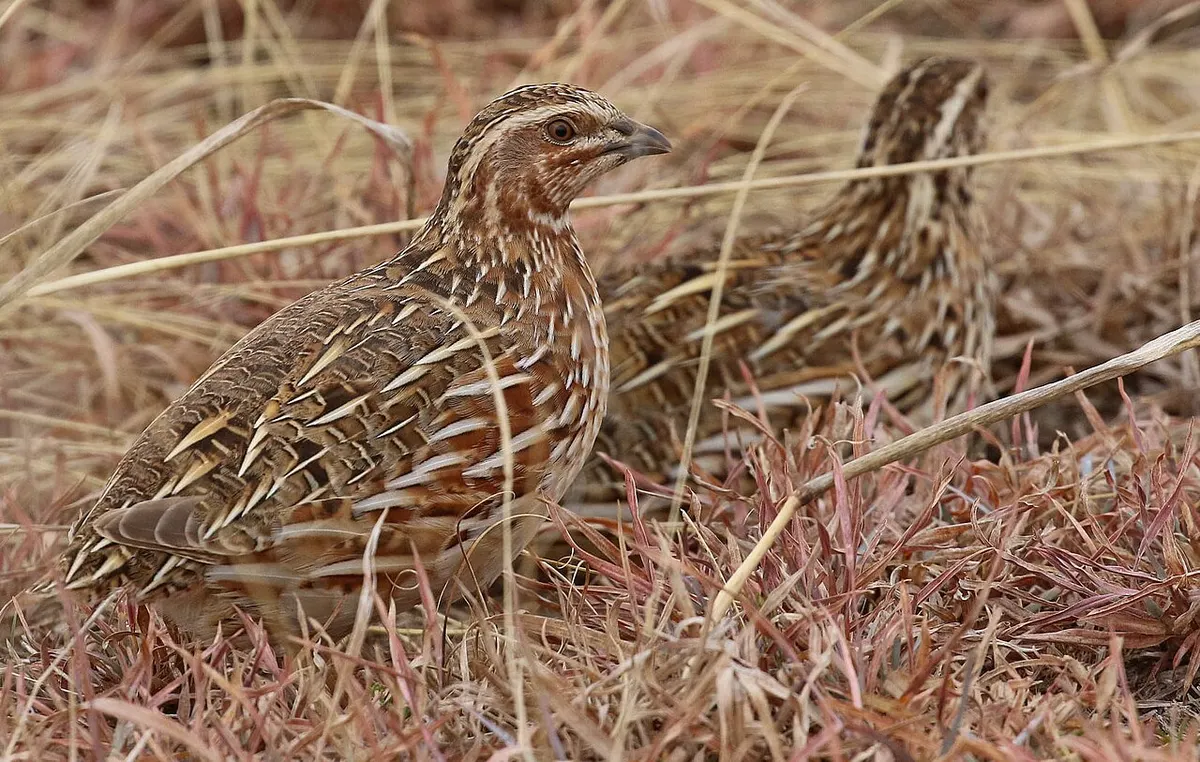
This is the part people skip, and it explains almost every other difference on this page. Coturnix japonica is an Old World bird in the pheasant family, Phasianidae, the same family as chickens and turkeys. It’s been kept in captivity since roughly the 13th century, first in Japan for its call and its eggs, later bred hard for production. Generations of selection for calm temperament and high egg output did what domestication always does: it made the bird easier to keep and less like its wild ancestor.
Bobwhite are a different family entirely, Odontophoridae, the New World quail. They’re native residents of the eastern and central United States down into northern Mexico, non-migratory, and historically formed winter coveys of a dozen or more birds. Captive propagation of bobwhite is barely a century old and was driven almost entirely by hunting preserves wanting birds to release, not by anyone selecting for a calmer pet. That’s a different kind of captive bird than a Coturnix hen bred for twenty generations to sit still in a colony cage.
Size and weight
Coturnix run bigger than most people expect once you’ve only seen bobwhite. Standard lines land around 7 to 10 ounces (200 to 280 grams) as adults, and Jumbo Coturnix strains, bred specifically for meat weight, commonly push 12 to 14 ounces (340 to 400 grams) or more. Bobwhite are a noticeably lighter bird, typically around 6 ounces (170 grams) as adults, despite a body length that’s close to a standard Coturnix.
How fast they grow, and when they start laying
Coturnix are built for speed. Eggs hatch in 17 to 18 days, and hens are laying by 6 to 8 weeks old. That whole cycle, from incubator to a laying hen, happens faster than it takes most chicken breeds to grow their first full set of feathers.
Bobwhite take longer at every stage. Incubation runs 23 to 24 days, nearly a week longer than Coturnix, and the chicks need longer before they’re a sturdy juvenile. Forum keepers who’ve raised both routinely describe bobwhite maturing roughly twice as slowly as Coturnix, with hens often not laying reliably until the spring after they hatch rather than within the same season. If you’re impatient, that gap matters.
Egg production
A healthy Coturnix hen lays close to one egg a day at peak and will produce somewhere around 200 to 300 eggs a year with no particular effort on your part. It’s a genuinely engineered trait.
Bobwhite were never bred for that. They lay in seasons rather than year-round, and total output commonly lands around 100 to 150 eggs a year under good conditions, often less in a small backyard setup without the day-length and diet tuning a game farm would use. If your main goal is a steady carton of eggs for the kitchen, this section alone should settle the comparison.
Temperament, flight, and handling
This is where the two birds feel like they’re not even the same kind of animal. Coturnix are calm enough to free-handle once acclimated, flutter rather than truly fly, and tolerate colony housing at around 1 square foot per bird without much drama.
Bobwhite are explosive flyers. It’s a trait wildlife biologists call the flush response, the same reflex hunters rely on, and in a cage it shows up as a hard, fast vertical launch the instant something startles the bird. That same reflex is a known cause of head and neck injuries in quail housing with a low ceiling, which is why bobwhite need more vertical clearance and a softer or netted cage top than a Coturnix setup gets away with. They’re also more easily stressed by crowding and do noticeably better in pairs or small groups than in a dense colony.
Noise
Coturnix noise is manageable. Hens are mostly quiet contact chirps, and roosters give a raspy two-note crow that’s moderate, not loud, and easy to eliminate entirely by keeping an all-hen flock.
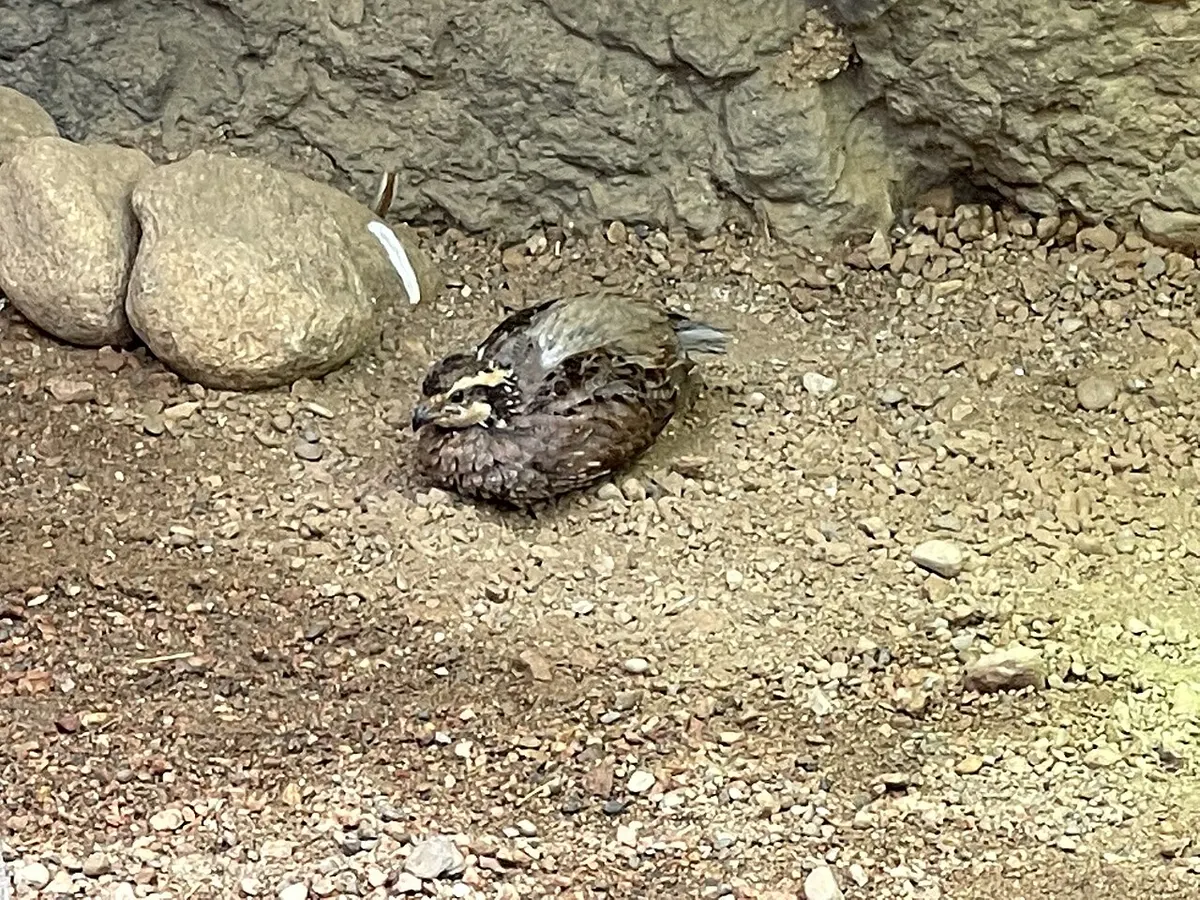
Bobwhite males are louder. The call this bird is named for, that clear, carrying “bob-WHITE” whistle, is built to travel across open farmland, and it shows up often during breeding season. It’s a genuinely different volume category than a Coturnix crow. Anyone in a tight neighborhood should read up before committing to male bobwhite specifically.
Legal status: this is not the same as keeping Coturnix
This is the detail that trips up the most people, and it’s the one I’d check first before falling in love with bobwhite. Coturnix are agricultural poultry in essentially every US state, in the same regulatory bucket as backyard chickens, with no wildlife permit required anywhere I’ve found. Local zoning or HOA rules can still apply, but that’s a property issue, not a wildlife one.
Bobwhite are native wildlife, and a number of states regulate them as such. Maryland requires a Game Husbandry Permit, a five dollar annual license, to raise, breed, or sell bobwhite because they’re classified alongside pheasant, wild turkey, and regulated waterfowl as native game birds, something Coturnix are never listed under. Mississippi requires a commercial breeder license for anyone raising more than 100 quail a year or selling any, though it exempts up to 100 birds kept purely for personal use. Rules vary enough state to state that there’s no safe general answer. Before you buy bobwhite eggs or chicks, check your own state wildlife agency’s game bird or propagation permit requirements, not just a general poultry ordinance. Our guide to checking if quail are legal in your city walks through how to find the right office to call.
Housing space
Coturnix are comfortable at around 1 square foot of floor space per adult bird in a cage, which is part of why they fit so well in small backyards. Our cage size guide has the full breakdown by flock size.
Bobwhite need more room given how flighty and injury-prone they are when crowded, commonly cited at 2 square feet or more per bird, with the vertical clearance issue from the flight section above layered on top. A cage sized right for 10 Coturnix is not automatically right for 10 bobwhite.
Meat and table quality
Both are legitimate table birds, and which one tastes “better” is genuinely subjective among the keepers I’ve talked to. Coturnix, selectively bred for meat production in Jumbo lines, dress out heavier per bird and are commonly described as mild and tender. Bobwhite are smaller at the table but have a reputation among hunters for a more pronounced, gamey flavor, and some keepers who’ve raised both say they actually prefer it. If meat yield per bird is your main goal, Coturnix’s larger average size and faster growth make the math easier. If you’re after the classic wild gamebird flavor and don’t mind a smaller carcass, bobwhite has its fans.
Cost to get started
Coturnix are cheap and everywhere. Expect roughly $2 to $5 per day-old chick from a hatchery, or $0.50 to $2 per fertile hatching egg if you’re incubating, with adults running $8 to $15. See our full raising quail for meat cost breakdown for the complete first-year math on a Coturnix meat project.
Bobwhite cost more and are harder to source, since you’re usually buying from a specialty game bird breeder rather than a mainstream hatchery, and you may be paying a permit fee on top. Industry estimates for a starter flock put bobwhite setup costs at roughly double what the same size Coturnix flock runs, partly chick price and partly the larger housing bobwhite need from day one.
If you’re hatching either species yourself, the incubator is the first real purchase, and bobwhite’s longer 23 to 24 day incubation and slightly different humidity needs are worth planning for rather than guessing at with whatever settings worked for Coturnix.
 GQF Sportsman 1502 Digital Cabinet Incubator. A cabinet incubator with enough capacity and control to run Coturnix and bobwhite eggs in separate trays at their own settings, which matters once you're not just hatching one species at 17 days flat.
Whichever species hatches, the chicks need a heat source in the brooder for the first few weeks.
 RentACoop 12x12" Adjustable Heating Plate. A radiant plate instead of an open heat lamp, safer around bedding and closer to how a hen actually warms chicks, for either species.
Bobwhite vs Coturnix: side-by-side comparison
| Coturnix Quail | Bobwhite Quail | |
|---|---|---|
| Family | Phasianidae (Old World) | Odontophoridae (New World, native US) |
| Status | Domesticated agricultural poultry | Native wildlife, often permit-regulated |
| Adult weight | 7 to 10 oz, Jumbo lines 12 to 14+ oz | About 6 oz |
| Incubation | 17 to 18 days | 23 to 24 days |
| Start laying | 6 to 8 weeks | Often not until the following spring |
| Eggs per hen per year | ~200 to 300 | ~100 to 150, seasonal |
| Temperament | Calm, handles well, tolerates crowding | Flighty, explosive flush reflex, injury-prone |
| Noise | Moderate, hens quiet | Loud carrying whistle from males |
| Space per bird | ~1 sq ft | ~2 sq ft or more |
| Chick cost | $2 to $5 | Roughly double Coturnix |
| Legal status to check | Agricultural poultry almost everywhere | Verify state game bird permit rules first |
The quick answers
- Coturnix (Coturnix japonica) are domesticated Old World poultry. Bobwhite (Colinus virginianus) are native North American wildlife, even when captive-bred.
- Coturnix lay about 200 to 300 eggs a year. Bobwhite lay seasonally, roughly 100 to 150 eggs a year.
- Coturnix incubate in 17 to 18 days and start laying at 6 to 8 weeks. Bobwhite incubate in 23 to 24 days and often don’t lay reliably until the next spring.
- Bobwhite are much stronger, more explosive flyers than Coturnix, with a flush reflex that can cause head injuries in low-ceilinged cages.
- Coturnix need no wildlife permit in most US states. Many states regulate bobwhite as native game birds, requiring a breeder or propagation permit.
- Bobwhite cost roughly double what a comparable Coturnix flock costs to start, partly due to permits and larger housing needs.
Related reading: our guide on quail cage size by flock size, how loud quail actually are if noise is your main concern, and how to check quail legality where you live before you commit to either bird.
For the permit side specifically, Maryland DNR’s Game Husbandry Permit page spells out exactly what’s required to raise native game birds like bobwhite, and Mississippi’s Department of Wildlife, Fisheries, and Parks covers its own quail breeder licensing rules in detail if you want a second state’s approach for comparison.