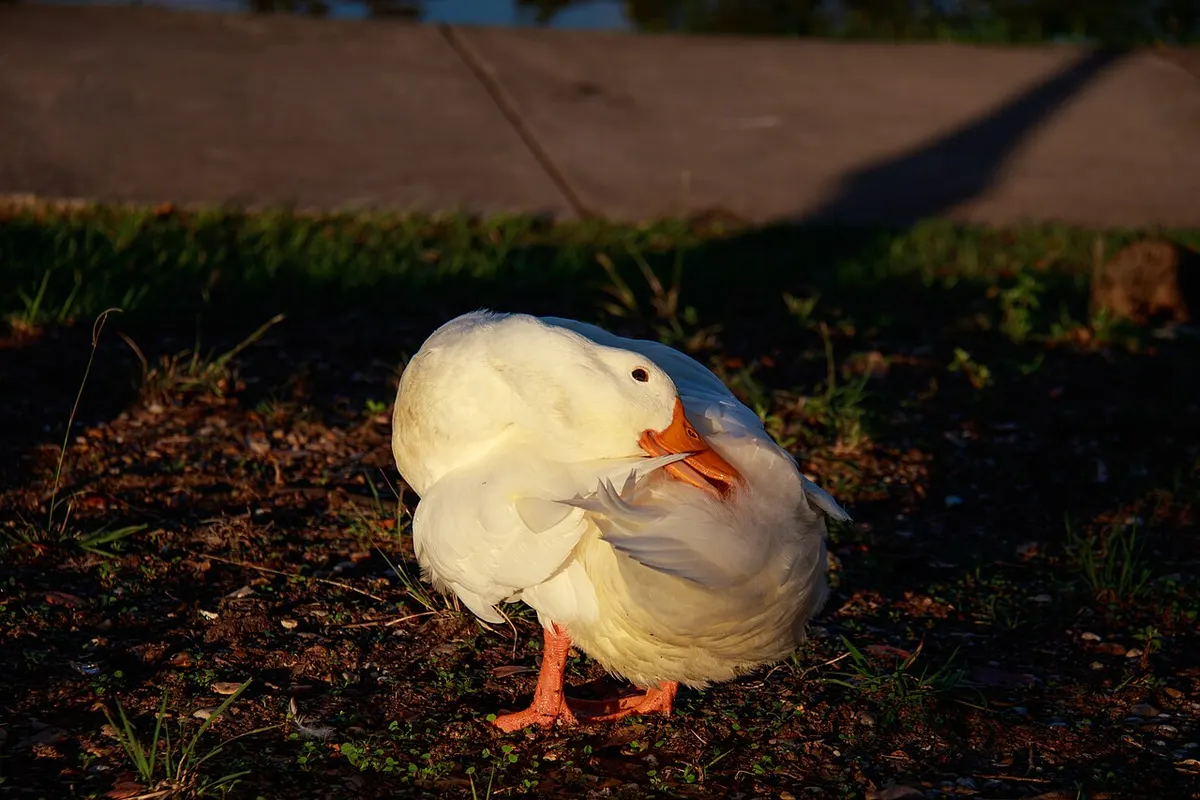
I get this comparison question almost as often as the “should I get bobwhite or Coturnix” one. Someone has a small yard, wants fresh eggs, and is choosing between quail vs ducks without really knowing what either animal is actually like to live with day to day. They look similar on paper: both are small-ish backyard birds, both lay edible eggs, both show up in the same homesteading forums. In practice they could not be more different animals to keep.
I raise Coturnix quail. I don’t raise ducks, but I’ve helped a neighbor set up her small Khaki Campbell flock and spent enough time around both birds to know exactly where this comparison gets decided, usually before anyone even gets to the eggs. It comes down to water, noise, and space, in that order, and ducks lose at least two of those three if your yard is small.
The short version, if you’re in a hurry
Quail are the better fit for almost any backyard under half an acre. They need about 1 square foot of cage space per bird, drink from a cup or nipple waterer, stay quiet enough that hens are nearly silent, and start laying at 6 to 8 weeks old. A small covey fits in a converted closet organizer and costs under $150 to start.
Ducks need real room, real water, and tolerance for genuine noise and mess. A laying duck wants 4 to 6 square feet of covered housing plus a bathing pool, drinks and splashes through roughly ten times the water a quail does, and female ducks quack loudly enough that neighbors notice. If you have the space and don’t mind the upkeep, ducks are a charming, hardy bird that lays a bigger, richer egg. If you don’t, quail will get you eggs with a fraction of the footprint and complaint risk.
Space: this is where the comparison usually ends
Quail are built for cramped quarters. Our own cage size guide covers the full breakdown, but the short version is 1 square foot per bird in a cage, 2 square feet in a ground pen. Six quail hens live comfortably in a cage the size of a large rabbit hutch, something that fits on an apartment balcony or in a garage corner.
Ducks need noticeably more. Cornell University’s Duck Research Laboratory recommends roughly 3 square feet of covered housing per adult laying duck, and warns that overcrowding ducks is “extremely detrimental” to their health, not just their comfort. Industry guidance from commercial hatcheries puts mature ducks at 4 to 6 square feet of enclosed housing plus a separate outdoor run on top of that, since ducks don’t tolerate confinement to the coop floor the way a quail tolerates a wire cage. Multiply that out for a flock of six and you’re looking at a duck house and run the size of a small chicken coop, not a hutch you can tuck against a fence.
Water and mess: the difference nobody warns you about
This is the part that surprises first-time duck keepers the most, including the neighbor I mentioned earlier. Quail need drinking water only, a small cup or nipple waterer that a keeper refills once a day. Ducks need both drinking water and bathing water, and they will use whatever water is available for both, which means a water dish doubles as a toilet within hours if it isn’t deep enough to keep them from standing in it.
Ducks also drink and excrete dramatically more water than a bird their size would suggest. Cornell notes that ducks “drink and excrete more water than chickens or turkeys,” and duck droppings run over 90 percent moisture, which is why duck bedding turns to sludge so much faster than quail bedding does. A quail eating 20 to 25 grams of feed a day produces a dry, manageable dropping that composts easily. A duck’s wet output means daily pool changes, more frequent bedding swaps, and drainage planning that a quail setup simply does not need.
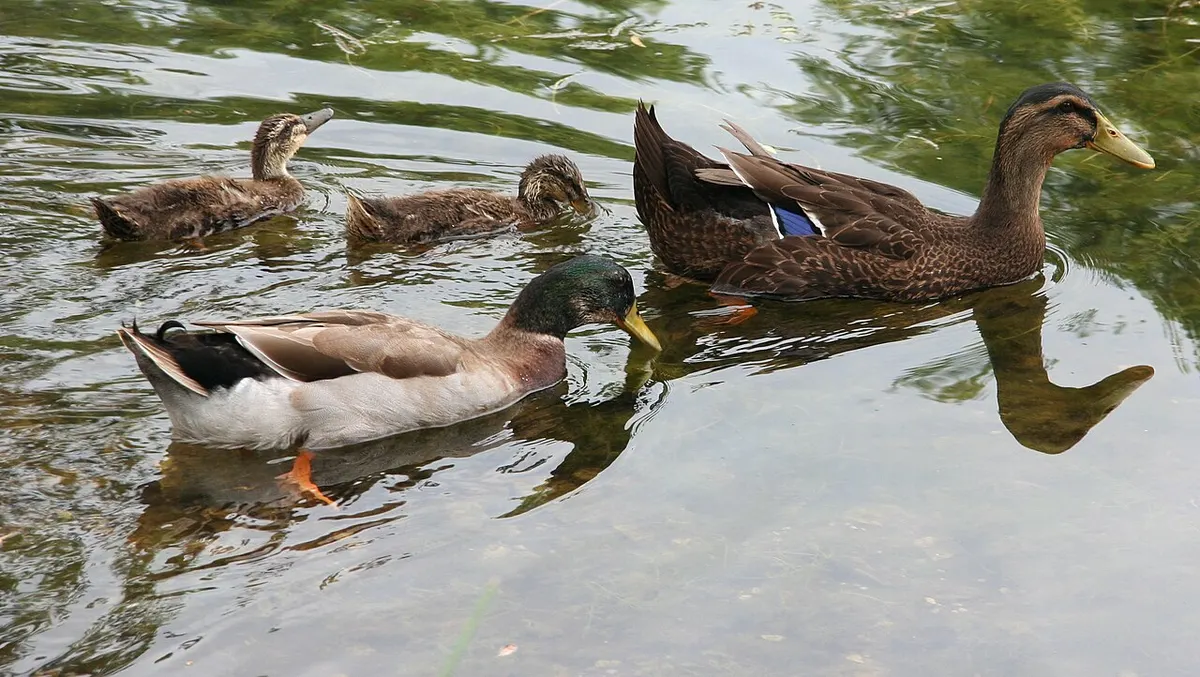
If you’ve read our guide to quail bedding, you already know how fast ammonia builds up in a dry cage that isn’t cleaned often enough. Now imagine that bedding soaked daily by a splashing pool, and you understand why duck keepers clean far more often than quail keepers do.
Noise: quiet chirps versus a bird that is loud by design
Our how loud are quail guide covers this in detail for Coturnix specifically: hens run around 40 to 50 decibels of soft contact chirping, and even a crowing male tops out around 60 to 70 decibels in a short burst. An all-hen covey is close to silent.
Female ducks are the opposite case. Quacking is a genuine, carrying vocalization, not a soft contact call, and it isn’t limited to males the way crowing is in quail. It’s loud enough that it has actually gone to court. In 2019 a French farmer named Dominique Douthe was sued by a neighbor over the noise from roughly 60 of his ducks and geese, and a court in Dax ruled the noise fell “within acceptable limits,” letting the birds stay. Douthe’s own comment after the ruling was blunt: “I’m very happy because I didn’t want to slaughter my ducks.” That case made international news specifically because duck noise complaints are common enough to end up in court, something that essentially never happens with quail.
This noise difference also shows up in city ordinances. A number of municipalities that explicitly allow backyard chickens carve out ducks and other waterfowl separately, sometimes requiring a larger minimum lot size for them specifically. Our guide to checking if quail are legal in your city walks through how to read your local code either way, but the pattern worth knowing going in is that “poultry allowed” does not automatically mean “ducks allowed.”
Eggs: bigger per egg, but fewer eggs per bird per year
Duck eggs win on size. A duck egg runs 65 to 90 grams, roughly six to seven times the weight of a 9 to 14 gram quail egg, with a rich yolk bakers specifically seek out for custards and pastries. See our quail eggs vs chicken eggs comparison for how quail eggs stack up against the more familiar hen egg if size is your main question.
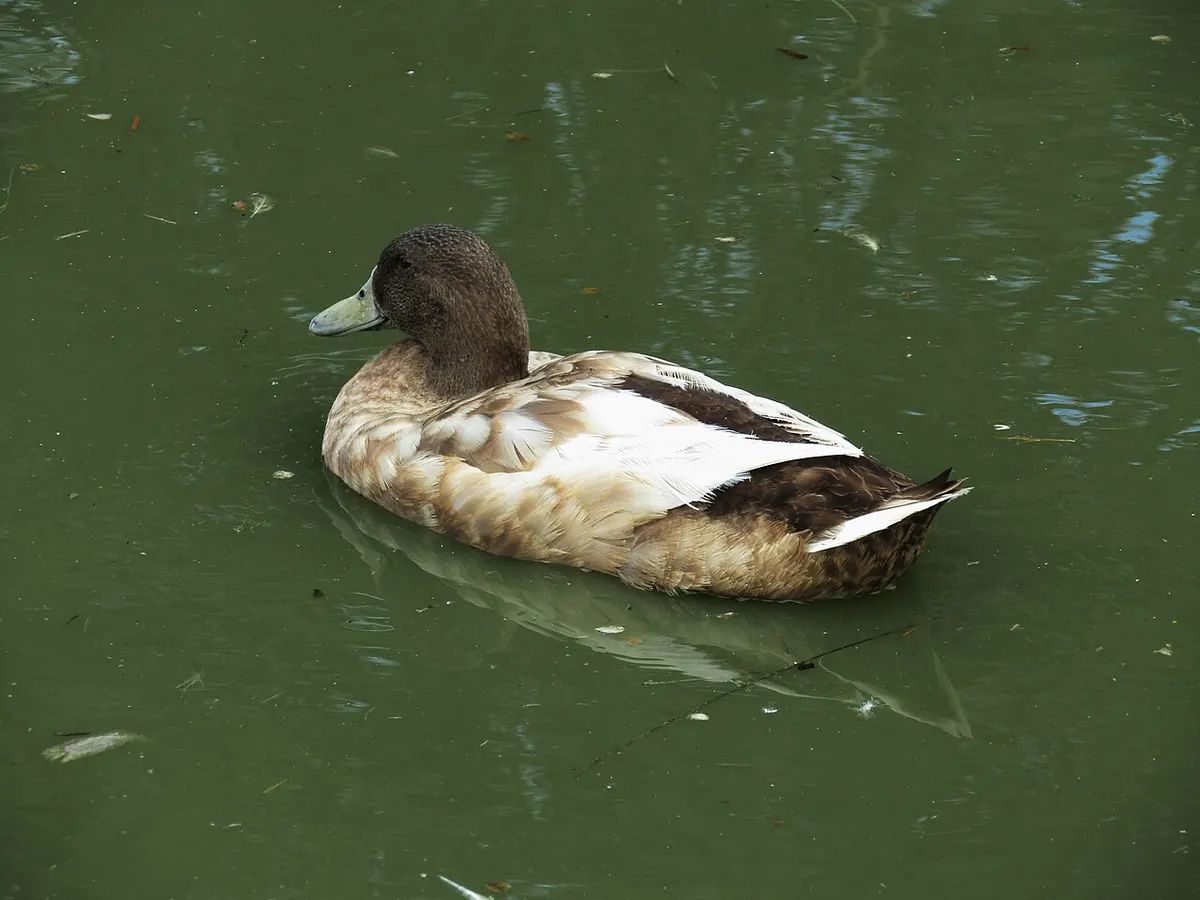
Production rates land closer than the size gap suggests. A good laying duck breed like Khaki Campbell can put out 250 to 340 eggs a year, which is actually competitive with a Coturnix hen’s 200 to 300. The real production gap is timing. Quail start laying at 6 to 8 weeks old. Ducks don’t start until around 18 to 20 weeks, more than four times as long a wait for your first egg.
Cost and lifespan
Quail are the cheaper bird to start and the cheaper bird to feed. Our full cost breakdown puts a six-bird startup around $130 and ongoing feed at roughly $3 per bird per month, since an adult quail eats only 20 to 25 grams of feed a day. Ducks eat closer to 150 to 200 grams a day, roughly seven to eight times as much, and a larger housing and water setup pushes a comparable duck startup to several hundred dollars before you’ve bought a single bird.
Ducks do pay some of that back in lifespan. A Coturnix hen lays well for about 2 to 3 years before production tapers off. A healthy duck can live 8 to 12 years, so a duck flock is a longer-term investment that keeps producing (at a slower, more seasonal rate as she ages) long after a quail hen’s working life is over.
Incubation, if you plan to hatch
If you’re hatching either bird yourself, the gap in incubation time matters for planning. Quail eggs hatch in 17 to 18 days. Duck eggs take 28 days, a week and a half longer, with different humidity needs partway through the incubation that a setting built around quail defaults won’t get right by accident.
 Nurture Right 360 Incubator. A 22-egg capacity incubator with auto-turning and humidity control, flexible enough to run a tray of quail eggs on one setting and switch to duck eggs on the next hatch without buying separate equipment.
Whichever species you hatch, the chicks need supplemental heat in the brooder for the first few weeks, and ducklings are just as vulnerable to a poorly regulated heat source as quail chicks are.
 RentACoop 12x12" Adjustable Heating Plate. A radiant plate brooder instead of an open heat lamp, safer around the wet bedding ducklings tend to create and adjustable in height as either quail chicks or ducklings grow.
Quail vs ducks: side-by-side comparison
| Coturnix Quail | Laying Duck (e.g. Khaki Campbell) | |
|---|---|---|
| Space per bird | ~1 sq ft in a cage | ~3 to 6 sq ft covered, plus a run |
| Water needs | Drinking water only | Drinking plus full bathing water |
| Noise | Hens near silent, ~40 to 50 dB | Loud quacking, carries across a yard |
| Start laying | 6 to 8 weeks | 18 to 20 weeks |
| Eggs per year | ~200 to 300 | ~250 to 340 |
| Egg size | 9 to 14 g | 65 to 90 g |
| Daily feed | 20 to 25 g | 150 to 200 g |
| Lifespan | 2 to 3 years of peak laying | 8 to 12 years |
| Incubation | 17 to 18 days | 28 days |
| Startup cost (6 birds) | About $130 | Several hundred dollars |
| Mess level | Dry droppings, easy to manage | Wet, frequent pool and bedding changes |
The quick answers
- Quail need about 1 square foot of cage space per bird. Ducks need roughly 3 to 6 square feet of covered housing plus a bathing pool.
- Ducks drink and excrete far more water than quail, and duck droppings run over 90 percent moisture, which makes duck bedding wetter and messier.
- Quail hens are nearly silent. Female ducks quack loudly enough that noise complaints and even lawsuits over duck quacking have happened.
- Quail start laying at 6 to 8 weeks old. Ducks don’t typically start until 18 to 20 weeks.
- A good laying duck breed can produce 250 to 340 eggs a year, close to or above a Coturnix hen’s 200 to 300, but a duck egg takes far longer to arrive.
- Quail eat 20 to 25 grams of feed a day. Ducks eat roughly 150 to 200 grams, six to eight times as much.
- Ducks live 8 to 12 years versus 2 to 3 years of peak laying for a quail hen, a longer-term bird if you have the space.
- Many cities that allow backyard chickens regulate or exclude ducks and other waterfowl separately, so check your local code for both birds before assuming one clears you for the other.
If small space, quiet neighbors, and a low startup cost matter more to you than egg size, quail vs ducks isn’t a close call. Quail win on every practical constraint a small backyard actually has. Ducks are the right choice if you’ve got room for a real run and a pool, want a bigger, richer egg, and don’t mind a louder, wetter bird that’s going to be part of your yard for a decade or more.
Related reading: our full quail cost breakdown, the quail cage size guide for exact dimensions by flock size, and how loud quail actually are if noise is the deciding factor for your property.
For the university research behind the duck housing and water numbers in this guide, Cornell’s Duck Research Laboratory housing and management guide is the most detailed source I found, and The Poultry Site’s coverage of the French court ruling on duck noise is worth a read if you want the full story behind that noise anecdote.