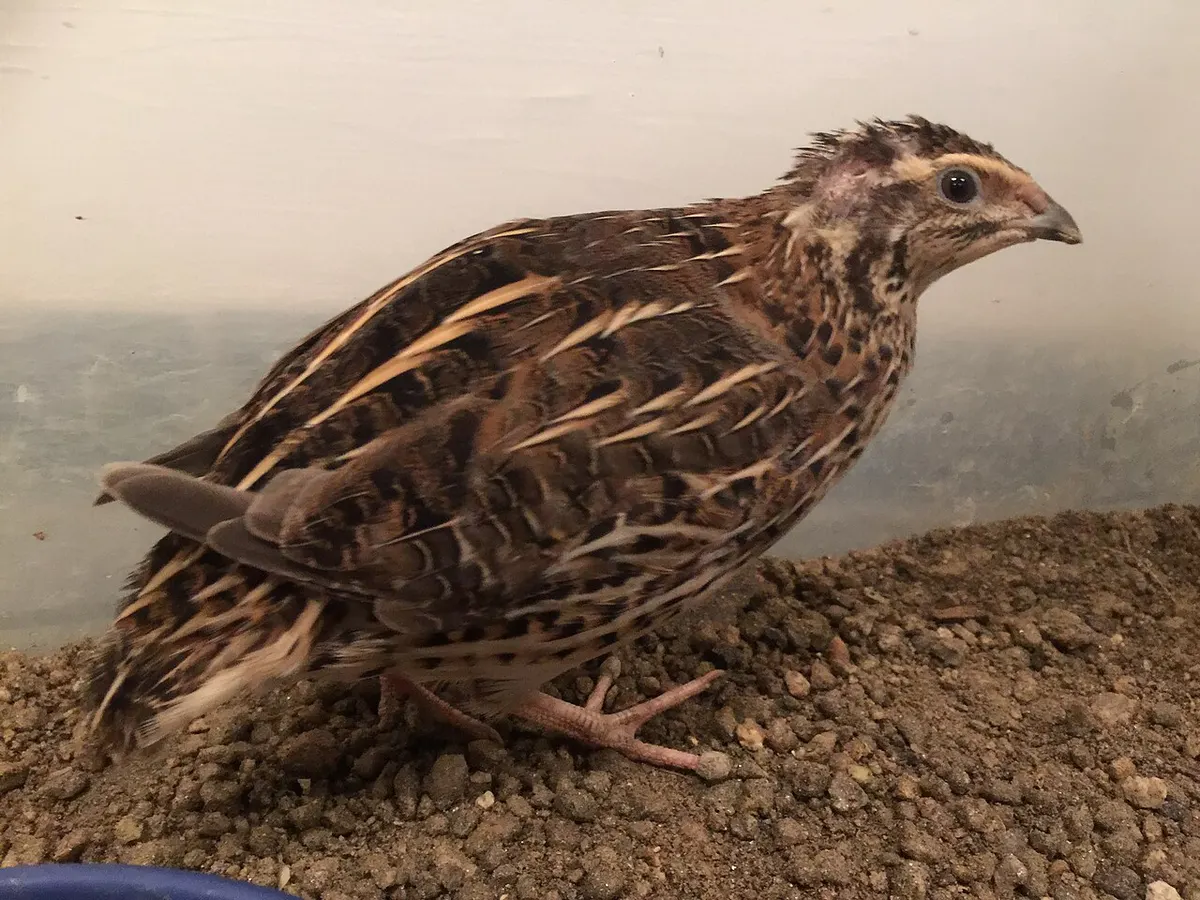
The first time I tried to “breed” my quail on purpose, I just put a rooster in with six hens and called it a program. Eggs hatched, so I figured I was doing it right. Three generations later I had smaller birds, patchier fertility, and no idea which hen was related to which rooster. That’s when I actually started reading about how breeding coturnix quail works instead of just letting it happen, and it changed everything about how I run my cages now.
This isn’t a guide to getting fertile eggs. You already know how to do that if you’re keeping a rooster with hens at the right ratio. This is about what happens generation three, five, and ten, when the choices you make start compounding, for better or worse.
Line breeding versus just letting them breed
“Line breeding” sounds technical, but it’s a simple idea: you deliberately keep a bloodline intact by breeding related birds back toward a specific ancestor, like a son to his mother or a father to his daughters. You do this when you have a bird with a trait worth keeping, bigger body size, a clean color pattern, calmer temperament, and you want to lock that trait in rather than dilute it with outside birds.
The alternative most backyard keepers fall into by accident is random pairing: whatever rooster is in the cage breeds whatever hens are in there, generation after generation, with no tracking. That isn’t line breeding, it’s just breeding related birds blind, and it’s where fertility and size problems creep in without you noticing why.
A third approach splits the difference: start with two separate, unrelated lines of the same color or variety, ideally from two different breeders so they aren’t secretly related. Cross Line A males with Line B females, and Line B males with Line A females. The resulting offspring often outperform both parent lines, a real effect called hybrid vigor, and because quail mature in weeks rather than months, you’ll see it play out faster than with almost any other backyard livestock.
How many generations before you need new blood
This is the question every breeder eventually asks, and the honest answer is that it depends on how closely you’re pairing birds, not just how many generations have passed. Research on inbreeding in Japanese quail found that it depresses body weight, strongest through the mother’s side, hitting hardest in day-old chicks and fading out by the time birds approach five weeks old. Full-sibling matings actually showed less depression than slower inbreeding paths like double first-cousin pairings, because the parents in those slower lines carried more accumulated inbreeding themselves by the time you measure the offspring.
In practice, a single close pairing won’t wreck your flock, but letting the same handful of birds recombine generation after generation will, and the damage shows up gradually rather than all at once, which is exactly why it catches people off guard.
Working breeders who run lines for size or color typically bring in new, unrelated stock every few generations rather than waiting for problems to show up. One well-documented Jumbo Pharaoh line is now past its 40th generation specifically because the breeder kept adding new blood with the traits they wanted, rather than closing the line and hoping. For a backyard setup without that level of record keeping, a simpler rule works: rotate in at least one unrelated bird with the traits you want every 3 to 5 generations, and never breed birds from the exact same clutch across more than one generation in a row.
| Generations on the same closed line | What you’ll typically see |
|---|---|
| 1 to 2 | Little to no visible change, fertility normal |
| 3 to 5 | Fertility starts drifting, clutch size may dip |
| 6 or more, no new blood | Smaller body size, inconsistent hatch rates, more weak chicks |
 GQF Sportsman 1502 Digital Cabinet Incubator. Once you're running two or three lines side by side, a single tray incubator stops being enough. A cabinet incubator like this one lets you hatch separate pens' eggs in the same run while keeping them tracked by position, which matters a lot more once you're labeling by line instead of just "my quail eggs." See our full cabinet incubator guide before buying if you're not sure you've outgrown a tabletop unit yet.
The celadon gene: how blue eggs actually get passed on
Celadon trips up more new breeders than anything else in this hobby, mostly because people treat it like a color variety when it isn’t one. Celadon is a single recessive gene, sometimes labeled “ce,” that controls egg color rather than feather color. A hen needs two copies of it, one from each parent, to lay the pale blue, seafoam, or robin’s-egg green eggs the trait is known for. A hen with only one copy looks and lays exactly like a normal hen, she’s a carrier, and you can’t tell by looking at her or her eggs.
Because it’s a simple recessive trait and not sex-linked, the math works the same way it would for any basic Mendelian trait you learned about in a biology class, just applied to egg color instead of eye color:
| Cross | Expected result |
|---|---|
| Celadon (two copies) x Celadon (two copies) | All daughters lay celadon eggs |
| Celadon (two copies) x non-carrier | All offspring are carriers, no celadon eggs this generation |
| Carrier x carrier | Roughly 1 in 4 daughters lay celadon eggs, the rest are carriers or non-carriers |
| Celadon (two copies) x carrier | About half of daughters lay celadon eggs |
That carrier x carrier row is the one that burns people. You can breed two completely normal-looking, normal-egg-laying birds and still get a celadon-laying daughter in the mix, which is exactly how “mystery” blue eggs show up in flocks where nobody bought celadon stock on purpose. If you want celadon eggs reliably, buy birds already confirmed celadon, not birds that merely “might carry it,” and expect the trait to show up only in the hens, since egg color is only ever observed in layers.
Celadon also stacks on top of almost any plumage color. A celadon hen can be Pharaoh, Tuxedo, Silver, or any of the other coturnix quail colors, because the egg-color gene and the feather-color genes are inherited independently of each other.
Setting up pens so you don’t lose track of lines
None of this works if you can’t tell which bird came from which pairing six weeks later. Keep each line or cross in its own labeled cage, not mixed in a shared pen, from the day you set up the pairing. Mark eggs with the pen number in pencil as you collect them, since quail don’t nest and eggs from different pens look identical in a shared basket. Use colored zip ties on legs, one color per generation or per line, so a bird’s history is visible at a glance instead of buried in a notebook.
Stick to a workable male to female ratio inside each breeding pen (1 male to 4 hens is the range most keepers land on for Coturnix), since an off ratio will tank fertility regardless of how carefully you tracked the genetics. And write down each pairing’s goal before you set it up, bigger eggs, a specific color, calmer birds, so you’re selecting toward something instead of just hatching whatever shows up.
 Harris Farms Nurture Right 360 Egg Incubator. If you're keeping two or three small pairings separate rather than running a full cabinet setup, a second tabletop incubator dedicated to just one line keeps that line's eggs from ever touching another pen's tray. Cheap insurance against mixing up which chicks came from which pairing.
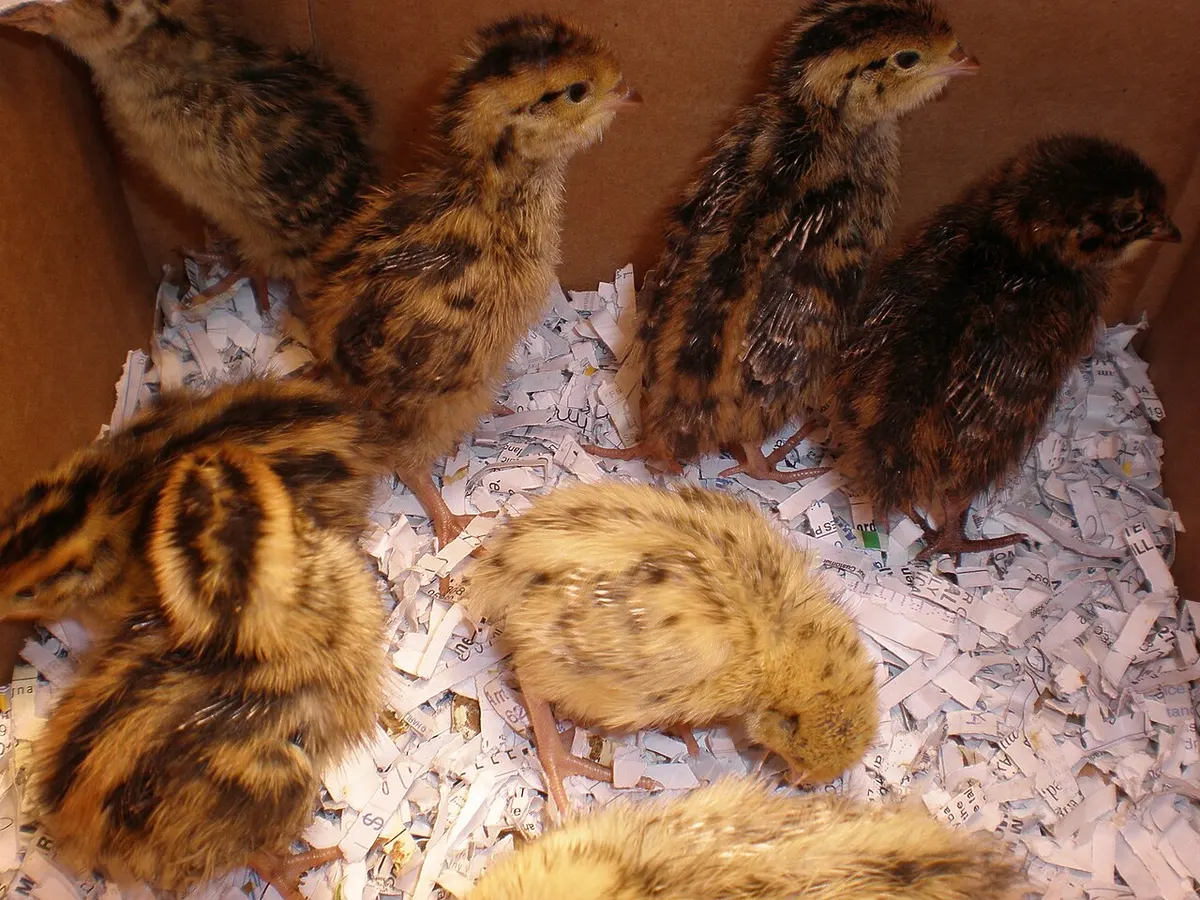
Chick down color is often your first readable clue about a pairing before adult plumage settles in around 6 to 8 weeks. If you’re also sexing chicks early with a dark-light cross, keep in mind that sex-linked crosses like Roux-to-Pharaoh only work cleanly in that first generation. The offspring themselves won’t breed true for sexing the same way, so don’t plan a whole program around it past one hatch.
Selecting and culling toward something
Once eggs are hatching reliably, the next decision is which birds you actually keep for the next round. Weight benchmarks beat eyeballing: a healthy Coturnix chick should be in the neighborhood of 120 grams at 21 days, 200 grams at 28 days, and 275 grams at 42 days if you’re selecting for size. Birds that fall well short of those marks, or that show poor feathering, aggression toward cagemates, or small egg size once they start laying, are the ones to move out of the breeding rotation rather than keep “just in case.”
Temperament matters more than people expect going in. A docile line is far easier to manage at every later stage, handling, sexing, treating an injury, than a flighty or aggressive one, and it’s a trait you can select for just as deliberately as size or color. If aggression becomes a recurring problem despite a correct ratio, read our guide on quail aggression and scalping before assuming it’s just “how roosters are.” Sometimes it’s the ratio, sometimes it’s the individual bird, and the fix differs depending on which one it is.
Checking your work with candling
However careful your pairings are, candling is still how you confirm fertility is actually translating into developing embryos rather than just clear eggs sitting in a tray for three weeks. If a specific pairing is consistently producing clears while others in the same incubator run develop fine, that’s a strong signal the problem is that pairing specifically, a male with low fertility, hens laid off cycle, rather than your incubator settings. Our day-by-day candling guide walks through what you should actually be seeing at each stage.
The quick answers
Line breeding mates related birds deliberately to preserve a trait. A two-line cross pairs unrelated birds from two sources for hybrid vigor instead.
Inbreeding depression in Coturnix shows up most through the maternal line and hits hardest in day-old chick weight, fading by around five weeks of age.
A practical backyard rule is to add unrelated breeding stock every 3 to 5 generations rather than closing a line indefinitely.
Celadon is a single recessive gene for egg color, not a feather color variety, and a hen needs two copies of it to lay blue or green eggs.
Carrier x carrier pairings can produce a celadon-laying daughter even when both parents lay ordinary-colored eggs.
Target growth benchmarks for size selection are roughly 120 g at 21 days, 200 g at 28 days, and 275 g at 42 days.
Sex-linked color crosses like Roux x Pharaoh only reliably sex chicks in the first generation of that specific cross.
For more on the health side of a breeding program, Ohio State University’s veterinary extension overview of poultry flock health is a solid non-hobbyist reference, and the inbreeding findings cited above come from the University of Edinburgh’s research archive study on inbreeding and body weight in Japanese quail, worth a read if you want the full data behind the generation table.
If you’re still working out basic hatching mechanics before tackling lines on purpose, start with our guide to incubating quail eggs day by day, and if you need to bring in foundation stock for a new line, see our breakdown of where to buy quail hatching eggs and what to actually pay for them.